Safety Wire Pliers: Your Essential Guide to Secure Fastening
Use safety wire pliers effectively. Explore different types, step-by-step instructions, applications, and care tips for secure fastening.

Welcome to Mechanicaddicts. As an Amazon Associate, we earn from qualifying purchases (at no cost to you) from links found within these pages if you choose to buy something.
If you work in aviation, automotive racing, or any field where fastener security is critical, you've likely encountered safety wire. This twisted metal strand prevents nuts, bolts, and other components from loosening due to vibration. While you can twist safety wire by hand, safety wire pliers make the job faster, more consistent, and far less frustrating.
This guide covers everything you need to know about safety wire pliers, including the different types available, proper use, maintenance tips, and more.
What Are Safety Wire Pliers?
Safety wire pliers are specialized tools, often called safety wire pliers, designed to twist safety wire (also called lock wire) efficiently and uniformly. They feature a unique mechanism that allows you to grip the wire, pull it tight, and create consistent twists with minimal effort. Safety wire pliers typically include a locking mechanism to hold the wire securely during twisting. The result is a professional-grade safety wire installation that meets industry standards.
These pliers are indispensable in industries where component failure could have serious consequences, including aerospace, motorsports, and industrial machinery maintenance.
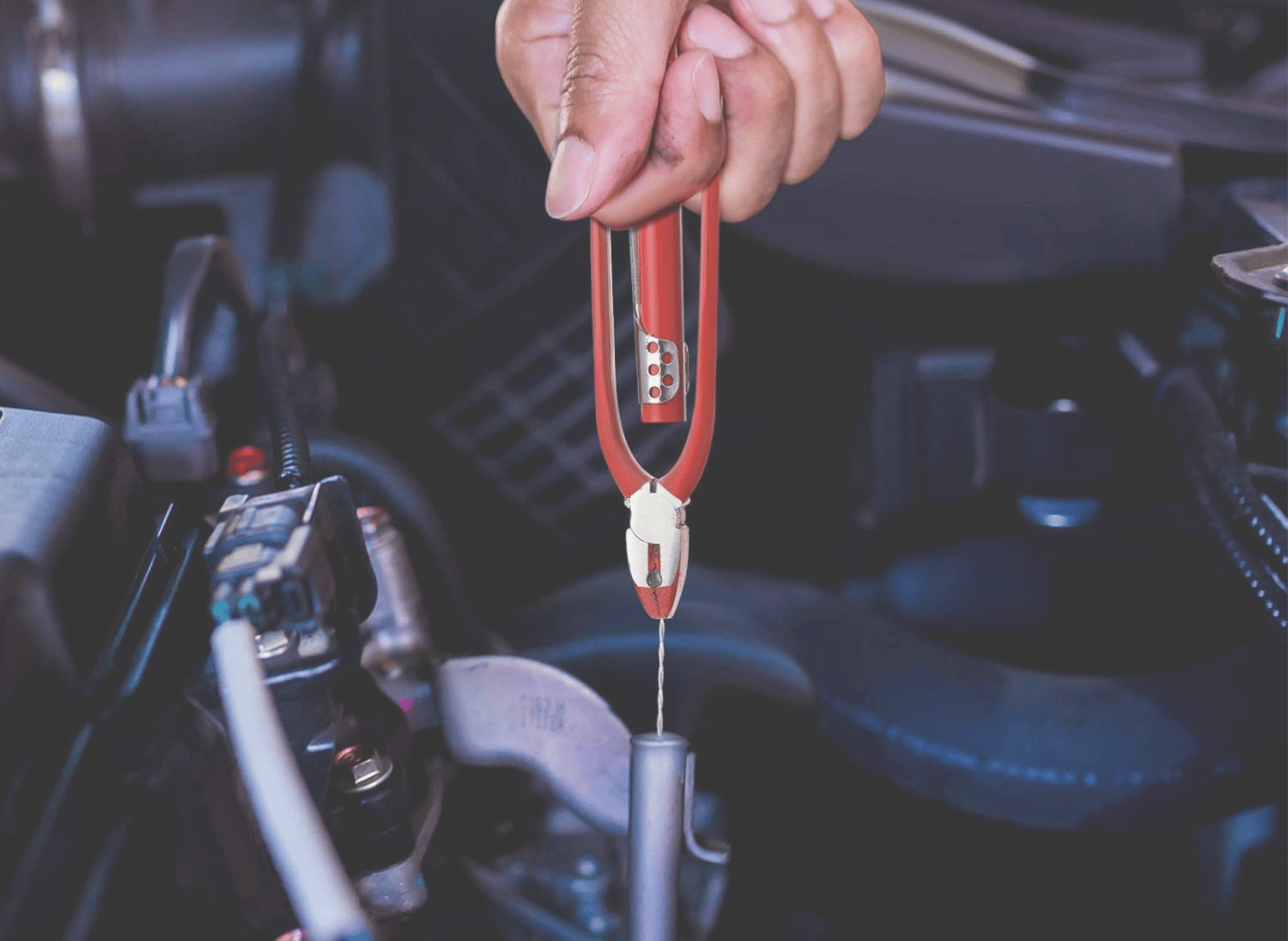
Types of Safety Wire Pliers
Manual Twist Safety Wire Pliers
Manual twist pliers are the most common type. They feature a locking mechanism that grips the wire while you pull the handles to create tension. A quick-release lock allows the wire to twist automatically as the tool spins.
Best for: General aviation maintenance, automotive racing, and light industrial applications.
Automatic Safety Wire Pliers
Automatic wire pliers use an internal spring mechanism to twist the wire when you squeeze and release the handles. They require less manual dexterity and can speed up repetitive tasks.
Best for: High-volume production environments or users who prefer a more automated approach.
Reversible Safety Wire Pliers
Reversible wire pliers let you reverse the twist direction, which can be helpful in specific applications or for correcting mistakes. This feature provides greater flexibility for complex installations.
Best for: Experienced technicians working on varied projects that require different wire orientations.
Our Top Picks
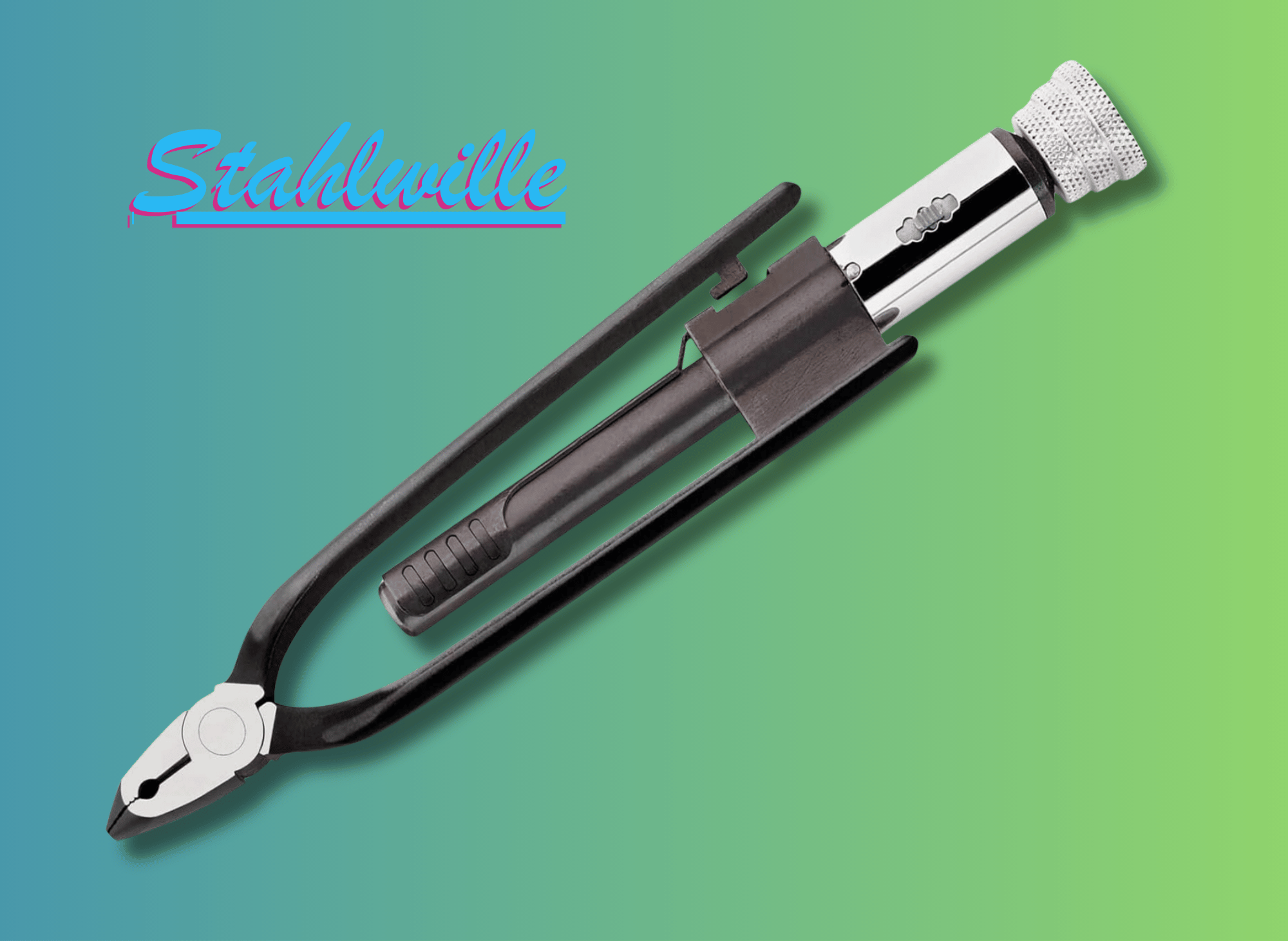
Stahlwille 65751220 Wire Twisting Plier
Made of Chrome Vanadium w/Gunmetal Finish on Head and Handles, w/Side Cutter & Serrated Jaws for Positive Grip, For Wire Locking of Metal Fasteners, L.230 mm
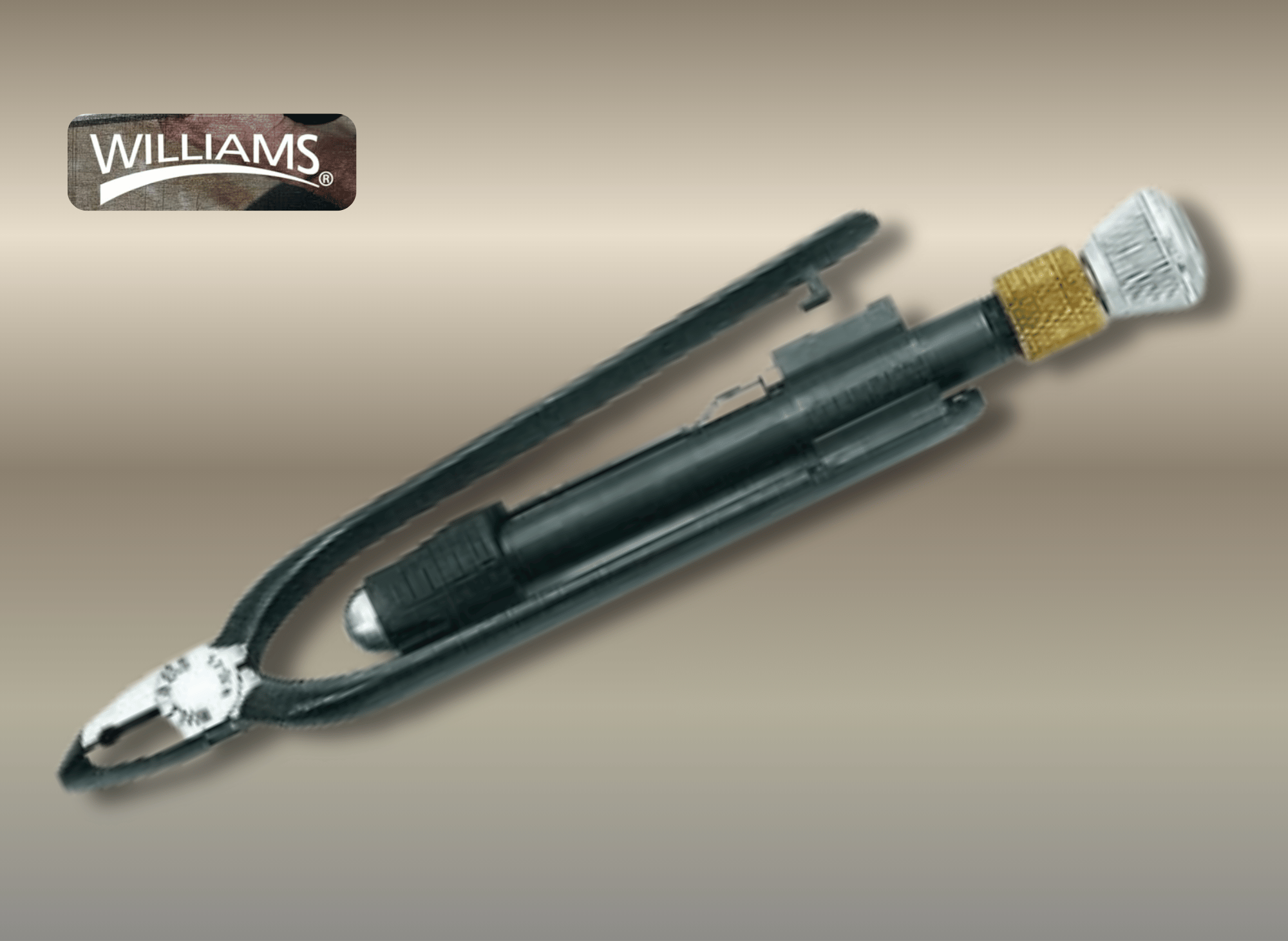
Williams WTC-11 Wire Twister and Cutter
High-carbon alloy steel forgings are used for maximum durability and long life
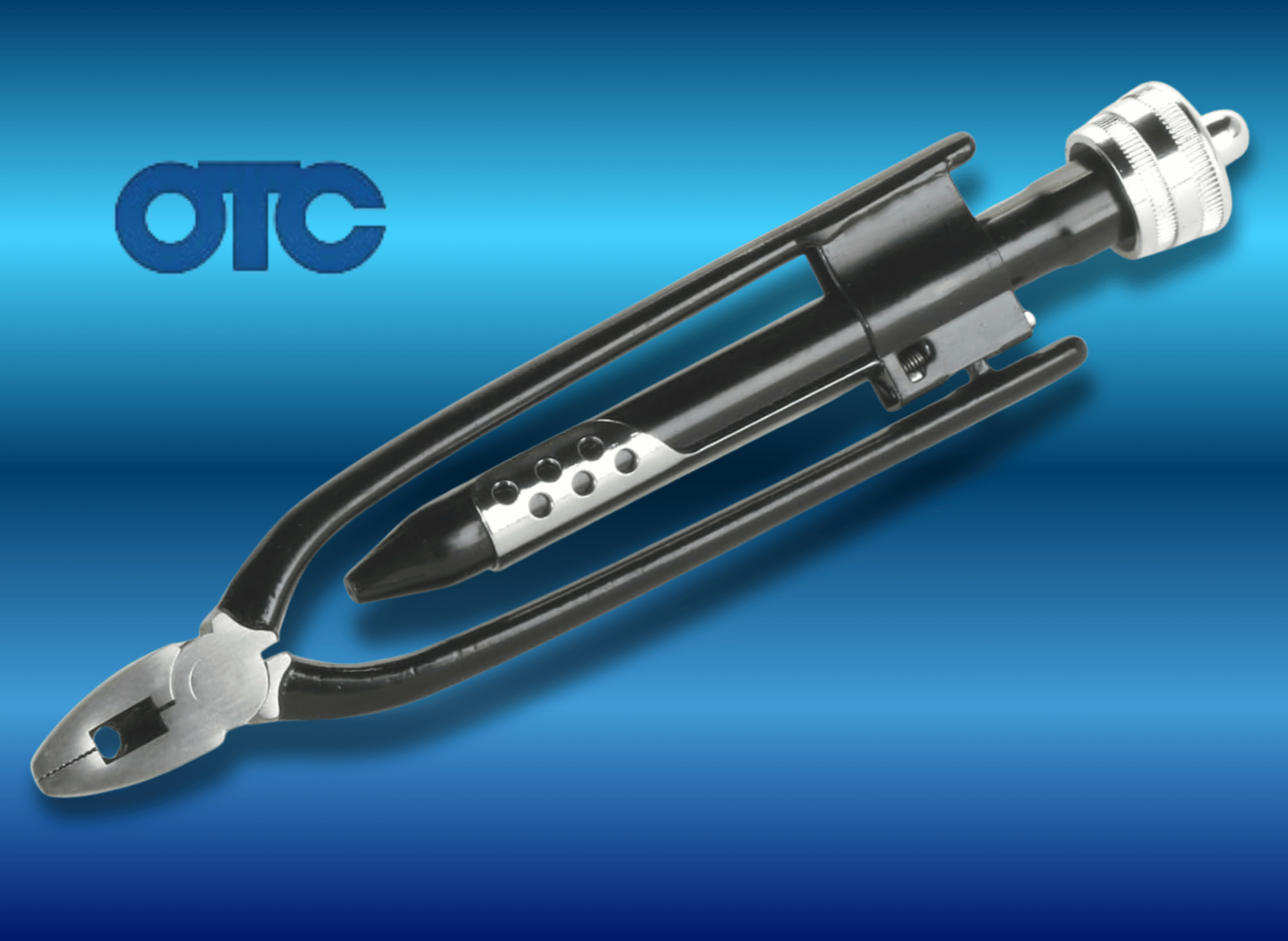
OTC 4795 Safety Wire Twist Pliers
Versatile 8 inch long pliers will reliably twist safety wire rapidly and consistently
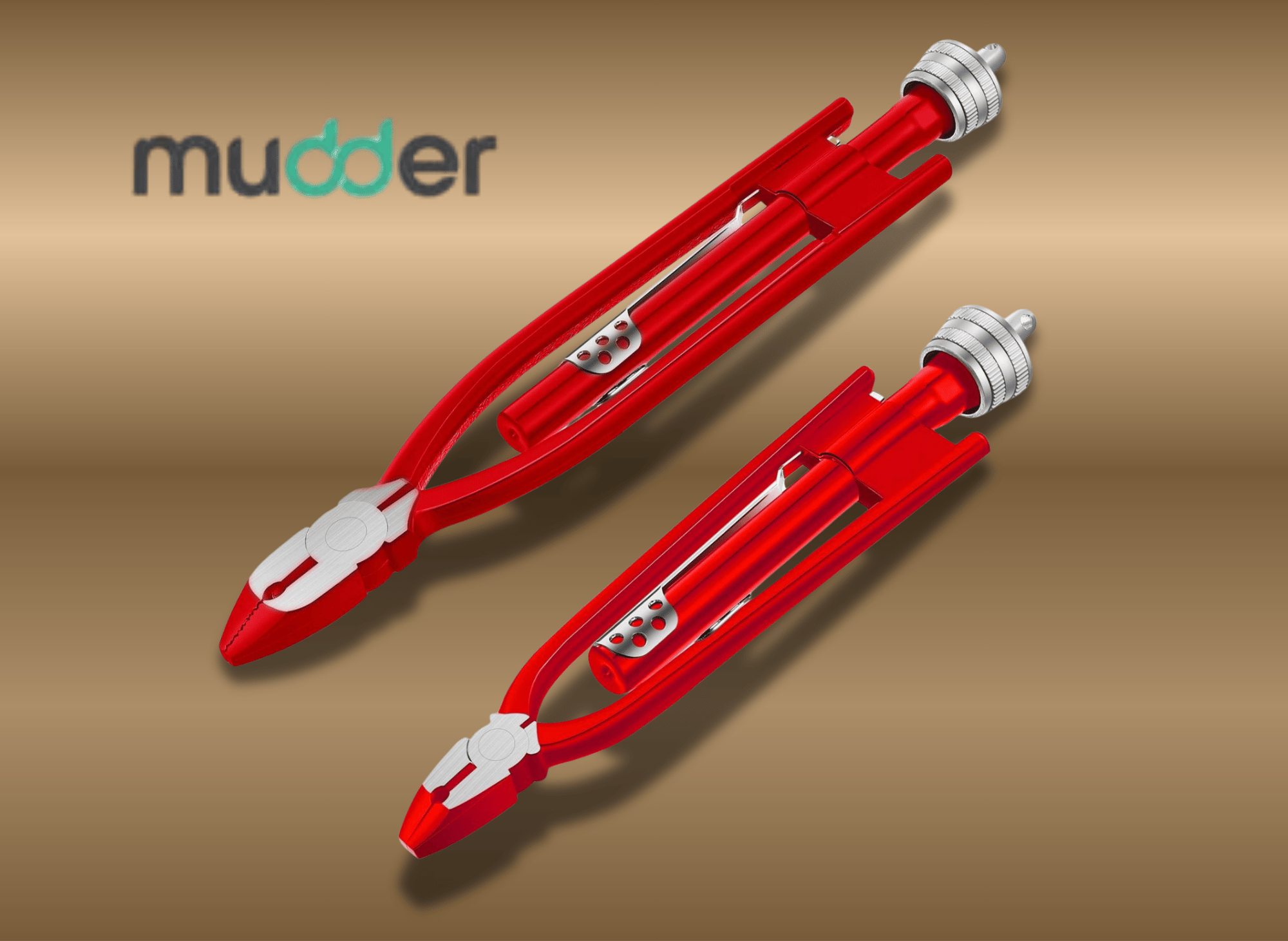
Mudder 2 Pieces Aircraft Safety Wire Twisting Pliers
Wire Twist Pliers 9 Inch 6 Inch for Aircraft Auto Industry(Red)
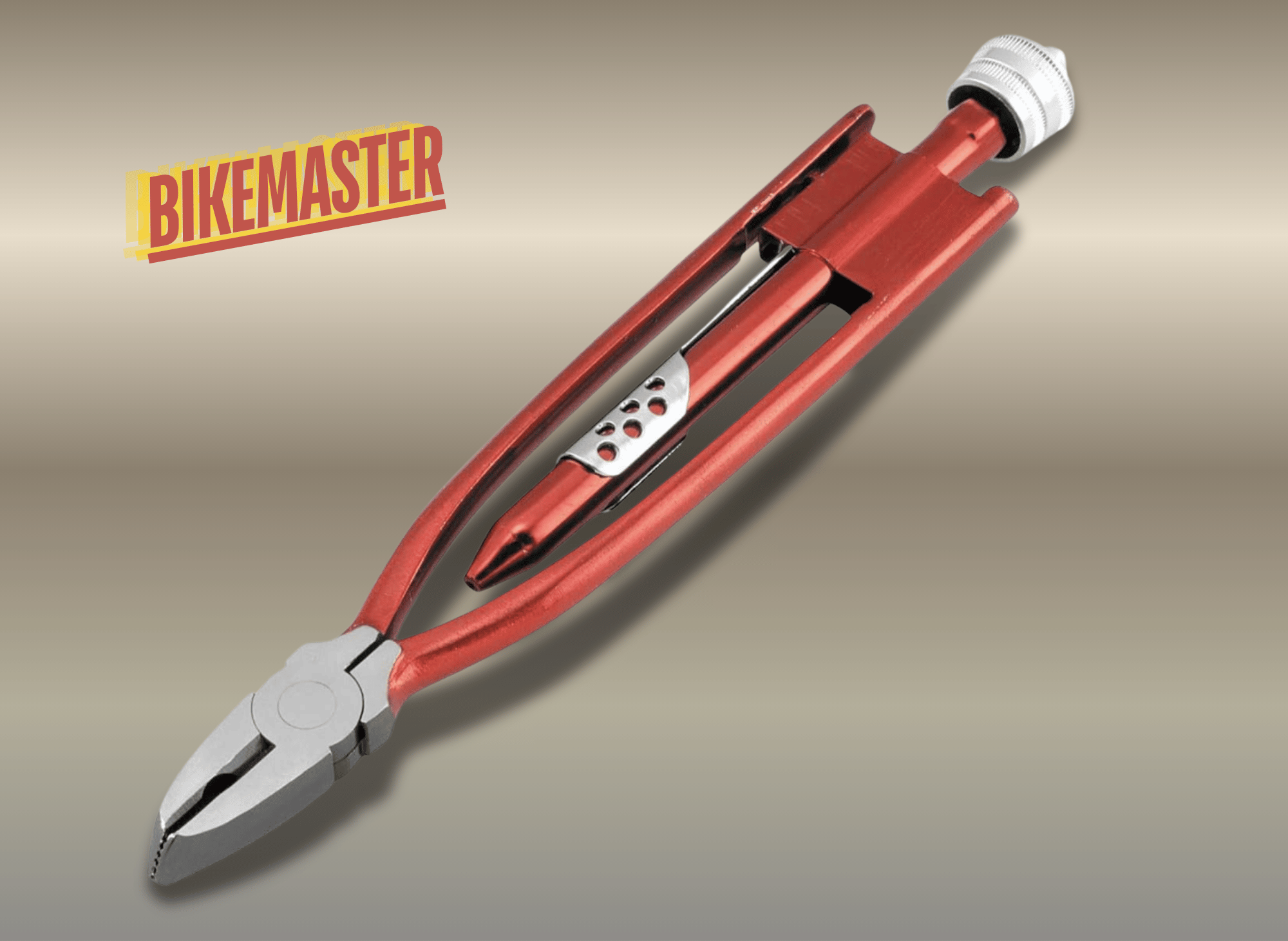
BikeMaster Safety Wire Pliers 9"
9 Pliers With 25 Wire, a more extended version of our standard pliers. Forged Steel, Shot Peened, Ground Clamping Surfaces
How to Use Safety Wire Pliers (Step-by-Step)
Follow these steps to appropriately safety wire a fastener using the correct safety wiring technique:
1. Prepare Your Wire
Cut a length of safety wire approximately three times the distance between the fasteners you’re securing. Selecting the correct wire gauge is essential for the application to ensure proper strength and fit. For a single fastener, you’ll need enough length to complete the required number of twists.
2. Thread the Wire
Pass the wire through the drilled holes in your fasteners. For double-fastener applications, thread through both holes and bring the two wire ends together.
3. Position the Pliers
Open the jaws of your safety wire pliers and insert both wire strands. Close the jaws to grip the wire securely, positioning the pliers about an inch from the fastener.
4. Apply Tension
Pull the pliers away from the fastener to create tension in the wire. Maintain steady pressure throughout the twisting process to ensure a tight, uniform result.
5. Create the Twist
For manual pliers, release the lock mechanism to allow the tool to spin and twist the wire. For automatic pliers, squeeze and release the handles rhythmically. Continue until you achieve 6-8 twists per inch (or as specified by your application requirements).
6. Secure and Trim
Once twisted, wrap the remaining wire around an anchor point or adjacent fastener. Trim any excess wire and bend the cut end away from surfaces or components to prevent snagging or injury.
Applications of Safety Wire Pliers
Safety wire pliers find use across numerous industries:
Aviation and Aerospace: Aircraft maintenance personnel use safety wire to secure critical components, such as engine parts, control systems, and hydraulic fittings. For additional information, the Federal Aviation Administration (FAA) often mandates specific safety wiring procedures.
Automotive Racing: Race teams use safety wire drain plugs, brake calipers, and suspension components to prevent loosening under extreme vibration and G-forces.
Industrial Machinery: Manufacturing facilities use safety wire on equipment where fastener failure could cause costly downtime or safety hazards. Safety wire pliers made from chrome vanadium steel are preferred in these settings for their durability in harsh environments.
Marine Applications: Boat builders and maintenance crews' safety wire components are exposed to constant vibration and harsh saltwater environments.
Maintenance and Care Tips
Proper maintenance extends the life of your safety wire pliers and ensures tool longevity and consistent performance, so continue with these practices :
Clean After Each Use: Wipe down the pliers to remove metal shavings, dirt, and oil. Pay special attention to the jaws and locking mechanism.
Lubricate Moving Parts: Apply a light machine oil to pivot points and the locking mechanism every few uses. Avoid over-lubricating, which can attract debris.
Check for Wear: Inspect the jaws regularly for damage or excessive wear. Worn jaws won’t grip wire properly and should be replaced or repaired.
Store Properly: Keep your pliers in a dry location, ideally in a protective case or tool drawer. Moisture can cause rust and affect the tool’s precision.
Avoid Overloading: Don’t use safety wire pliers on wire gauges they weren’t designed to handle. Forcing a thicker wire can damage the tool’s internal mechanism.
Choosing the Right Tool for Your Needs
Safety wire pliers are invaluable for anyone working with critical fasteners. When choosing safety wire pliers, look for features such as an ergonomic handle to improve comfort and reduce fatigue during extended use.
Safety wire pliers designed for professional use offer enhanced durability and performance for demanding tasks. Whether you’re maintaining aircraft, building race cars, or servicing industrial equipment, these specialized tools deliver consistent, professional results that hand-twisting cannot match.
By understanding the different types available and following proper usage techniques, you’ll master safety wiring and ensure your fasteners stay secure under the most demanding conditions.
Safety Protocols and Industry Standards: Additional information
When it comes to securing fasteners with safety wire, following established safety protocols and industry standards is non-negotiable. In fields like aerospace, automotive, and construction, the reliability of every twist can mean the difference between smooth operation and critical failure. That’s why professionals rely on both proven techniques and high-quality tools—such as wire pliers made from durable materials like chrome vanadium steel—to meet the rigorous demands of their work.
Adhering to industry standards ensures that every safety wire installation is performed to the highest safety and consistency standards. Organizations such as the Federal Aviation Administration (FAA) and the Society of Automotive Engineers (SAE) provide comprehensive guidelines and additional information on proper safety wire practices. These standards cover everything from the correct number of twists per inch to the types of pliers best suited for specific tasks, helping technicians avoid common mistakes and maintain compliance.
Using the proper pliers is just as important as following the correct procedures. Reversible wire pliers, for example, allow for precise control over the direction and uniformity of each twist, which is essential for complex or high-stress applications. By choosing tools designed for professional use and continuing to educate yourself on the latest protocols, you can ensure that your safety wire installations are both secure and up to code.
Ultimately, staying informed about evolving standards and best practices is key to maintaining the integrity of critical systems. For those seeking additional information, industry resources and training programs are invaluable for keeping your skills sharp and your work reliable. By combining the right tools, such as quality safety wire pliers, with a commitment to ongoing learning, you’ll continue to deliver safe, effective, and professional results every time.
Thank you for reading!
Your friend,
Todd
🔧✈️🧰⚙️🪛🛠️✅🔒🧷⏱️
#SafetyWirePliers #SafetyWiring #AviationTools #MechanicLife #Maintenance #ToolTalk #AircraftMaintenance #HandTools #PrecisionWork #ShopEssentials
Amazon Prime offers a wide range of products designed to cater to diverse customer needs, all with the added benefit of fast, reliable delivery. From household essentials and groceries to electronics, clothing, and entertainment, Prime members get access to exclusive deals and discounts across various categories.
Additionally, Prime membership includes access to services like Prime Video for streaming movies and TV shows, Amazon Music for ad-free music, and Prime Reading for eBooks and magazines. This comprehensive suite of benefits makes Amazon Prime a convenient and value-packed option for millions of customers worldwide.
- Prime for you, adult
- Free 30-day trial of Prime
- All of Prime, half the price.
- Prime Video
- Wedding Registry
- Kindle Unlimited
- Amazon Music,
 Todd Bandel
 Todd Bandel
 Todd Bandel
 Todd Bandel
 Todd Bandel