5th Wheel RV Cover: Protect Your Fifth Wheel All Year
Protect your investment with a premium 5th wheel RV cover built for year-round weather resistance, UV protection, and easy installation.

Your 5th wheel is one of your biggest recreational investments, and leaving it exposed to the elements during months of downtime is a fast track to expensive repairs. This guide covers everything you need to know about choosing, installing, and maintaining a 5th wheel RV cover so your rig stays protected season after season.
Quick Answer: Do You Really Need a 5th Wheel RV Cover?
For most 5th wheel owners who store their vehicle outdoors for any extended period, a quality cover is absolutely worth it. The short answer: yes, you need one.
A well-fitted RV cover shields your camper from UV rays, rain, snow, tree sap, bird droppings, and airborne grime during the off-season. That protection directly translates to less fading, fewer roof leaks, and lower maintenance costs over the life of your rig. 5th wheel RV covers protect against UV damage and wind, two of the biggest threats to exterior longevity.
Modern 5th wheel RV covers are engineered with waterproof top panels, breathable side walls, windproof under-body straps, and zippered access panels that let you get into the rig while it's still covered. These aren't your grandfather's tarps.
Covers are especially critical if you store in sun-intense regions like Arizona or Texas, or through harsh winters in states like Minnesota or Colorado. Even moderate climates with frequent freeze-thaw cycles will punish an uncovered roof and a set of seals.
Here's a quick cost comparison that puts the investment in perspective:
- A mid-range 5th wheel RV cover typically costs 250–400, depending on size
- A single repaint or decal replacement for a 35′–40′ fifth wheel can run 2,000–6,000
- A full roof reseal job is often quoted at 1,500–3,000, and roof replacement can exceed 7,000–10,000
The math speaks for itself.
Understanding 5th Wheel RV Covers vs. Other RV Covers
A fifth wheel is a towable RV that extends over the bed of a pickup truck via a kingpin hitch, creating an elevated front cap that's significantly taller than a standard travel trailer. That unique profile means a generic RV cover designed for a Class C motorhome or a conventional trailer will almost never fit properly.
Key differences between 5th wheel RV covers and other RV covers include:
- Shape and front overhang: The high front cap requires extra vertical clearance that travel trailer covers don't provide.
- Height coverage: Fifth wheels often stand 120″ to 132″ tall, while travel trailers are considerably shorter.
- Hitch area: The kingpin section creates a different front profile that standard covers can't accommodate without sagging or bunching.
Typical 5th wheel lengths fall into ranges like 20′–23′, 23′–26′, 29′–33′, 33′–37′, 37′–41′, and 41′–45′ or longer for toy haulers. Always look explicitly for "5th wheel RV cover" or "fifth wheel" in the product title to ensure you're getting the right item for your rig.
Common add-ons included with quality 5th wheel covers are ladder caps, gutter caps, wheel covers, and a storage bag for the cover itself.
We Have Some Top Picks:
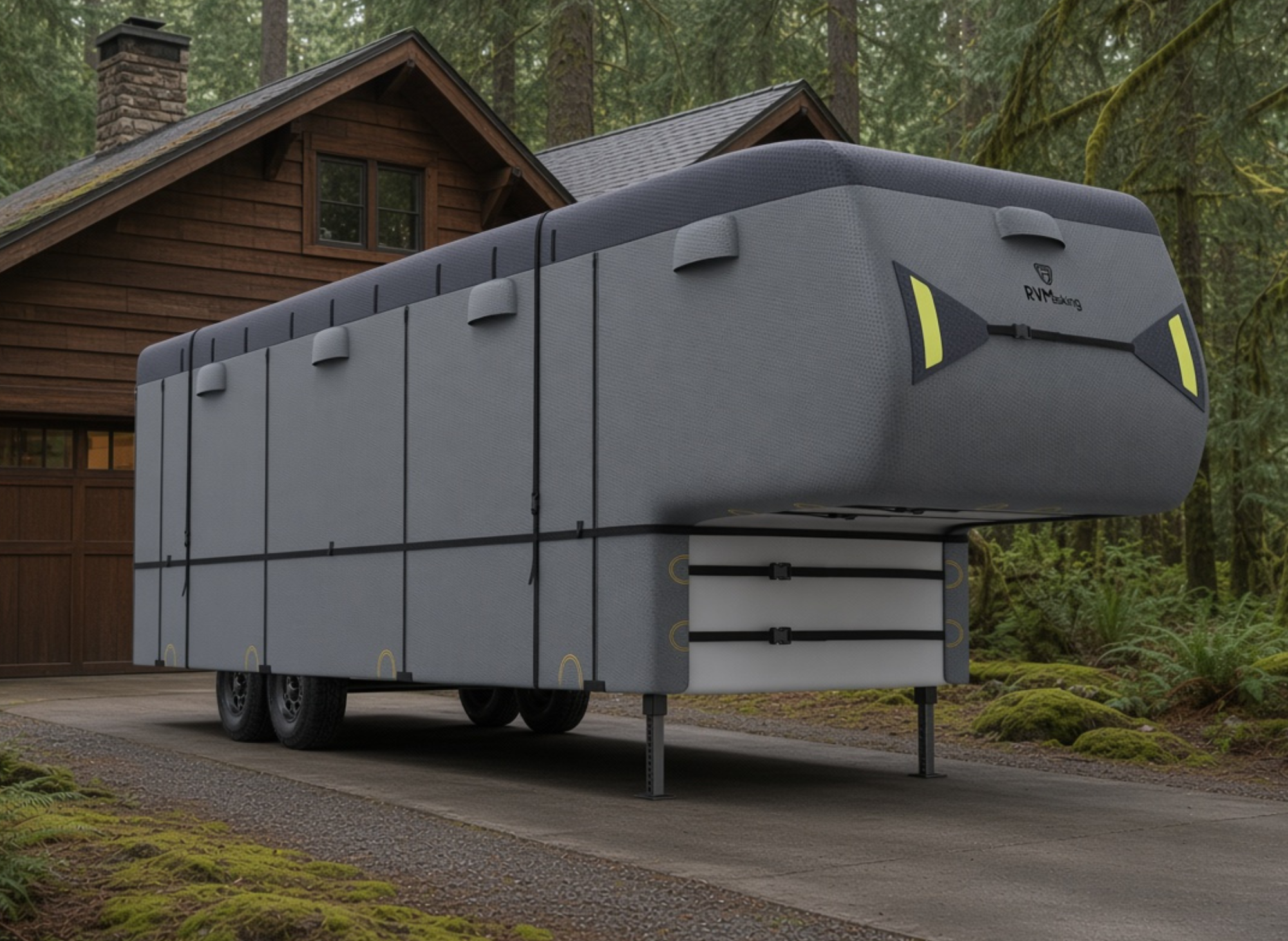
RVMasking 5th Wheel RV Cover, 9 Layers Waterproof Top
Heavy Duty, Windproof, 4 Tire Covers, Rip-Stop, Anti-UV, Fit for Fifth Wheel
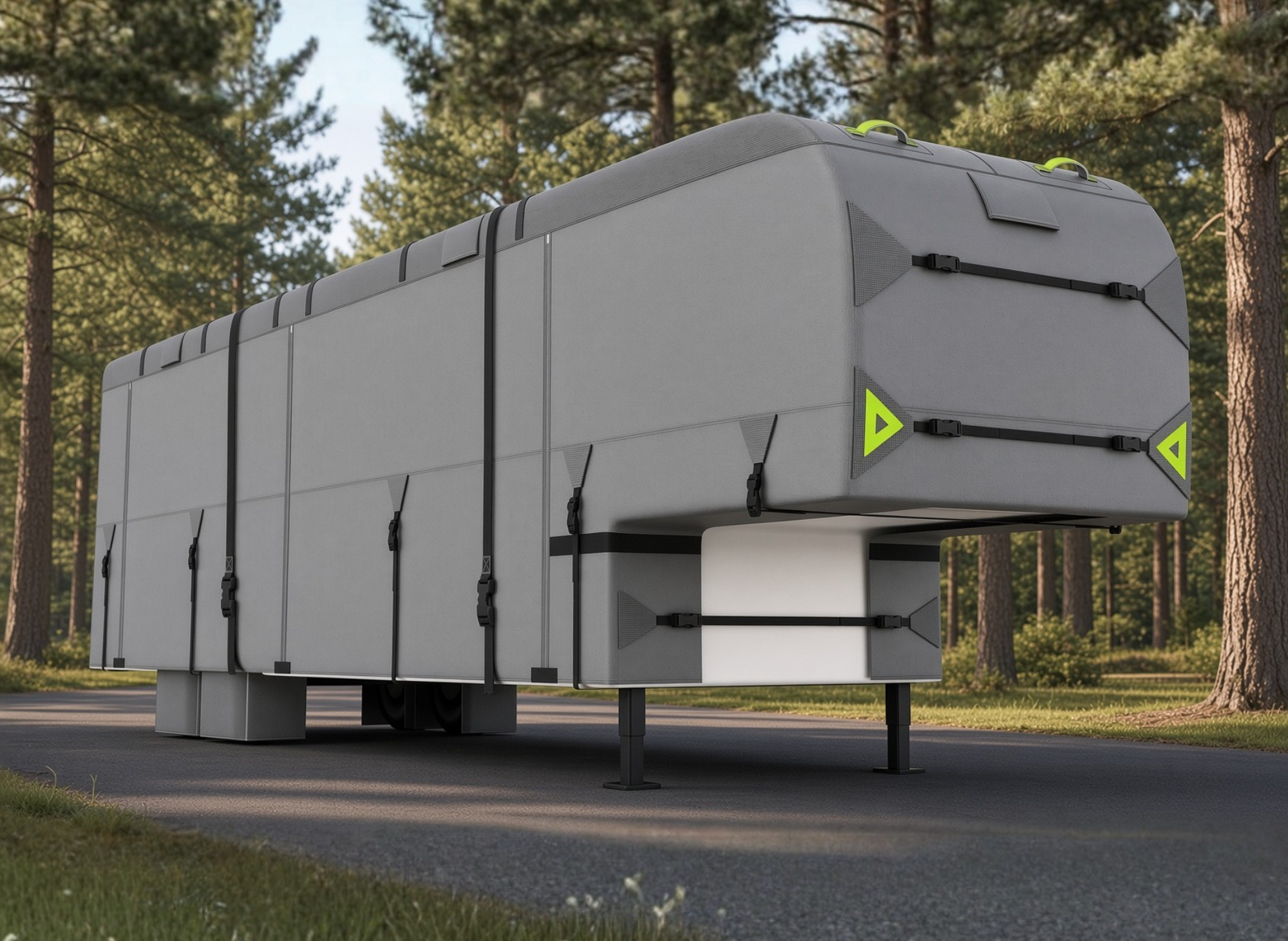
PuroShelt 5th Wheel RV Cover
20- 23 ft, 7 Layers Travel Trailer Cover, Waterproof Camper Cover, Tear Resistant Waterproof Motorhome Fifth Wheel RV Cover
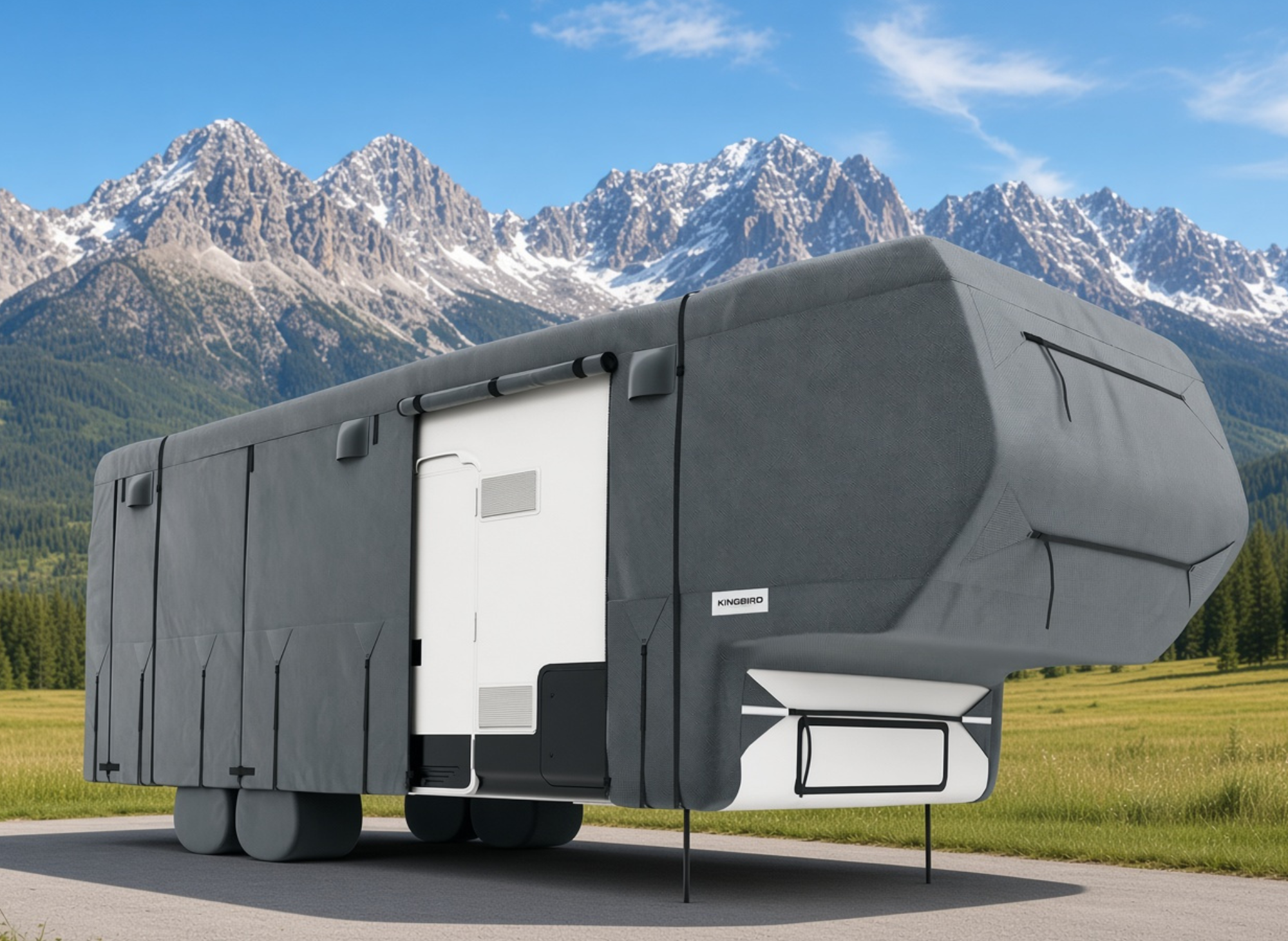
King Bird 5th Wheel RV Cover
Heavy Duty All-Weather Waterproof UV Protection Snow Protection, Includes 4 Tire Covers, Repair Patches, Windproof Straps
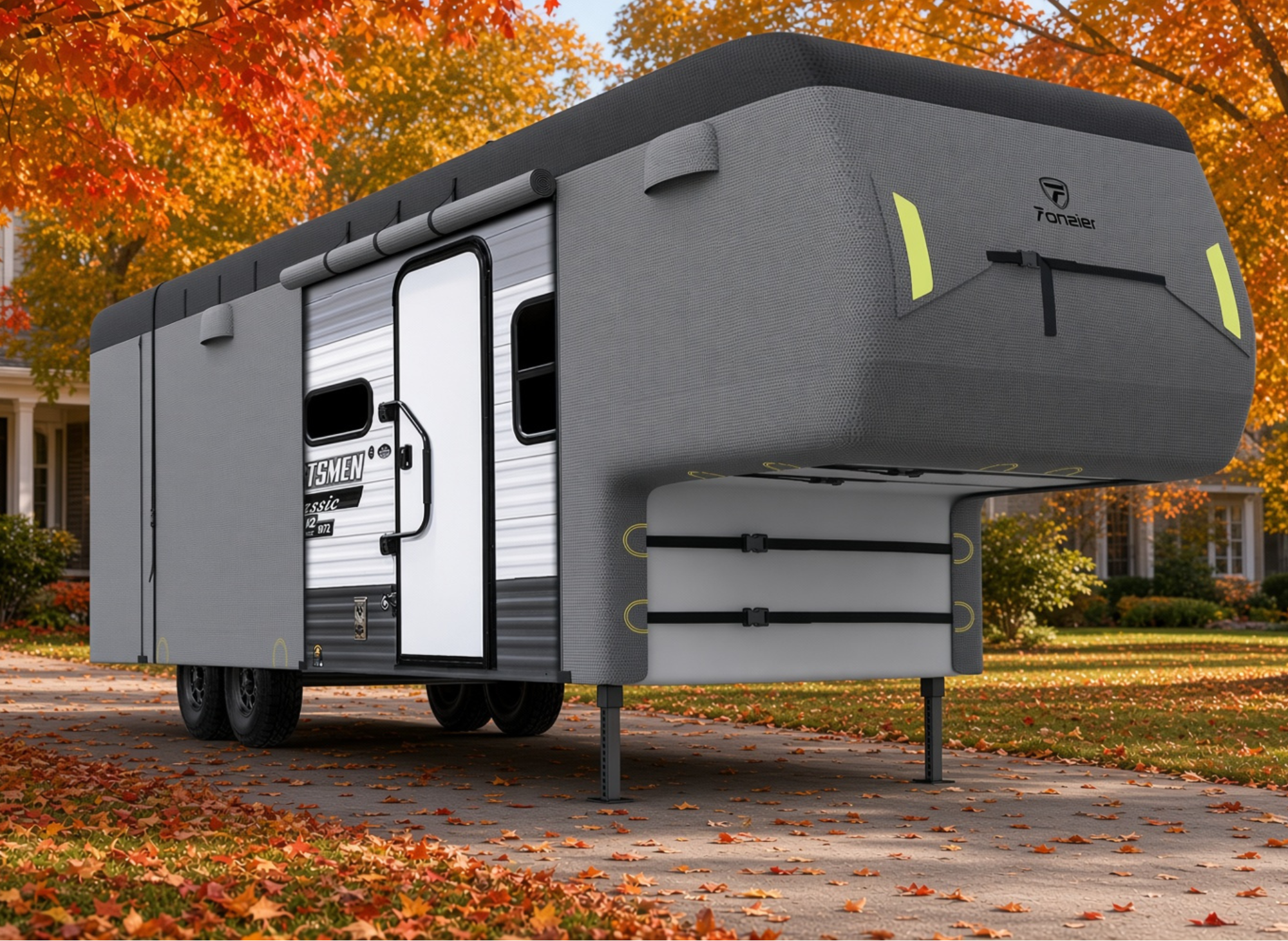
Fonzier 5th Wheel RV Cover
RV Cover for 5th Wheel Motorhome Camper, Weatherproof, Anti-UV, Rip-Stop, Breathable RV Cover Set with straps, Light Gray
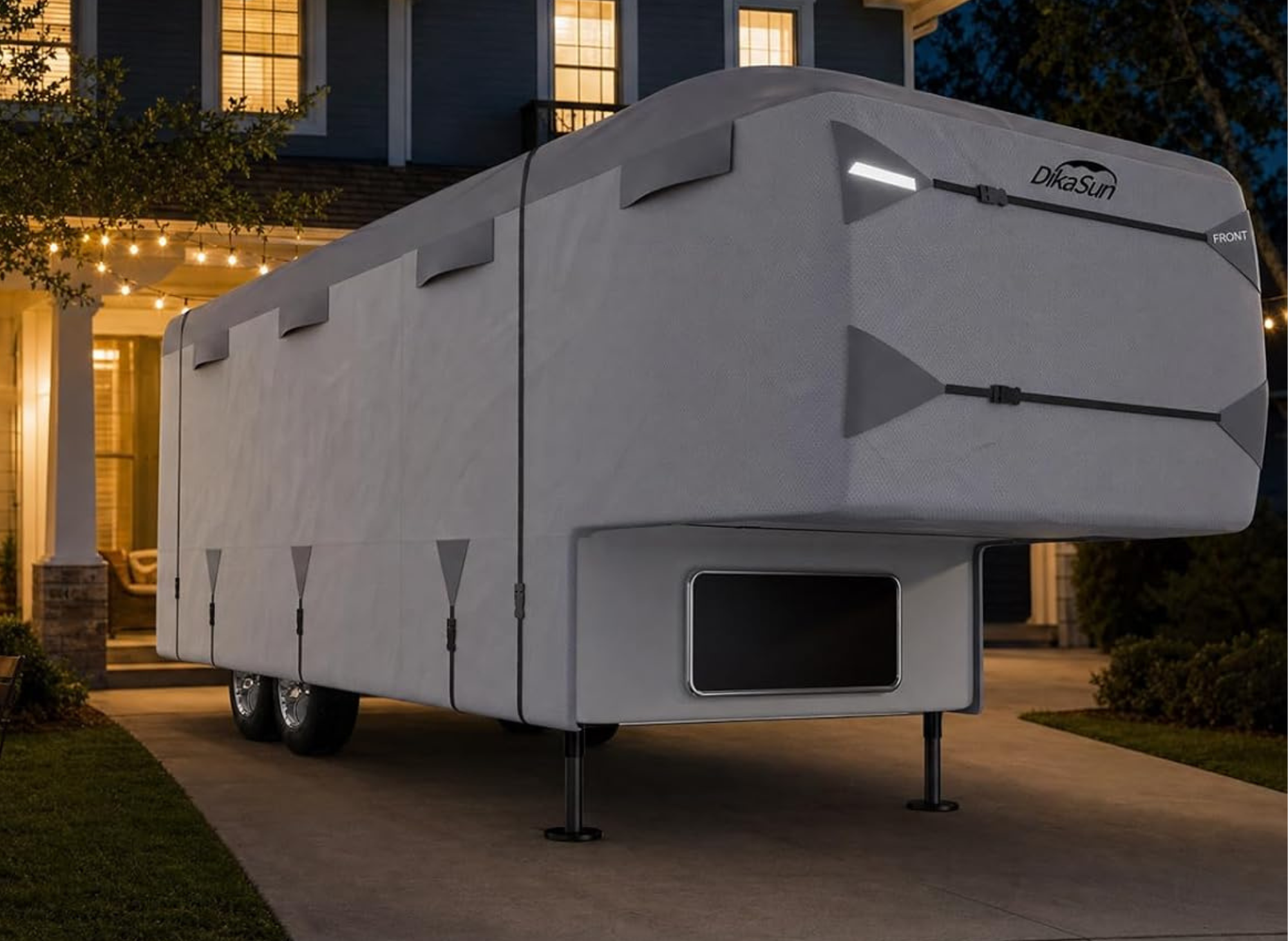
DikaSun 5th Wheel RV Covers
Upgraded 9-Layer Top Fifth Wheel Travel Trailer Cover, Windproof Waterproof Toy Hauler Camper Cover RV Skirting for Winter Snow Protection
Key Benefits of Using a 5th Wheel RV Cover in the Off-Season
When your RV sits unused from late fall through spring, or even through a hot summer stretch, cumulative environmental exposure adds up fast. A cover can reduce the frequency of cleaning and maintenance needs dramatically, making your first-trip prep far easier.
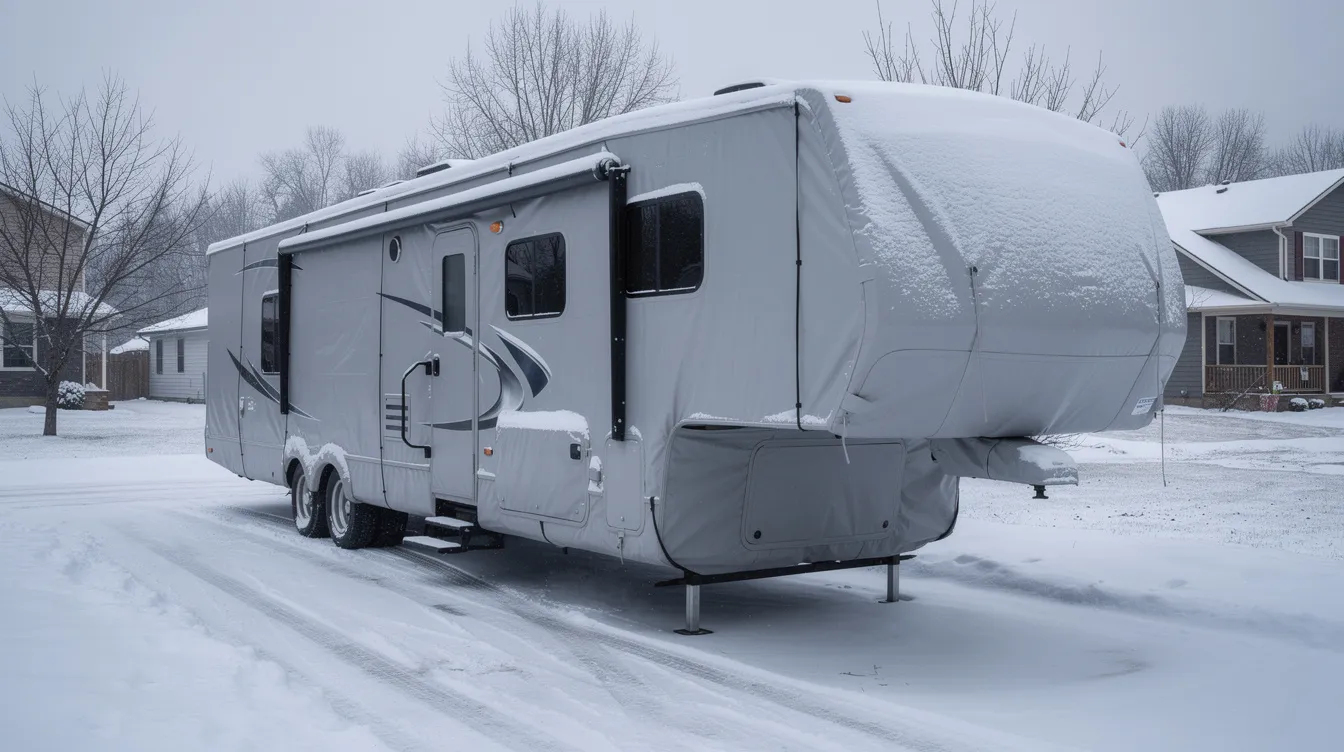
- UV protection: Effective UV resistance is vital for RVs stored in direct sunlight. Constant sun exposure fades gelcoat, chalks fiberglass, and cracks decals and seals. Multi-layer cover tops with UV inhibitors block most of this damage. UV protection prevents paint fading and roof cracks, which are two of the costliest repair categories.
- Weather and moisture shielding: Rain, snow, and ice work their way into seams, around vents, and under slide-outs. Weather shielding prevents water pooling and moisture intrusion into the RV, helping you avoid delamination and rot.
- Surface cleanliness: A well-fitted cover protects against dirt accumulation from various contaminants, including tree sap, bird droppings, pollen, and industrial fallout. That means less scrubbing in spring and fewer micro-scratches from abrasive cleaning.
- Reduced interior heat and damage: UV-blocking covers lower interior temperatures and protect upholstery, vinyl, and dashboards from heat-related cracking and fading.
- Security and privacy: A covered 5th wheel is less visible to passersby, which can help deter opportunistic theft or unwanted curiosity about what's inside.
Types of 5th Wheel RV Covers: Materials and Construction
Not all RV covers are created equal. The fabric weight, layer count, and construction quality directly determine how long a cover lasts and how well it performs in your specific climate.
Lightweight polypropylene or basic polyester covers are the most affordable option, typically running under $300 for mid-size fifth wheels. They work well in mild climates with moderate sun and limited wind, but they tend to degrade faster under heavy UV or snow loads.
Heavy-duty 600D Oxford or similar fabrics represent a significant step up. KNOX covers, for example, are made from anti-tear 600D Oxford fabric, which resists tearing, abrasion, and UV degradation far better than basic polyester. This class of cover is ideal for owners dealing with frequent wind, snow, or extended outdoor storage.
Multi-layer top panels are where premium covers really differentiate themselves. COSYUMI covers feature upgraded 7 layers of waterproof material, combining non-woven outer layers, a waterproof membrane, and a softer inner lining to minimize scratching on painted surfaces. Multi-layer fabric should be water-resistant yet breathable to prevent trapping moisture underneath.
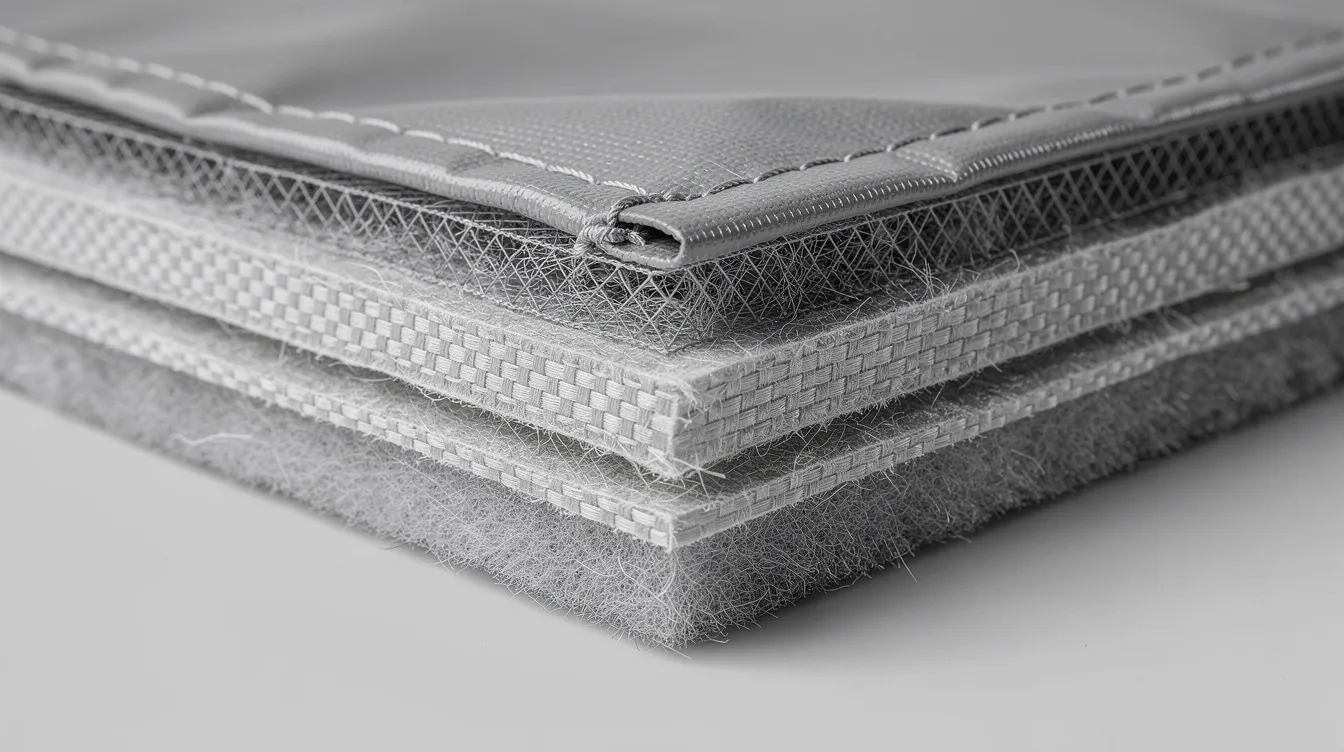
Additional construction features to look for include UV stabilization coatings, reinforced corners, double or triple stitching, and rip-stop weave patterns. Reinforced stress points enhance durability at high-wear areas like ladder contact zones and gutter edges.
The balance between breathable side panels and a waterproof roof panel is critical. Breathable materials help prevent mildew and condensation buildup on the RV's exterior, while the sealed top keeps rain and snowmelt from penetrating. Breathable multi-layer fabrics prevent moisture buildup while protecting from weather, which is the combination you want.
How to Choose the Right Size 5th Wheel RV Cover
Getting the size right is the single most important decision you'll make. A poor fit leads to flapping, tearing, water pooling, and exposed sections that defeat the purpose of covering your rig in the first place. A correct fit for covers accommodates the actual size and accessories of the RV.
5th wheel RV covers come in various sizes, so measure carefully before you order.
How to measure length: Measure from the rear bumper to the front of the 5th wheel body, excluding the kingpin or hitch pin. Most covers are labeled in ranges: 20′–23′, 23′–26′, 29′–33′, 33′–37′, and so on. EliteShield covers, for example, fit 20′–26′ long fifth-wheel RVs, giving you a sense of how these ranges work in practice.
How to measure height: Measure from the ground (or top of the frame, depending on the manufacturer's instructions) to the highest point of the roofline. Tall 5th wheels with front caps reaching 120″ or more should confirm the cover's listed maximum height for full coverage.
When you're between sizes, choose the larger option. Excess fabric is far easier to manage than a cover that's too tight, which causes stretching and tearing and leaves sections exposed. Many owners report on forums that covers advertised as "just sufficient" end up being too small once ladders, rain gutters, and spare tires are factored in.
Don't forget to account for slide-out toppers, rear ladders, rooftop A/C units, solar panels, and any aftermarket accessories. These protrusions can add inches that make or break your fit.
Must-Have Features in a Quality 5th Wheel RV Cover
Use this section as your pre-purchase checklist. Before you add any product to your cart, confirm it checks these boxes:
- Waterproof or highly water-resistant top panel: Look for welded or taped seams that prevent water from seeping through stitch holes. Designs that channel water away rather than allowing pooling will last longer and protect your roof more effectively.
- Windproof design: Wind-resistant attachment systems should include adjustable straps and reinforced points. Multiple under-body straps, tension panels, and front/rear cinch systems prevent the cover from flapping and tearing in storms. Secure wind straps keep the cover in place during high winds, which is non-negotiable if you store in open lots.
- Zippered access panels: Zippered access panels allow RV entry without removing the cover. This means you can check batteries, grab stored gear, or run a dehumidifier mid-winter without the hassle of a full removal. Zippered access panels are useful for convenient entry without removing the entire cover.
- Reinforced corners and edges: Reinforced corners and stress points reduce wear on contact areas like ladder tops, gutter spouts, and awning arms. Without these, fabric wears through quickly at sharp points.
- Integrated air vents: Integrated air vents reduce wind lofting pressure and promote airflow, helping to prevent mold, mildew, and premature fabric degradation inside the covered space.
- Included accessories: Gutter caps, pin box covers, wheel covers, ladder caps, and a storage bag are common value-add extras that stock a quality product package. These small items save you from having to purchase them separately.
- Warranty and support: Comparing warranties can help identify coverage quality and longevity. Look for multi-year limited warranties and clear exchange or return policies. Verify your rights as a buyer before checkout, as some sellers offer 30-day fit guarantees while others don't.
Step-by-Step: How to Install a 5th Wheel RV Cover Safely
Installing a large RV cover safely requires two people, some patience, and a methodical approach. Prioritize safety throughout the process, especially when working on or near the roof.
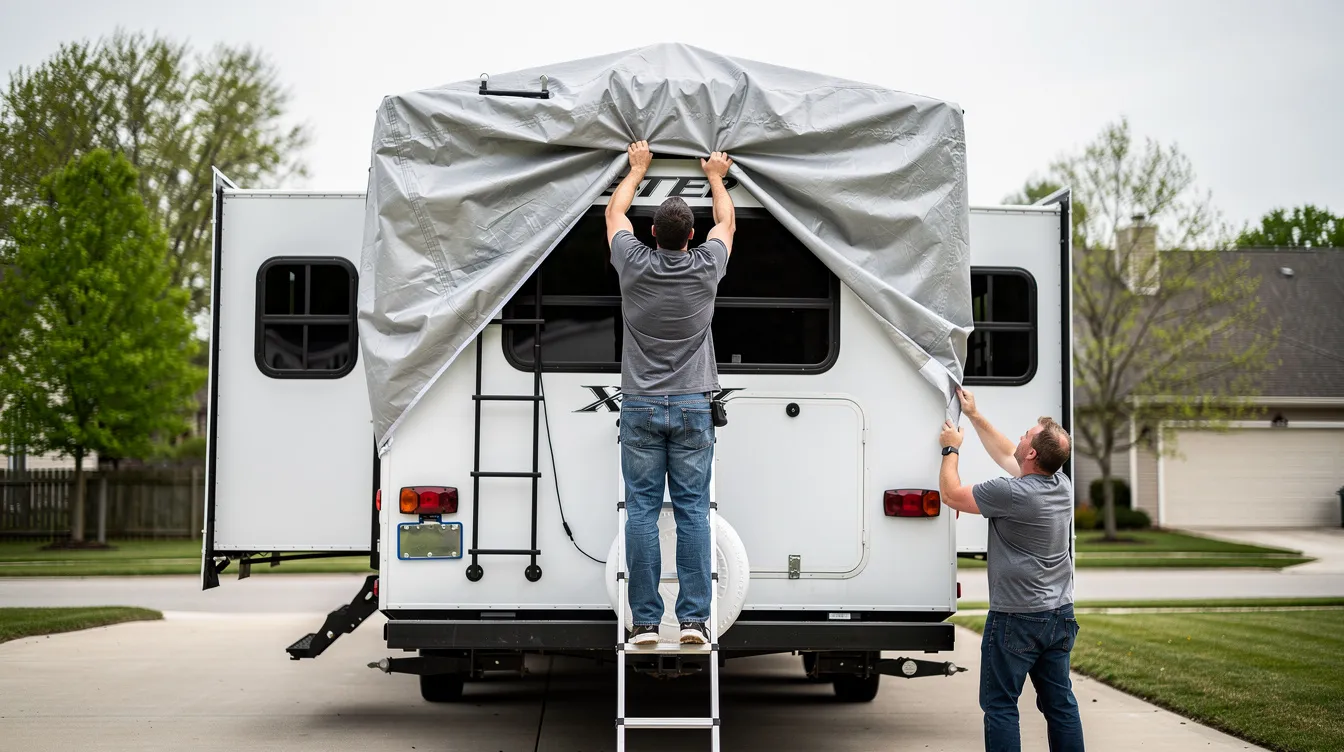
- Preparation: Park the 5th wheel on level ground. Set wheel chocks, lower stabilizing jacks, and ensure all antennas, vents, and awnings are fully closed and retracted.
- Pre-cover protection: Place foam pads, old towels, or rags over sharp edges like ladder tops, gutter spouts, and solar panel brackets. This prevents the cover fabric from wearing through at contact points.
- Unpacking: Open the new cover on a clean driveway or tarp. Identify the "front" and "rear" labels, plus driver and passenger side markings if provided. Orient everything before lifting anything onto the roof.
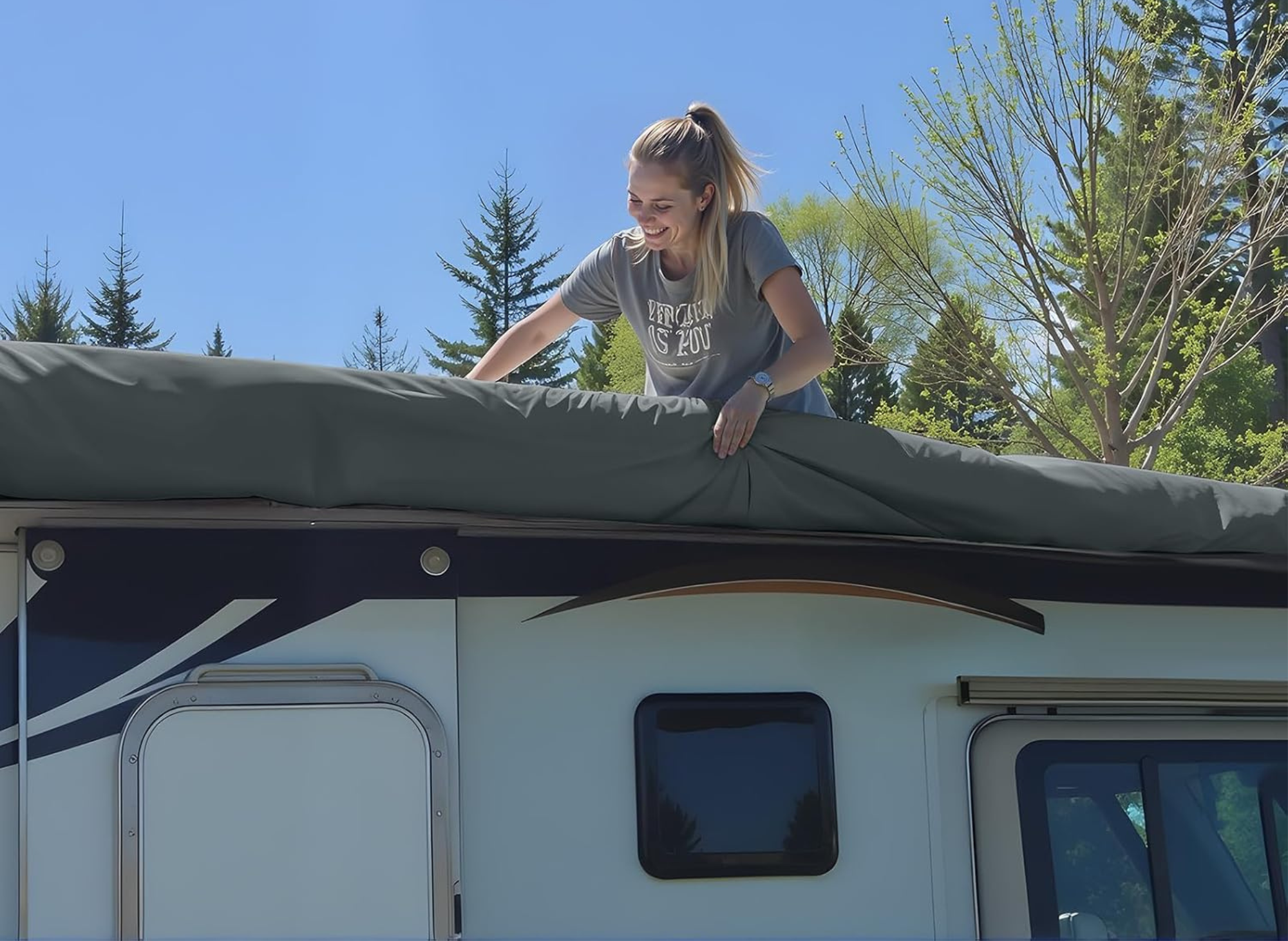
- Rooftop positioning: One person carries the folded cover up the rear ladder, then carefully unrolls it from front to back across the roof. Stay clear of edges and move slowly.
- Draping and alignment: Pull the side panels evenly down over the camper, aligning corner seams with the RV's actual corners. Ensure the front cap area drapes cleanly without bunching.
- Securing straps: Attach under-body straps starting from the center, then work outward to the front and rear. Cinch them snugly but avoid over-tightening, which can stress seams and buckles. Finish by adjusting front and rear tension panels.
- Final checks: Confirm no fabric is dragging on the ground, there are no overly tight spots over gutters or ladders, and the zipper panels align with the main entry door.
How to Remove, Clean, and Store Your 5th Wheel RV Cover
Proper care between uses can add years of life to your cover, stretching a single purchase across many camping seasons.
- Removal: Choose a calm, dry day. Loosen all straps and unzip access panels completely. Fold the cover toward the roof center before lifting it down with a helper.
- Cleaning: Spread the cover flat on a clean surface. Hose off loose debris, then use mild soap and a soft brush for stubborn spots like dried sap or bird droppings. Avoid bleach and harsh chemicals, which degrade UV coatings.
- Drying: The cover must be completely air-dried before you fold and store it. Moisture trapped inside creates mold and odors. On a sunny August afternoon, this can take several hours.
- Inspection: Check all straps, buckles, seams, and reinforced corners for wear. Small rips or loose stitching should be repaired immediately with fabric patch kits.
- Folding and storage: Fold the cover loosely following the manufacturer's instructions, then store it in its bag in a dry, cool space away from rodents and direct sunlight.
- Off-season monitoring: During long storage periods, check the cover once a month to confirm straps are still tight and fabric hasn't shifted. Remove heavy snow from the roof gently to avoid overloading the fabric.
Common Mistakes to Avoid with 5th Wheel RV Covers
A few preventable errors account for the majority of cover failures and RV damage. Here's what to avoid:
- Buying a generic cover: A cover not designed for a 5th wheel will fit poorly around the front cap, leaving gaps, causing excess flapping, and wearing out prematurely. Always choose a product specifically designed for fifth wheels.
- Covering a dirty RV: Skipping a roof and sidewall wash before covering traps grit and debris underneath. Over months of storage, wind shifts cause the fabric to rub those particles against your finish like sandpaper.
- Over-tightening straps: Cranking cinch straps too hard stresses seams and creates pressure points at corners and ladder tops, which can tear through the fabric.
- Covering or storing while wet: Putting a cover on a damp RV or folding the cover itself while wet invites mold, mildew, and persistent odors that are difficult to eliminate.
- Ignoring wind conditions: Failing to recheck strap tension after storms allows wind to get under the cover, causing ballooning and potential tearing. Periodic tightening is essential.
- Using tarps or plastic sheeting: Non-breathable plastic traps condensation against your RV's surfaces, damaging gelcoat and promoting mildew. Purpose-built breathable RV covers exist for a reason.
5th Wheel RV Cover vs. Alternative Storage Options
Before you decide how to store your trailer, it helps to compare the realistic options:
Storage Method | Cost | UV Protection | Moisture Protection | Theft Deterrent |
Uncovered outdoor | Free | None | None | Low |
5th wheel RV cover + outdoor | 250–400 one-time | High | High (top), Good (sides) | Moderate |
Carport / roof-only shelter | 100–300/month | Good (top only) | Partial | Low |
Fully enclosed unit | 200–1,000+/month | Excellent | Excellent | High |
Uncovered outdoor storage costs nothing upfront, but UV, rain, and debris accelerate the aging of seals, the roof, and graphics rapidly. For many owners who store at home or in an open RV lot, a quality 5th wheel RV cover offers the best balance of protection and cost. You can even combine a cover with a carport for near-enclosed-level protection at a fraction of the price.
Fully enclosed storage is the gold standard, but monthly fees for a 40′ unit can add up to thousands per year, which isn't practical for every budget.
Final Tips Before You Buy a 5th Wheel RV Cover
Protecting your 5th wheel doesn't have to be complicated, but a few minutes of preparation before you place an order saves headaches later.
- Make a checklist: Before shopping, list your must-haves: correct size range, UV protection, waterproof top, windproof straps, zipper access, and included accessories. Having this in hand speeds up your checkout process.
- Read recent reviews: Customer reviews and Q&A sections on product pages are invaluable for spotting recurring issues like weak straps, poor stitching, or misleading sizing. Take stock of patterns rather than isolated complaints.
- Match your climate: In states with intense sun, prioritize high UV ratings. In snow country, go heavy-duty waterproof with reinforced straps. In windy plains, focus on strap count and tension panel design.
- Verify return and exchange policies: If the cover doesn't fit, you need a clear path to return or exchange it. Confirm these terms before buying to protect your rights as a consumer.
- Think long-term: A quality 5th wheel RV cover added to your storage routine can help keep your rig looking newer for the next 5–10 camping seasons. That's potentially a decade of protection for less than the cost of a single roof repair.
Measure your rig today, match it to the right cover, and give your fifth wheel the protection it deserves. Your future self and your wallet will thank you.
Thank you for reading!
Your friend,
Todd
5thWheelRVCover 🏕️ #RVProtection 🛡️ #FifthWheelCover 🚚 #RVLife ☀️ #CamperCover 🌧️ #TrailerCover 💪 #OutdoorLiving 🌲 #RVAccessories 🔧 #RoadTripReady 🛣️ #WeatherproofCover 🌬️
This site contains affiliate links, and we may earn a commission at no extra cost to you. All recommended products are thoroughly vetted.
Amazon Prime offers a wide range of products to meet diverse customer needs, with the added benefit of fast, reliable delivery. From household essentials and groceries to electronics, clothing, and entertainment, Prime members get access to exclusive deals and discounts across a wide range of categories.
Additionally, Prime membership includes access to services like Prime Video for streaming movies and TV shows, Amazon Music for ad-free music, and Prime Reading for eBooks and magazines. This comprehensive suite of benefits makes Amazon Prime a convenient and value-packed option for millions of customers worldwide.
- Prime for you, adult
- Free 30-day trial of Prime
- All of Prime, half the price.
- Prime Video
- Wedding Registry
- Kindle Unlimited
 Todd Bandel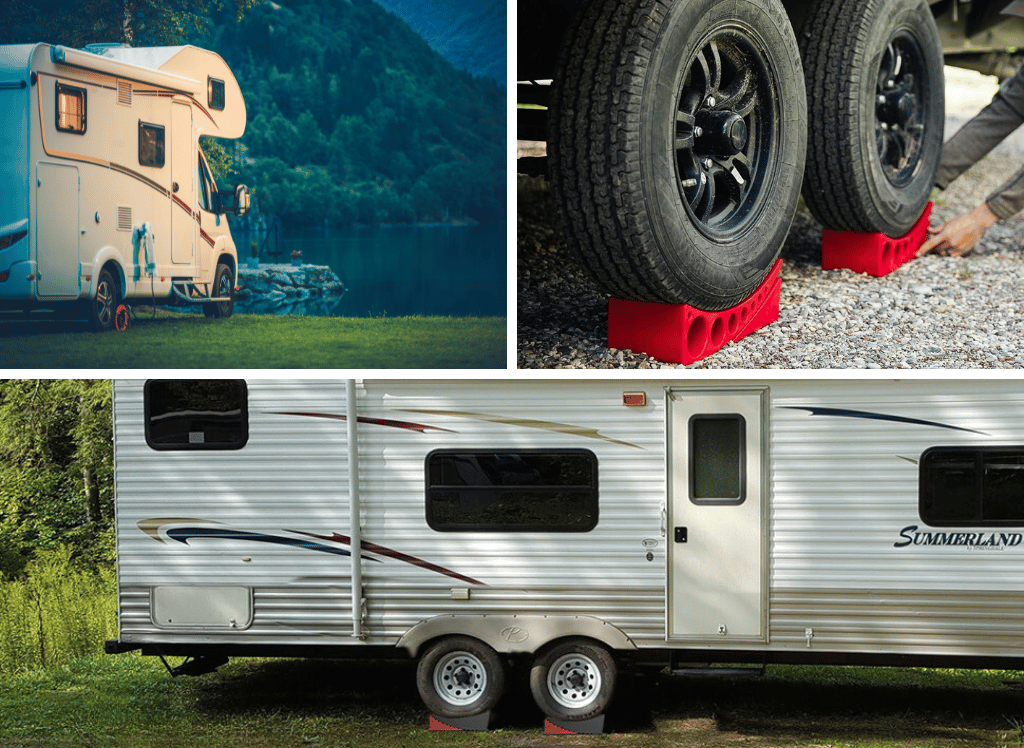
 Todd Bandel
 Todd Bandel
 Todd Bandel
 Todd Bandel