Dodge Dart Swinger: When Compact Met Muscle
Explore the 1969–1976 Dodge Dart Swinger, its iconic 340 V8 engine, and why this compact muscle car is still a collector's favorite!

Welcome to Mechanicaddicts. As an Amazon Associate, we earn from qualifying purchases (at no cost to you) from links found within these pages if you choose to buy something.
The muscle car era wasn’t just about fire-breathing big-blocks and quarter-mile bragging rights. Between the high-dollar Chargers and bare-bones economy sedans lived a sweet spot that Chrysler exploited brilliantly: the Dodge Dart Swinger.
The Dodge Dart was produced in North America by Dodge from 1959 to 1976. Originally introduced as a lower-priced full-size model in 1960 and 1961, the Dart became a mid-size car for one model year in 1962, featuring a new lightweight unibody 'B' platform and torsion bar front suspension, before being reduced to a compact for two generations from 1963 to 1976. The Dart was based on the unibody Plymouth platform with a 118-inch wheelbase for sedans and coupes, and was offered in three trim levels: the basic Seneca, mid-range Pioneer, and premium Phoenix.
Born in 1969, the Swinger transformed Dodge’s humble compact into an accessible performance icon. While Plymouth Valiants shared the same platform, the Dart carved its own identity through bold styling and clever packaging. The Dart GTS, a high-performance sibling to the Swinger, offered powerful engine options like the 340 V8 and unique trim, emphasizing the Dart's performance focus during the late 1960s and early 1970s.
This wasn’t a trailer queen destined for weekend car shows; it was built for drivers who wanted V8 thunder without the premium price tag. Engine options for the Dart included the 225 cubic-inch slant-six and various V8s, such as the 318- and 361-cubic-inch engines. The Dart was available in various body styles, including two- and four-door hardtops, sedans, and convertibles.
The story of the Dart Swinger mirrors a pivotal shift in automotive culture. As insurance rates climbed and emissions regulations tightened, the compact muscle car became more than a budget alternative. It represented survival. The Swinger proved you didn’t need a full-size body to have fun, setting a template that influenced everything from the Fox-body Mustang to modern hot hatches. In this competitive landscape, Dodge's Dart faced off against Ford models like the Falcon and Galaxie, highlighting differences in size, design, and market positioning as each company sought to capture the growing compact and intermediate segments.
The company’s strategy with the Dart Swinger reflected a keen understanding of market segmentation and product development, allowing Dodge to offer performance and value in a changing era. The name 'Swinger' itself was a strategic use of the word in advertising, chosen to evoke images of fun, freedom, and performance, demonstrating how the right words in muscle car marketing could attract the target audience. Until then, let’s examine what made the Swinger special, from its evolving design to its place in today’s collector market. The Dart also earned a reputation for reliability and value, building strong owner loyalty throughout its production run.
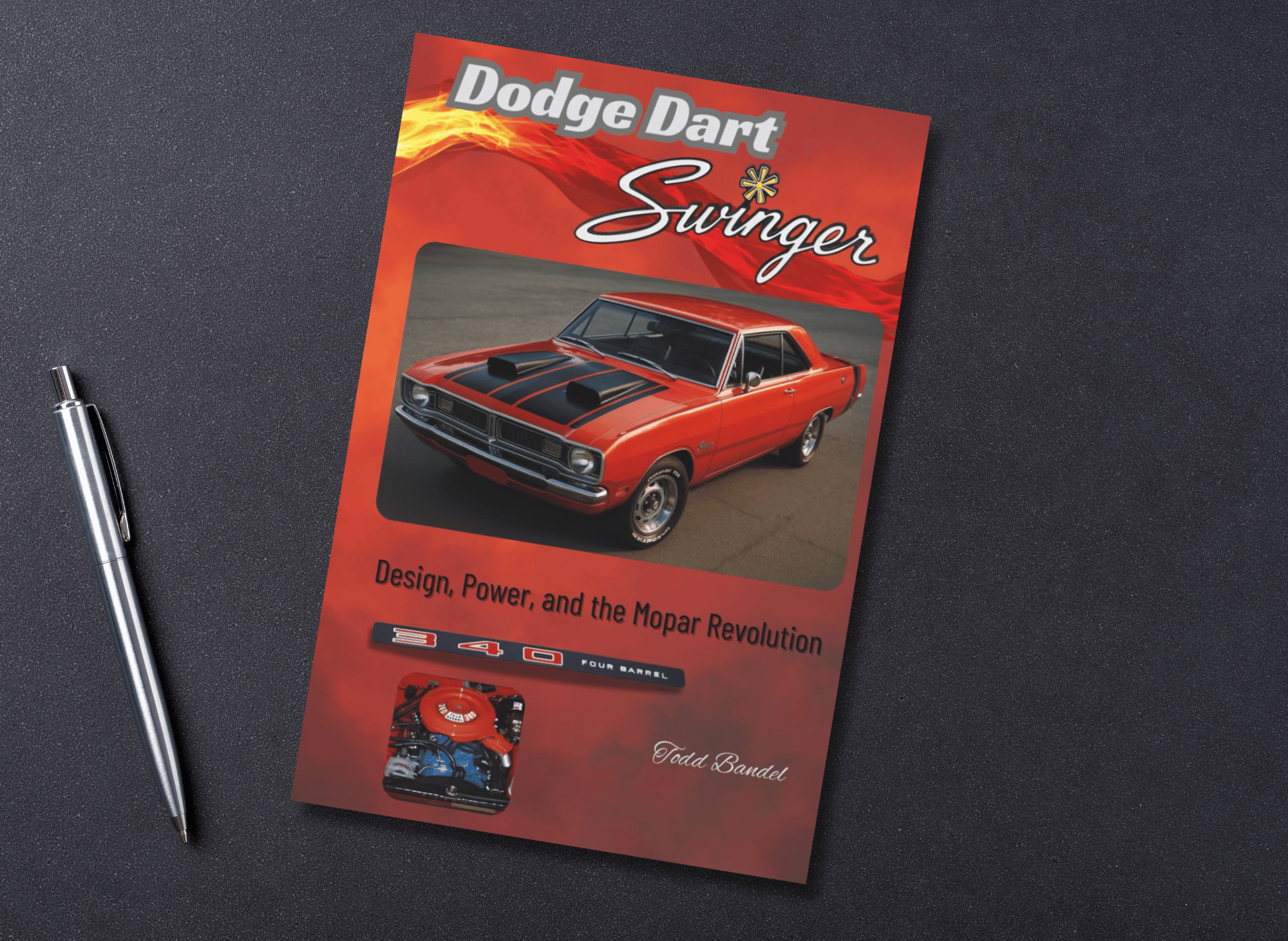
Dodge Dart Swinger: Design, Power, and the Mopar Revolution
“Dodge Dart Swinger: Design, Power, and the Mopar Revolution” traces the car’s evolution from thrifty commuter to tire-spinning street hero.
Design Evolution: From Bold Beginnings to Practical Restraint (1969–1976)
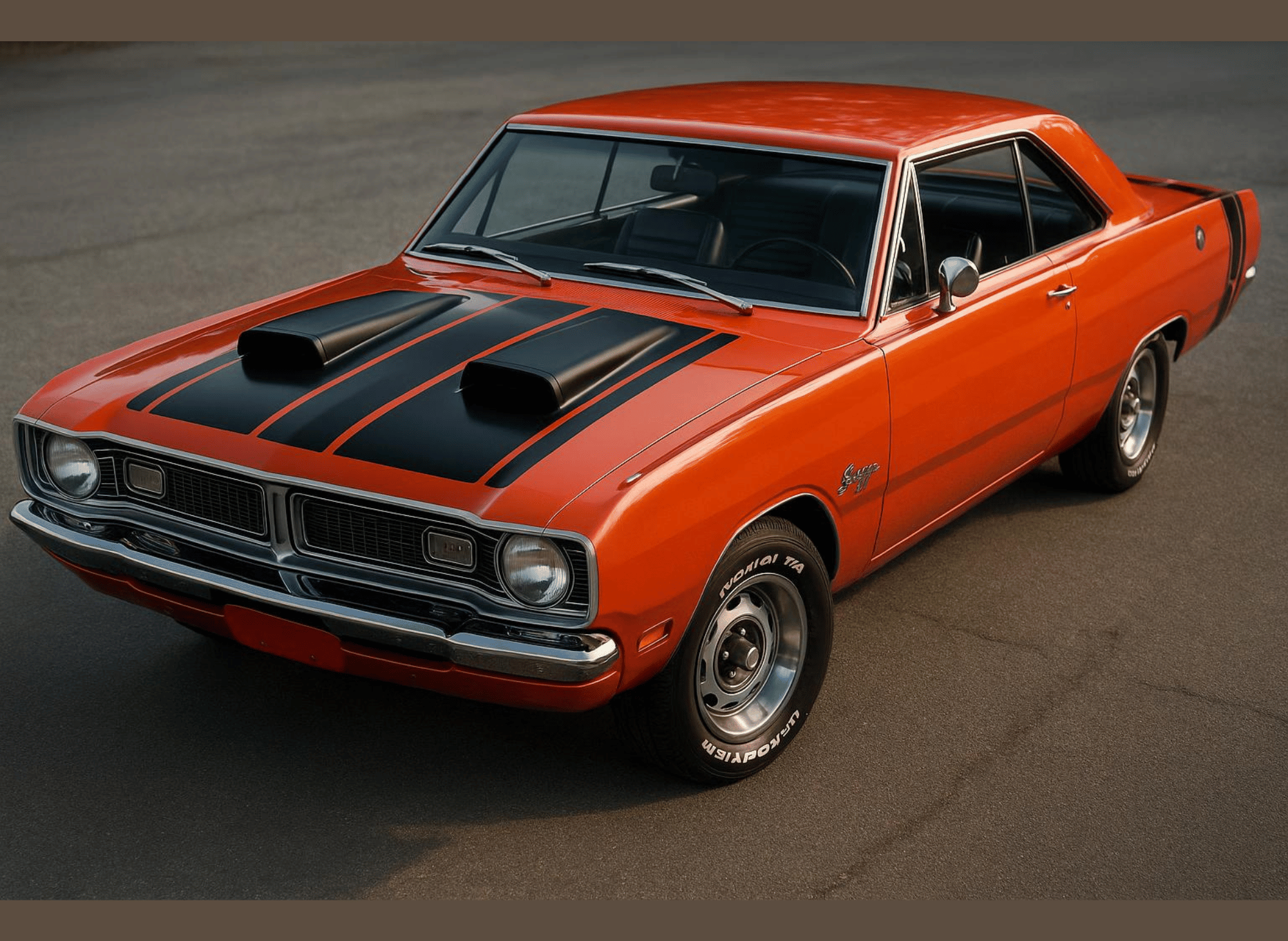
The first-generation Swinger (1969–1970) arrived with aggressive styling that announced its intentions. Introduced in 1969 as a performance-oriented trim designed to appeal to younger buyers, the Swinger stood out in the Dodge Dart lineup. Chrysler designers borrowed cues from their full-size muscle cars, creating a scaled-down package that didn’t apologize for its compact dimensions. Distinctive features of the Swinger included "bumblebee" stripes, functional hood scoops, and prominent "Swinger" badges, further emphasizing its sporty appeal.
The body featured a fastback roofline that improved aerodynamics while giving the car a forward-leaning stance. Unlike other Darts, Swingers could be ordered with a vinyl roof, a touch of luxury that separated them from bare-bones compact transportation. That C-pillar design became iconic, creating clean lines from windshield to rear bumper. The car's head, with its unique headlamps and bold front fascia, contributed to the model's aggressive look.
Inside, the dash layout prioritized function over flash. The instrument cluster sat directly in front of the driver, with clear gauges that were easy to read during spirited driving. Headrests and seat belts became standard equipment as safety regulations evolved, though early models still featured basic lap belts in the rear seat.
The second-generation refresh (1971–1972) brought federally mandated changes. The front bumper grew more substantial to meet new impact standards, adding weight but maintaining the car’s proportions. Chrysler engineers compensated by refining the heavy-duty suspension components, including updated torsion bars and a revised steering linkage that improved handling precision.
By 1973, the Swinger reflected broader industry changes. The rear window grew slightly, improving visibility. Front disc brakes became available, a significant upgrade over the standard drum setup. The performance hood, once a no-cost option, now commanded a premium as Dodge tried to maintain margins against rising production costs.
The final years (1974–1976) saw the Swinger transition toward efficiency. The body remained largely unchanged, but interior materials improved. Better seat cushions and upgraded trim pieces signaled Dodge’s attempt to move the car upmarket. The passenger compartment received sound-deadening, making highway cruising more pleasant, even if outright performance took a back seat to fuel economy.
Throughout its production run, the Swinger shared its basic architecture with Plymouth Valiants. Both rode on the A-body platform, yet each maintained distinct character through trim choices and marketing positioning. The Dart typically costs slightly more but offers additional customization options that attract buyers seeking personalization. Darts ordered could be specified with custom features, trim levels, and factory options, allowing buyers to tailor their vehicles to their preferences. The availability of custom trim levels and features was a key part of the Swinger's appeal, making it a favorite among enthusiasts looking for a unique touch.
Under the Hood: The 340 Legend and Its Practical Siblings
Ask any Mopar enthusiast about the Dart Swinger, and they’ll mention the 340 V8. This small-block engine defined the Swinger 340 model and remains the most collectible variant today. The 340 cubic inch 4-barrel V8 engine was standard in the Swinger 340, paired with a 4-speed manual transmission, though a TorqueFlite automatic was also available.
The 340 displaced 340 cubic inches (5.6 liters) and produced advertised ratings around 275 horsepower when it debuted. Real-world output was likely higher; Chrysler often underrated engines to help buyers avoid insurance surcharges. The same block that powered muscle legends like the Plymouth Cuda found its way into the compact Dart, giving the car genuine performance credentials. Maintaining proper oil and fuel pressure was crucial for optimal performance, especially for those tuning the engine for racing or high-stress driving.
Paired with the TorqueFlite automatic transmission, the 340 delivered consistent performance without the drama of finicky manual linkages. Drag racers appreciated the TorqueFlite’s bulletproof construction and quick, firm shifts. Those who preferred rowing their own gears could opt for a 4-speed manual, though the automatic proved more popular for street duty.
The 340’s party trick was its free-revving nature. Unlike big-block torque monsters, the 340 loved high RPM. It pulled hard past 5,000 RPM, making it ideal for autocross and road course work where power delivery mattered more than raw displacement. The engine featured forged internals and robust bottom-end components, allowing it to handle abuse that would grenade lesser mills. Quarter-mile times for the Swinger 340 were in the mid-14-second range, with 0–60 mph times between 6 and 8.6 seconds.
The Swinger 340 also came with Rallye suspension installed as standard, including heavy-duty shocks and a rear sway bar, which improved handling and stability. To improve traction, buyers could have a Sure Grip limited-slip differential installed at the factory. These features made the Swinger 340 one of the best performance bargains of its era, with a base price of $2,836, making it an affordable performance option.
But most Dart Swingers left the factory with more modest powerplants as the base engine varied by year, ranging from a slant-six to small V8s. The famous slant-six earned its reputation through bulletproof reliability and surprising longevity, even if it couldn’t match the 340’s performance.
Mid-range V8 choices included the 318- and 360-cubic-inch engines. The 318 provided adequate power for daily driving while maintaining reasonable fuel economy. The 360, introduced later in the production run, offered more torque than the 340 but lacked its high-RPM personality. These engines made the Swinger accessible; you could buy a V8-powered coupe without taking out a second mortgage.
The Dart Swinger was marketed as a sporty and budget-friendly alternative to larger muscle cars, appealing to a younger demographic. Over 16,000 Swinger 340 units were produced in 1969 alone, contributing to its collectibility. The Dart Swinger is considered a desirable collectible among muscle car enthusiasts, with a strong following in the collector car market due to its performance and historical significance.
The performance equation changed after 1972. Compression ratios dropped to accommodate unleaded fuel. Emissions equipment added weight and complexity. The 340 received detuning, which reduced peak output, though experienced tuners could restore much of the lost performance with simple modifications.
By 1974, the 340 disappeared entirely, replaced by the 360. This transition disappointed purists but reflected market realities. The oil crisis had shifted buyer priorities overnight. Suddenly, a lightweight car with adequate power trumped straight-line acceleration.
Even in base form, the Dart’s power-to-weight ratio gave it decent performance. The compact body meant less mass to accelerate compared to full-size muscle cars. Creative owners discovered that simple bolt-ons, headers, carburetors, and ignition upgrades could transform even a 318-powered Swinger into a capable street machine.
The mechanical simplicity of these engines remains a major selling point today. Unlike modern computer-controlled powertrains, the Dart’s engine bay invites weekend wrenching. Parts remain available through specialist suppliers and salvage yards, making ownership practical for enthusiasts who enjoy working on their own vehicles.
Marketing the Muscle: Accessibility as Strategy
Chrysler’s marketing team understood something crucial: most buyers couldn’t afford a Hemi ‘Cuda or a 440 Six Pack Charger. The Swinger filled that gap brilliantly.
Print ads emphasized value without sacrificing style. “The Swinger, it’s what’s happening!” proclaimed one campaign, targeting younger buyers who wanted performance without parent-pleasing compromises. The messaging positioned the car as attainable excitement rather than aspirational luxury.
Dodge dealers loved the Swinger because it brought traffic. A buyer might walk in planning to purchase a Dart, see the Swinger option, and drive out in something far more exciting for modest additional cost. The 340 model commanded a reasonable premium over base Darts, making it an easy upsell.
The car’s name helped immensely. “Swinger” captured late-1960s cultural zeitgeist while avoiding the aggressive posturing of names like “Super Bee” or “Road Runner.” It suggested fun rather than confrontation, broadening appeal beyond hardcore muscle car enthusiasts.
Chrysler also benefited from the Swinger’s versatility. The same chassis could serve as budget transportation, weekend racer, or daily driver with performance potential. This flexibility enabled higher production volumes and better economies of scale than limited-edition muscle cars. Over its production run, hundreds of thousands of Dodge Darts were sold, making it one of the most popular compact cars of its era.
The compact dimensions proved advantageous in tight parking situations and congested traffic. Full-size muscle cars intimidated some buyers with their bulk. The Swinger offered a manageable size without feeling cramped, particularly important as urban centers became more congested.
Dodge Darts also made a name for themselves in racing, with performance versions like the D-Dart competing in NHRA stock class events and other racing series. Their involvement in competition and popularity among muscle and drag racing enthusiasts further cemented the Dart’s reputation.
Throughout production, Dodge maintained the Swinger’s position as the affordable performance option. When competitors raised prices, Chrysler held the line. This strategy built brand loyalty among younger buyers who would later trade up to larger, more expensive Dodge products.
The Dart was replaced by the Dodge Aspen in late spring of 1976 in the North American market. The Dart nameplate was later resurrected in 2012 for a Fiat-derived compact car.
Racing and Competition: The Swinger on the Strip and Track
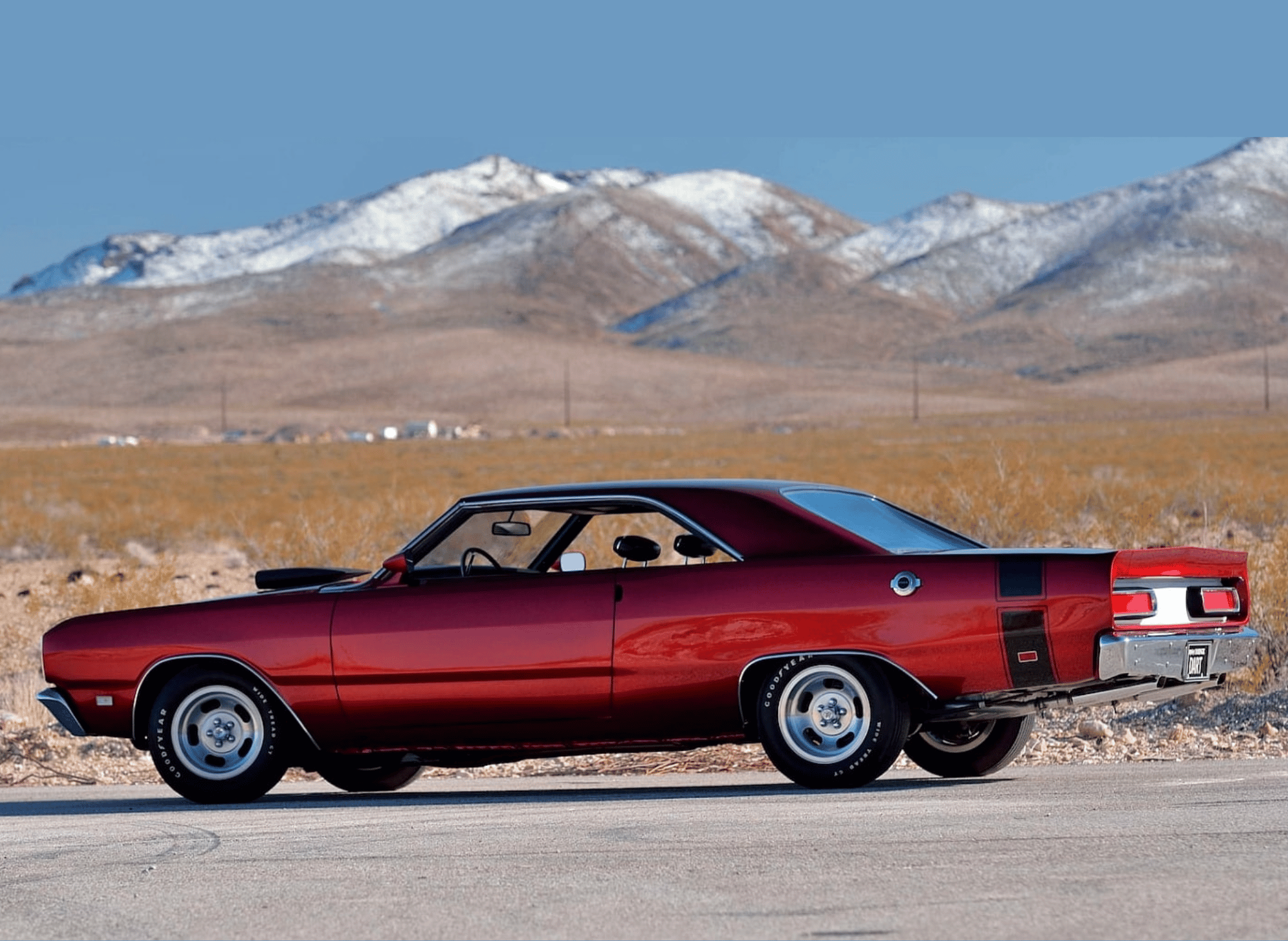
The Dodge Dart Swinger 340 quickly earned a reputation as a serious contender on both the drag strip and the oval track. Thanks to its lightweight body and potent engine, the Swinger 340 was a favorite among racers looking to squeeze every ounce of performance from their car. Owners often started by upgrading to heavy-duty suspension components and torsion bars, giving the Dart Swinger the stability and control needed to handle high-speed launches and tight corners. The addition of disc brakes, especially up front, meant the car could stop as confidently as it accelerated, a crucial advantage when pushing limits on the track.
The Swinger’s distinctive rear window and optional vinyl roof weren’t just about style; they contributed to the car’s unique aerodynamic profile, helping to reduce drag and keep the rear planted during hard acceleration. Many racers swapped out stock tires for high-performance rubber, further improving grip and quarter-mile times. With the right combination of engine tuning, suspension tweaks, and lightweight wheels, the Swinger 340 could surprise much larger and more expensive muscle cars at the strip.
On the oval track, the Dart’s responsive steering linkage and robust suspension setup allowed drivers to carve through corners with confidence. The car’s compact dimensions and balanced weight distribution made it agile, while the powerful engine delivered the kind of straight-line speed that kept competitors on their toes. Whether tearing down the quarter-mile or battling for position on a short track, the Dart Swinger 340 proved that a compact Dodge could hold its own against the best in the business. For many owners, the thrill of putting their car to the test, win or lose, became a defining part of the Swinger experience.
The Collector Market: Cult Following and Investment Potential
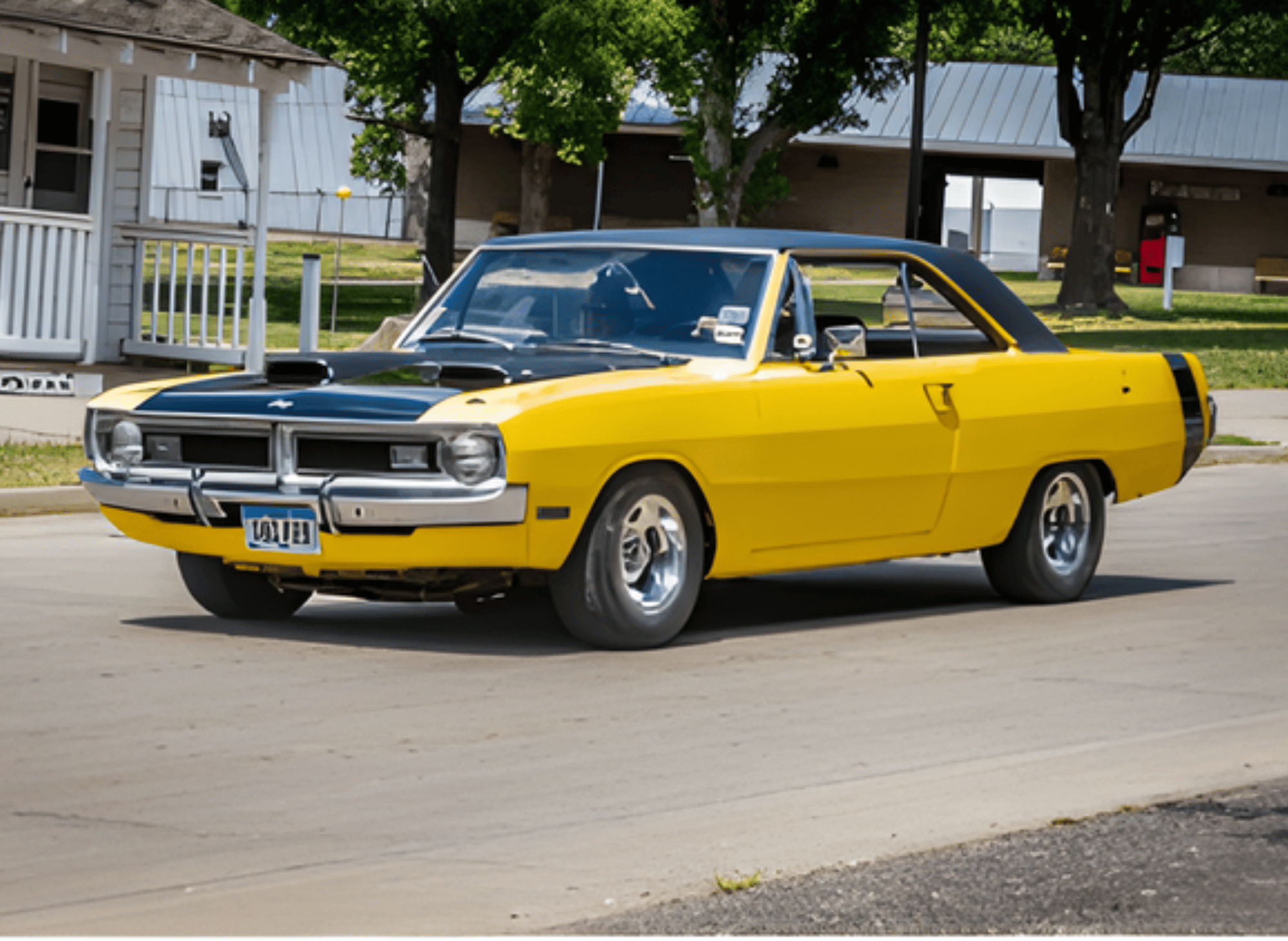
Walk through any classic car show, and you’ll notice something interesting: Dart Swingers draw crowds disproportionate to their original production numbers. The car has developed a devoted following that transcends typical muscle car enthusiasm.
Several factors drive current collector interest. Swinger 340 models with original drivetrains command premium prices, particularly early examples with the most desirable options. Numbers-matching cars, those retaining their original engine and transmission, sell for significantly more than clones or restomods. Notably, the Swinger 340 weighed roughly 3,200 lbs, which contributed to its high power-to-weight ratio and strong performance, making it especially sought after among collectors.
Condition matters enormously. Rust remains the primary enemy, particularly in cars from regions using road salt. The floor panels, rear quarter panels, and trunk areas are typically the first to show deterioration. Buyers inspect these spots carefully, knowing that rust repair adds thousands to restoration costs.
Original paint cars have become unicorns. Most Swingers saw hard use, meaning survivors often sport multiple paint jobs and replaced panels. Finding an unmolested example requires patience and connections within the Mopar community. Private sales through clubs and specialist dealers often yield better results than general auction houses.
The market shows interesting segmentation. Six-cylinder Darts with Swinger trim sell for modest sums, making them entry points for budget-conscious enthusiasts. Small-block V8 cars (318 and 360) occupy the middle ground, offering affordable performance that doesn’t break the bank. At the top sit the 340 examples, particularly early cars with desirable options like the performance hood, heavy-duty suspension, and TorqueFlite automatic transmission.
Documentation adds value. Original window stickers, build sheets, and ownership records help establish provenance. Cars with continuous history, particularly those remaining with original owners or within single families, command premiums reflecting their documented stories.
Unlike some muscle cars that appeal primarily to investors, the Swinger attracts genuine enthusiasts. Owners actually drive these cars rather than storing them as appreciating assets. This creates a healthier market less susceptible to speculation bubbles.
The restoration parts market remains robust. Reproduction panels, trim pieces, and mechanical components are readily available from multiple suppliers. This accessibility makes restoration projects feasible for home mechanics willing to invest time and effort.
Modern technology has simplified the hunt. Online forums, social media groups, and specialized classifieds connect buyers with sellers globally. Enthusiasts in Ontario can source parts from California, while a shop in Canada might ship components worldwide. This interconnected network sustains the hobby and helps preserve the remaining examples.
Current valuations reflect several trends. First-generation cars (1969–1970) typically command higher prices than later examples, driven by styling preferences and lower production numbers. Cars equipped with front disc brakes, vinyl roofs, and performance options trade at premiums. Manual transmission cars, increasingly rare, attract purists willing to pay for the engagement of shifting gears.
Investment potential depends on condition and originality. A well-maintained Swinger 340 represents reasonable value compared to more expensive muscle cars. While unlikely to match Hemi ‘Cuda appreciation rates, solid examples should hold value and potentially appreciate modestly over time.
The car’s compact dimensions make storage easier than full-size muscle cars. A standard two-car garage can house a Swinger with room to spare, reducing storage costs for collectors maintaining multiple vehicles. When storing your Dart Swinger, using a quality car cover is highly recommended to protect the vehicle from dust, weather, and other elements. A cover helps preserve the car’s condition during periods of inactivity or long-term storage, making it an essential part of proper maintenance.
Regional variations affect pricing. Cars from dry climates like Arizona or California typically show better structural integrity than northern examples. However, buyers must verify authenticity; unscrupulous sellers sometimes misrepresent a car’s history or use VIN swaps to increase value.
Restoration and Maintenance: Keeping the Swinger 340 Alive
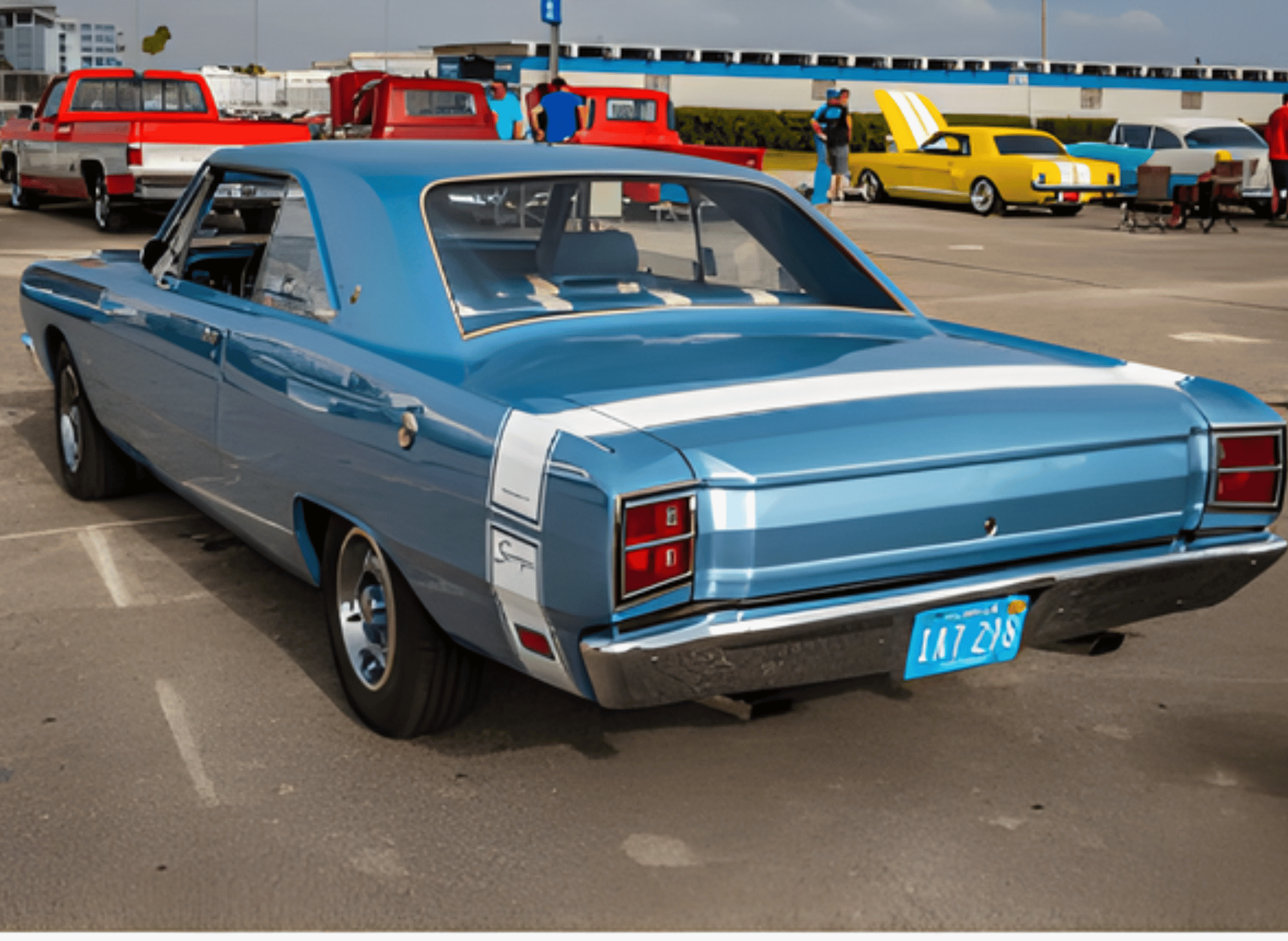
Owning a classic Dodge Dart Swinger 340 is as much about stewardship as it is about driving. Restoration and maintenance are ongoing commitments, but they’re also part of what makes the experience so rewarding. For many owners, the journey begins with the interior, restoring the rear seat, dash, and other trim pieces to their original glory. Over time, these areas can show their age, so attention to detail is key. Replacing worn seat covers, repairing the dashboard, and sourcing correct interior parts can transform a tired car into a showstopper.
Routine maintenance is just as important. Regular oil changes, brake inspections, and tire rotations keep the Dart running smoothly. Upgrading or refurbishing the front disc brakes and checking the steering linkage ensures the car remains safe and responsive, whether it’s cruising to a local meet or heading out for a spirited drive. Suspension components, including the heavy-duty torsion bars and shocks, may need to be replaced or rebuilt to restore the car’s original handling prowess.
Restoration projects often involve tracking down rare parts, such as the performance hood or original vinyl roof material. Fortunately, a strong network of suppliers and fellow enthusiasts makes it possible to find what you need, even if it takes a bit of patience. Many owners find that putting in the effort to restore their Dart Swinger 340, whether it’s rebuilding the engine, refreshing the brakes, or bringing the interior back to life, deepens their connection to the car. The result is a vehicle that not only turns heads the first time but also delivers the kind of driving fun that made the Dart Swinger a legend in the first place. For those willing to invest the time and care, keeping a Swinger alive is more than a hobby; it’s a way to preserve a piece of automotive history for future generations.
Frequently Asked Questions
What makes the Swinger 340 more valuable than other Dart models?
The 340 V8 engine provides genuine performance credentials that other variants lack. This small-block powerplant earned legendary status among Mopar enthusiasts for its high-RPM capability and robust construction. Swinger 340 models also typically included upgraded suspension components and visual cues that distinguish them from standard Darts. Collectors prize these cars for their combination of performance, handling, and relative rarity compared to six-cylinder and 318-powered examples.
Are parts still available for restoration projects?
Yes. The Mopar aftermarket remains strong, with multiple vendors reproducing everything from body panels to interior trim. Mechanical components benefit from the 340’s use across multiple Chrysler products, meaning salvage yards and specialist suppliers maintain decent inventories. Some unique trim pieces can prove challenging to source, but patient enthusiasts usually locate what they need through online forums, swap meets, and specialty dealers.
Many owners have faced challenges with restoration shops that messed up or did the wrong repairs, leading to further work and delays. A common issue during restoration is upgrading the braking system to handle the increased power of modified engines, and a complete engine rebuild is often required to restore performance and reliability. Aesthetic improvements frequently include restoring the original color and features, such as the vinyl roof, to bring the car back to its classic appearance.
How does the Swinger compare to its Plymouth Valiant cousin?
Both cars share the same A-body platform, meaning chassis, suspension, and mechanical components are largely identical. The primary differences lie in styling, trim, and market positioning.
Dodge typically positioned the Dart as slightly more upscale than the Valiant, reflected in pricing and available options. Performance variants existed for both nameplates, though the Swinger name recognition often gives Dodge examples a slight edge in collector markets. From a mechanical standpoint, owners can interchange many parts between the two, simplifying maintenance and restoration.
What should buyers inspect when evaluating a potential purchase?
Start with structural integrity, check floor pans, quarter panels, and trunk floors for rust. Examine steering linkage and torsion bar mounts, as these areas often show deterioration. Verify the engine matches the VIN and original documentation.
Test-drive the car to assess transmission function, brake performance, and suspension condition. Inspect the windshield and rear window surrounds for common rust spots that signal deeper issues. Request maintenance records and previous ownership history. A pre-purchase inspection by a qualified mechanic familiar with classic Mopars provides peace of mind and leverage in negotiations if issues surface.
Is a Swinger practical as a regular driver?
That depends on your tolerance for vintage car quirks. Models with front disc brakes offer adequate stopping power for modern traffic, though they can’t match contemporary vehicles. The compact size makes parking easier than full-size muscle cars.
Fuel economy varies based on engine choice and driving style, expect 12–16 MPG with a V8. Lack of modern safety features like airbags and crumple zones represents the biggest compromise. For occasional use or weekend driving, a well-maintained Swinger provides reliable transportation with character. Daily driving demands more commitment to maintenance and acceptance of limitations compared to modern cars.
What is the ownership experience like?
Restoring a Dodge Dart Swinger often involves a long wait as owners deal with delays, setbacks, and sometimes missed opportunities during the process. Many share personal experiences about the emotional investment required, especially when restoration shops have messed up or done something wrong, causing further frustration. Despite these challenges, the satisfaction of seeing the car return to its former glory makes the journey worthwhile for most enthusiasts.
What is the difference between a Dodge Dart GTS and a Swinger?
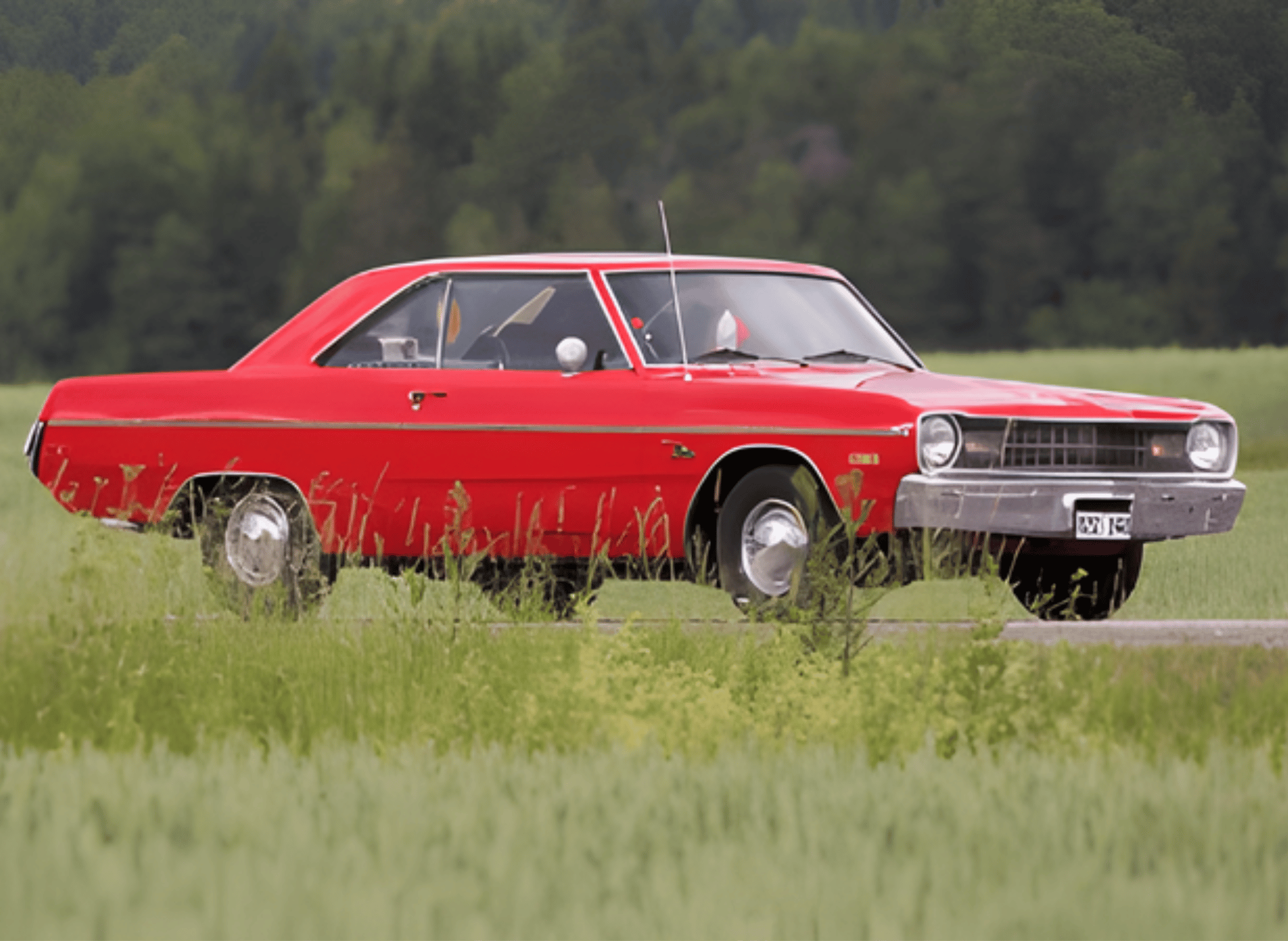
The Dodge Dart GTS and Swinger were distinct trims of the Dart, catering to different audiences. The GTS was the high-performance model, featuring powerful V8 engine options, aggressive styling with hood scoops and stripes, and a focus on muscle car performance.
In contrast, the Swinger was a more affordable, stylish trim aimed at younger buyers, offering a sporty appearance and a range of engines, including the Swinger 340 with decent performance. While the GTS embodied raw power, the Swinger balanced fun and affordability.
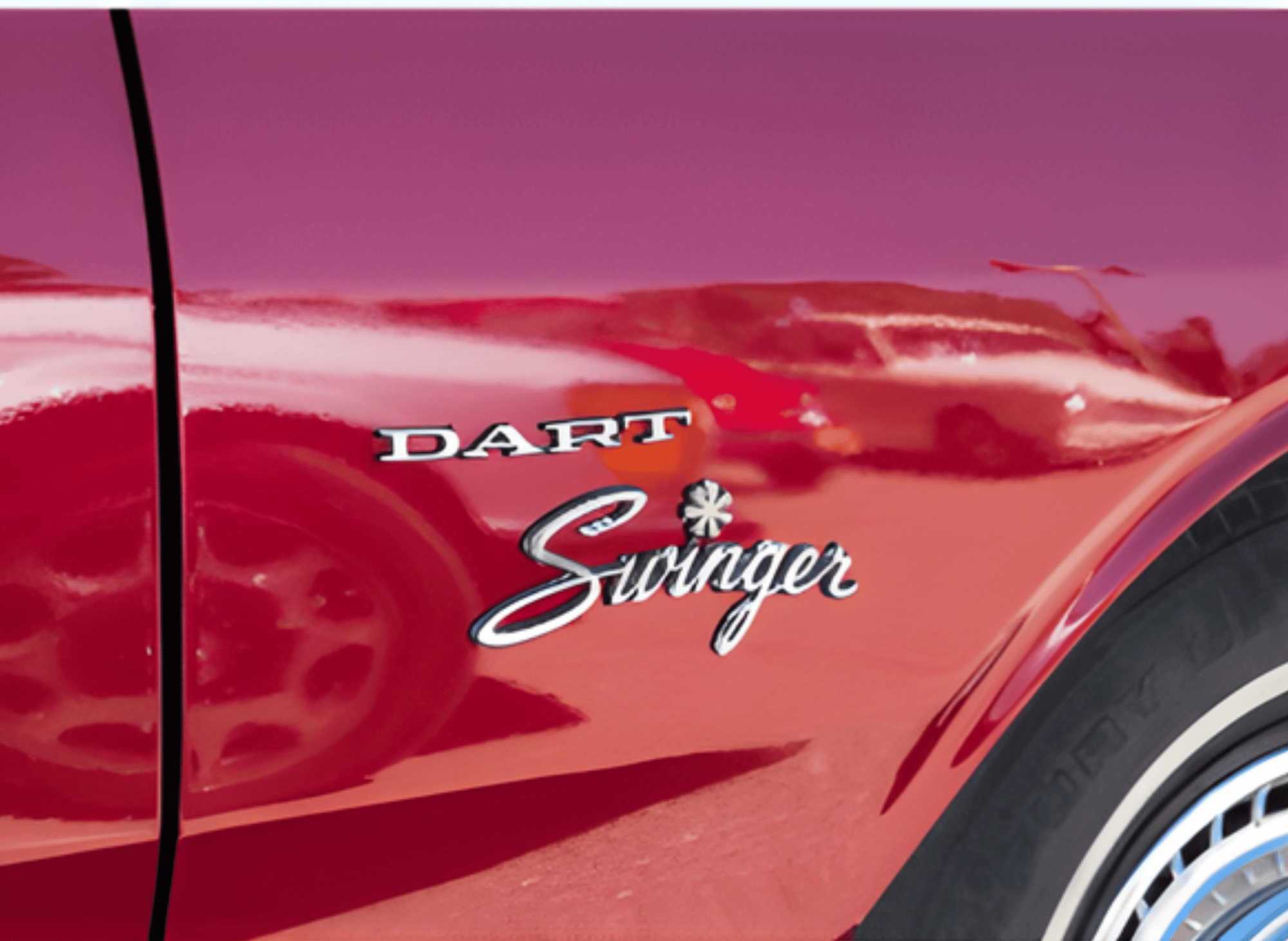
The Swinger's Enduring Legacy
The Dodge Dart Swinger succeeded because it understood its mission. Not every performance car needs exotic materials, six-figure pricing, or race-track validation. Sometimes the best formula combines accessible pricing, proven engineering, and enough personality to stand out from anonymous transportation. The Swinger also earned a reputation as a "street-fighting sleeper" thanks to its unassuming looks and strong performance.
Chrysler engineers built these cars to be driven hard and to be easy to maintain. That philosophy created a lasting enthusiast community spanning generations. The Dart Swinger was especially popular among drag racing fans due to its large engine bay and lightweight construction, making it a favorite for modifications and competition. Today, Dodge Darts continue to have a strong following among muscle and drag racing enthusiasts, with owners swapping stories, sharing parts leads, and preserving examples that might otherwise disappear from roads and memory.
For now, the Dart Swinger remains what it always was, proof that performance doesn’t require excess. Its legacy lives on every time someone discovers that a lightweight body, a willing engine, and tight suspension geometry deliver more satisfaction than raw horsepower numbers suggest. That lesson remains relevant whether you’re hunting for a project car or simply appreciating the more attainable heroes of automotive history.
The best muscle cars aren’t always the loudest, rarest, or most expensive. Sometimes they’re the ones that delivered fun without requiring sacrifice, the cars that regular people could actually buy, drive, and enjoy. The Dodge Dart Swinger embodies that democratic vision of performance, earning its place in automotive history one rear-tire burnout at a time.
Thank you for reading!
Your friend,
Todd
#DodgeDartSwinger 🚗🔥 #ClassicVibes 🕶️✨ #MuscleCarMadness 💪🏁 #VintageRide 🛞🎨 #SwingerStyle 😎🎶 #RetroWheels 🚘📸 #CarEnthusiastDream 🚀💭 #TimelessDesign ⏳🎉 #CruiseInStyle 🌟🛣️ #IconicDodge 🏆🚦
Amazon Prime offers a wide range of products designed to cater to diverse customer needs, all with the added benefit of fast, reliable delivery. From household essentials and groceries to electronics, clothing, and entertainment, Prime members get access to exclusive deals and discounts across various categories.
Additionally, Prime membership includes access to services like Prime Video for streaming movies and TV shows, Amazon Music for ad-free music, and Prime Reading for eBooks and magazines. This comprehensive suite of benefits makes Amazon Prime a convenient and value-packed option for millions of customers worldwide.
- Prime for you, adult
- Free 30-day trial of Prime
- All of Prime, half the price.
- Prime Video
- Wedding Registry
- Kindle Unlimited
- Amazon Music
 Todd Bandel
 Todd Bandel
 Todd Bandel
 Todd Bandel
 Todd Bandel
 Todd Bandel
 Todd Bandel
 Todd Bandel
 Todd Bandel
 Todd Bandel