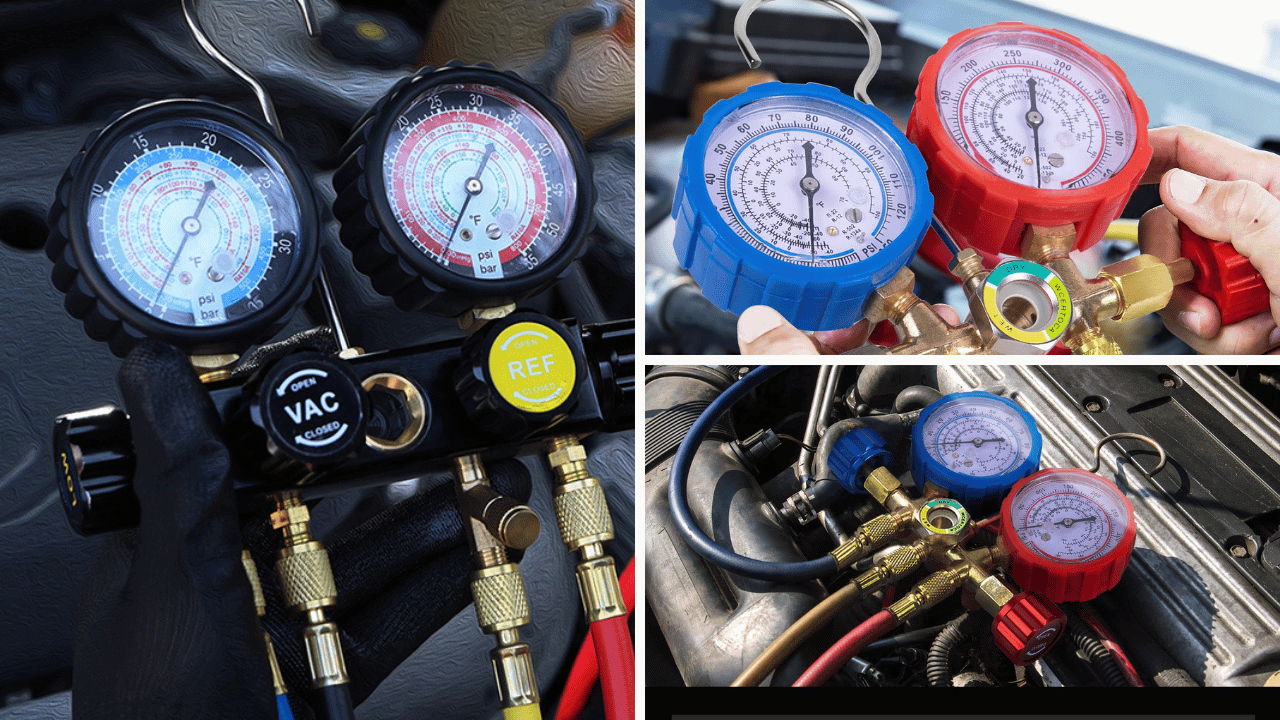
FJC Manifold Gauges: Comparison, Specs & Buying Guide
FJC manifold gauges offer pro aluminum A/C sets with anti-flutter gauges, sight glass, and hoses for R-134a and R-1234yf.

If you service automotive or light-duty HVAC systems, a quality manifold gauge set is one of the most important tools on your bench. FJC has built a solid reputation for delivering reliable, well-priced A/C service equipment, and their manifold gauge lineup covers everything from legacy R-12 work to the newest R-1234yf vehicles rolling into your shop.
This guide compares six specific FJC manifold gauge sets, part numbers 6855, 6851, 6715, 6697, 6850, and 6799, side by side. You will find a detailed specification chart, individual product summaries, and practical guidance on use and maintenance to help you choose the right set for your workflow.
Quick Overview of FJC Manifold Gauge Sets
Manifold gauges are used to diagnose and service refrigeration and air-conditioning systems. Whether you are topping off refrigerant in a passenger car or performing a full evacuation on a commercial cooler, the manifold gauge set is the tool that ties everything together.
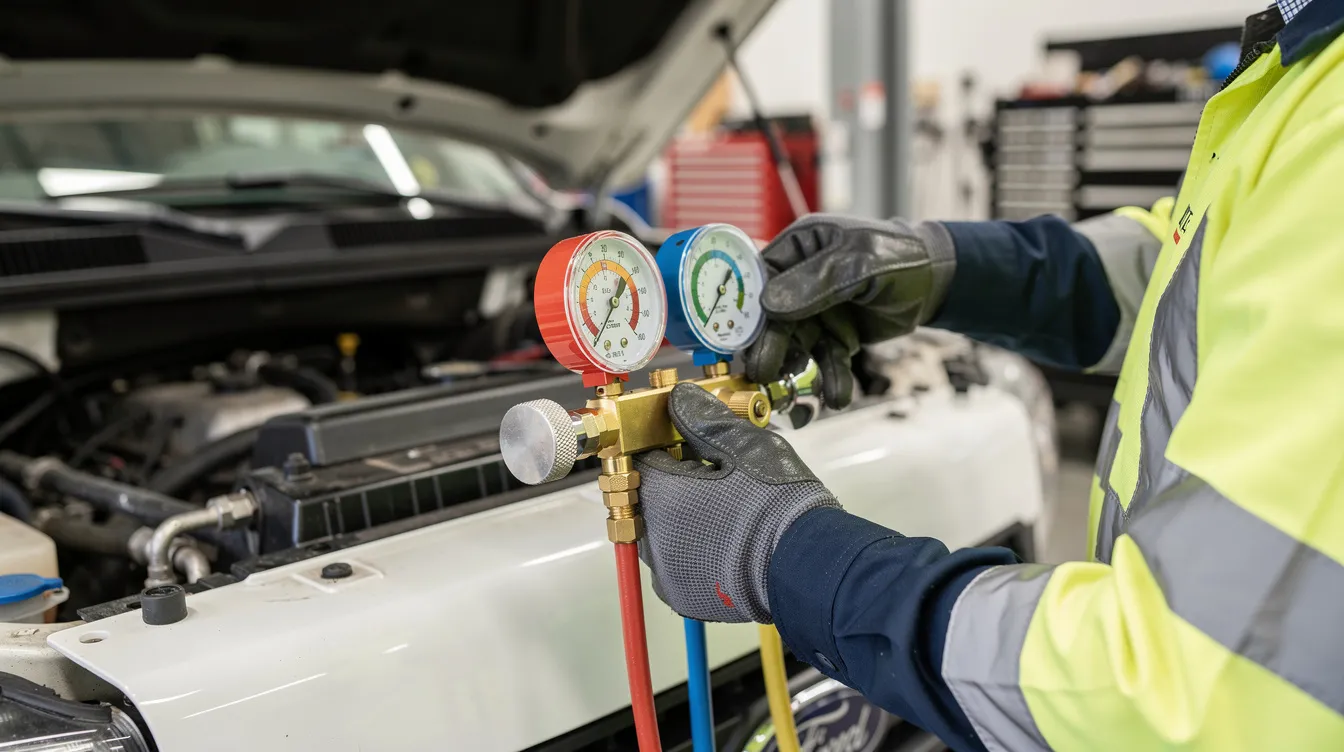
A standard manifold gauge set is a control hub for monitoring pressures in a refrigerant loop. It consists of:
- A manifold body (aluminum or brass block with internal passages and hand-operated valves)
- A low-side gauge (blue) that reads vacuum and suction pressure
- A high-side gauge (red) that reads discharge pressure
- Three color-coded hoses (blue for low side, red for high side, yellow for service/charging)
- Fittings or couplers that attach to the vehicle's or system's service ports
Technicians use manifold gauges for refrigerant recovery, evacuation, and charging. They are also commonly used in automotive air conditioning work and during installation and service of HVAC systems. A manifold gauge set connects to an A/C or refrigeration system, and the manifold gauges measure low-side and high-side pressures so you can determine exactly what is happening inside the refrigerant circuit.
Here are the six FJC part numbers covered in this guide:
- FJC 6855 – Dual aluminum manifold gauge set for R-1234yf and R-134a with 72-inch hoses and manual couplers
- FJC 6851 – Aluminum manifold gauge set for R-1234yf with 72-inch hoses and quick couplers
- FJC 6715 – Brass manifold gauge set for R-134a with 72-inch hoses and quick couplers
- FJC 6697 – Aluminum manifold gauge set for R-134a, R-12, and R-22 with 72-inch hoses
- FJC 6850 – Aluminum manifold gauge set for R-1234yf with 72-inch hoses and manual couplers
- FJC 6799 – Heavy-duty aluminum manifold gauge set for R-134a with extra-long hoses and 80 mm gauges
A detailed comparison chart with specifications, refrigerant type, hose length, gauge style, fittings, and extras appears in the next section to help you choose quickly.
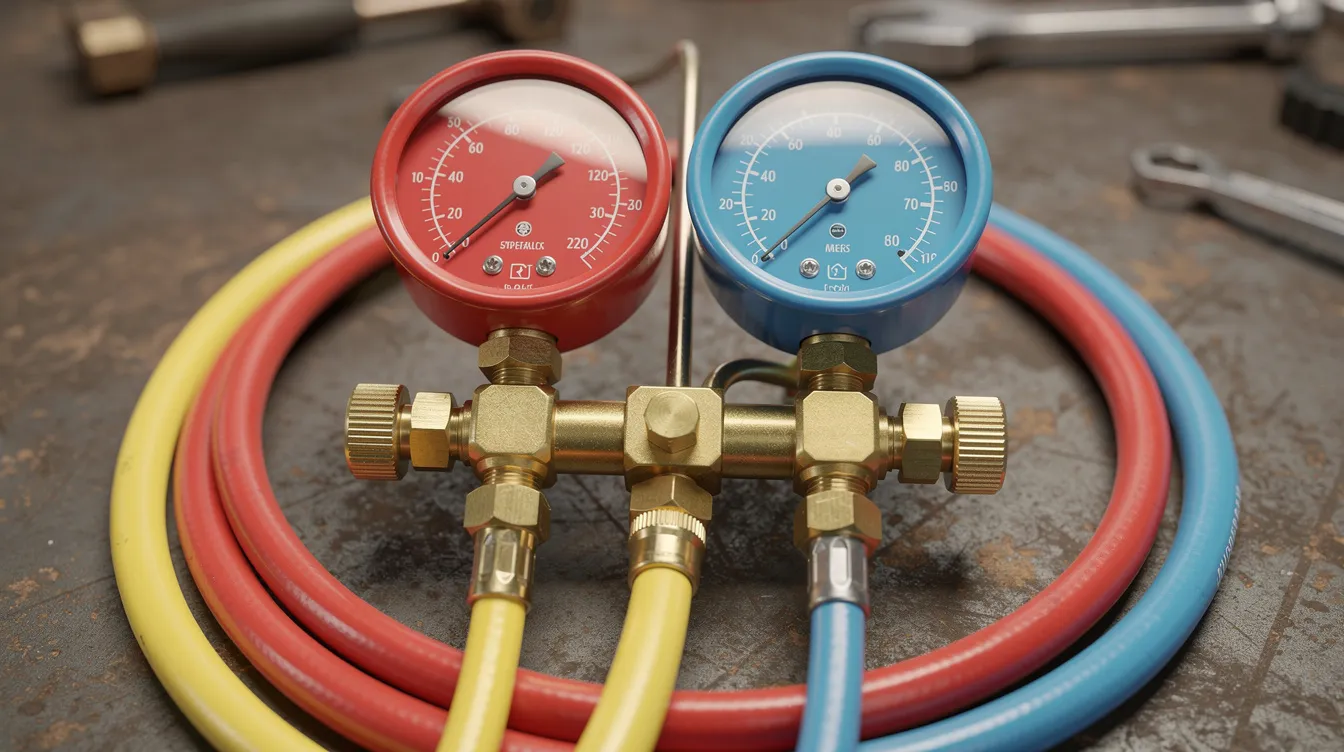
Side-by-Side Comparison Chart: FJC Manifold Gauges & Gauge Sets
The chart below compares all six FJC items by their core specifications. Use it to zero in on the item that matches your refrigerant needs, workspace, and budget.
Here are a few key differences the chart reveals:
- Refrigerant flexibility. The FJC 6855 is the only set that handles both R-1234yf and R-134a out of the box. The FJC 6697 covers three older refrigerants (R-134a, R-12, R-22) but does not support R-1234yf.
- Hose length. Five of the six sets use 72-inch hoses. The FJC 6799 stands apart with 10-foot high- and low-side hoses and an 8-foot service hose; long hoses are beneficial for accessing hard-to-reach service ports in large vehicles or cramped bays.
- Material and weight. Manifold block materials include aluminum and brass for durability. The FJC 6715 is the only brass manifold in this lineup, offering superior corrosion resistance at the cost of extra weight.
All compared items are FJC-branded manifold gauge solutions. No competitor products appear in this chart.
It is also worth noting a related FJC product not featured in the main chart: the FJC 6750 is a dual manifold gauge set compatible with R12 and R134a systems. The gauge set has a black and chrome finish. Based on reviews, the FJC 6750 has a customer rating of 3.9 out of 5 stars, making it a decent mid-range option if you work primarily on older vehicles and want a clean aesthetic.

Individual Product Summaries: Choosing the Right FJC Manifold Gauge Set
The following summaries explain what each part number does best, so you can pick the right manifold gauge set from the chart above. The gauge set must be compatible with the refrigerants being serviced to avoid contamination, so matching your primary refrigerant is the first decision.
Remember that the high-side gauge reads high-side discharge pressure, while the low-side gauge reads vacuum and low-side suction pressure. A center hose connects to a recovery machine or vacuum pump. Keeping these basics in mind will help you evaluate what each set brings to the table.
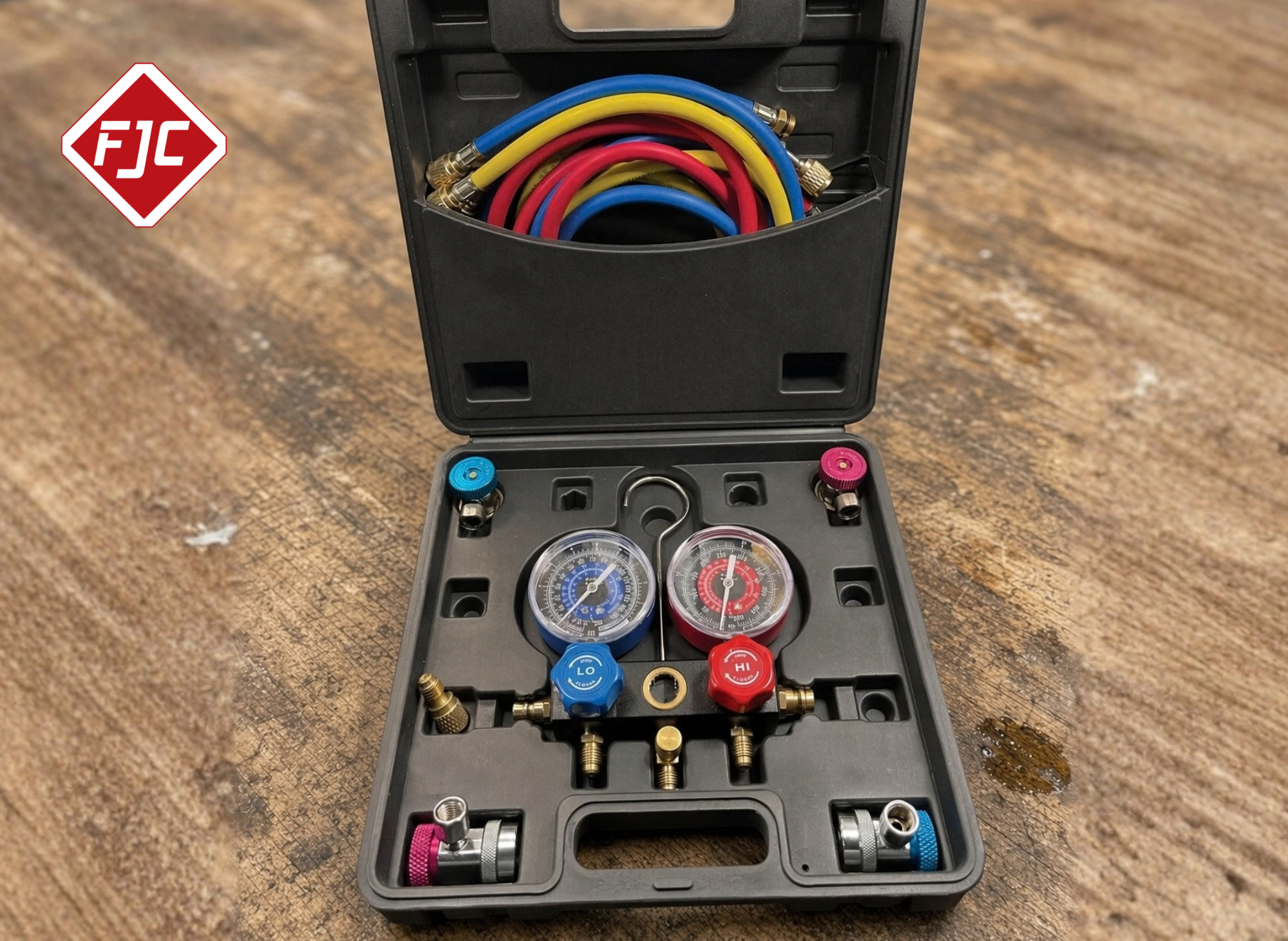
FJC Manifold Gauge Kits 6855
Air Conditioning Service Tool Replacement Parts, Manifold Gauge Kit, Aluminum Manifold, Manual Couplers, R-1234yf/R-134a. Kit
FJC 6855 – R-1234yf / R-134a Dual Aluminum Manifold Gauge Set
- Compatible with both R-1234yf and R-134a, which makes it the most versatile set in this lineup. If your shop handles a mixed fleet of older and newer vehicles, this is the one to consider.
- Aluminum manifold body with color-coded handwheels, front-operated valves, and side hose hangers for organization.
- Comes with three 72-inch color-coded charging hoses and manual couplers for both refrigerant types, plus hose adapters so you can switch between systems.
- Includes a blow-molded carrying case that protects gauges during transport or storage.
- Best suited for professional technicians servicing passenger cars and light trucks across both refrigerant generations. The trade-off is a higher price and more fittings to keep track of.
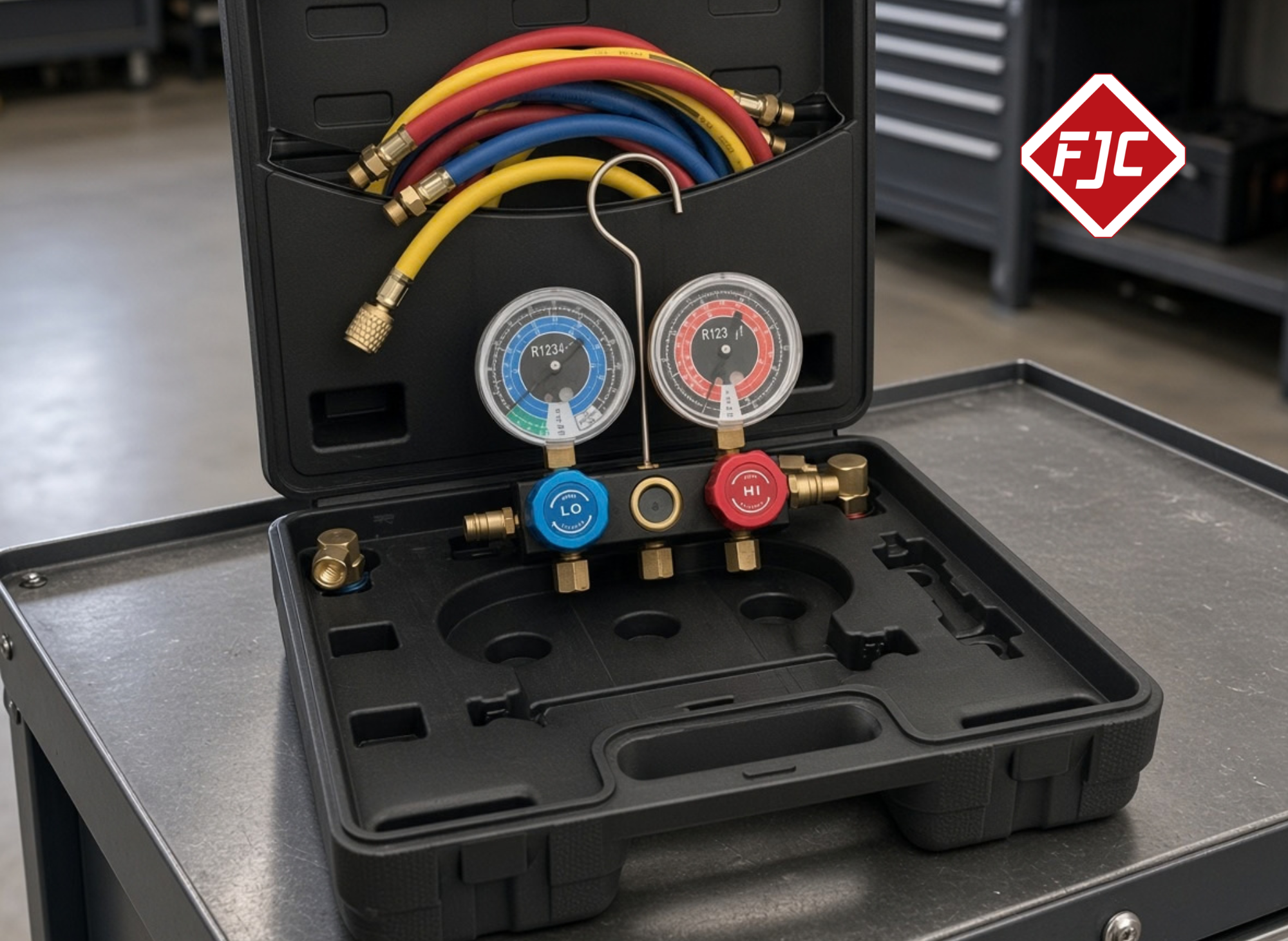
FJC Manifold Gauge Kits 6851
Air Conditioning Service Tool Replacement Parts, Manifold Gauge Kit, Aluminum Manifold, Quick Connect Couplers, R-1234yf. Kit
FJC 6851 – R-1234yf Aluminum Manifold Gauge Set with Quick Couplers
- Dedicated R-1234yf set, so it differs from the 6855 by dropping R-134a compatibility in exchange for quick couplers that speed up hookups significantly.
- Anti-flutter gauges with impact-resistant lenses and recalibration adjustment deliver stable, accurate readings even during pressure fluctuations.
- Positioned as an efficient tool for shops where R-1234yf vehicles dominate the workload. Quick couplers reduce the risk of cross-threading and help you hold a secure connection on every service port.
- Includes a blow-molded case. If you only occasionally service R-134a, you may need to add a separate set or adapters.
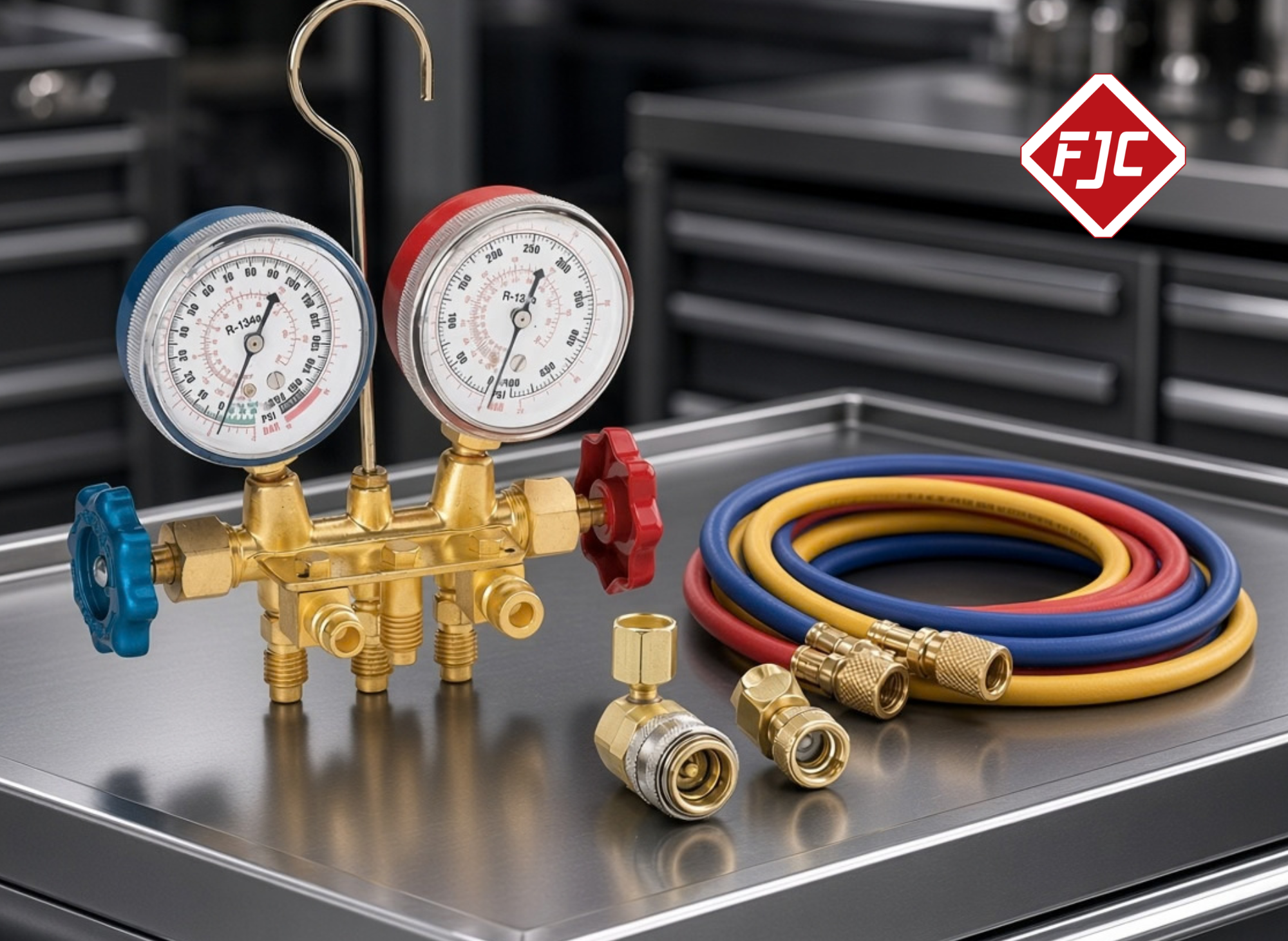
FJC Manifold Gauge Kits 6715
R-134a brass manifold with 72" hoses - quick couplers
FJC 6715 – Brass R-134a Manifold Gauge Set with Quick Couplers
- This is FJC's brass manifold option for R-134a. Brass construction resists corrosion better than aluminum and gives the manifold a premium, shop-grade feel.
- Ships with three 72-inch hoses and quick couplers for R-134a high- and low-side ports.
- No R-1234yf compatibility, so it is best for technicians who still do a high volume of R-134a work and want a manifold built to last in harsher environments.
- Packaging is more basic (no blow-molded case), which keeps the price lower for a brass-bodied set. Worth considering if you value durability over accessories.
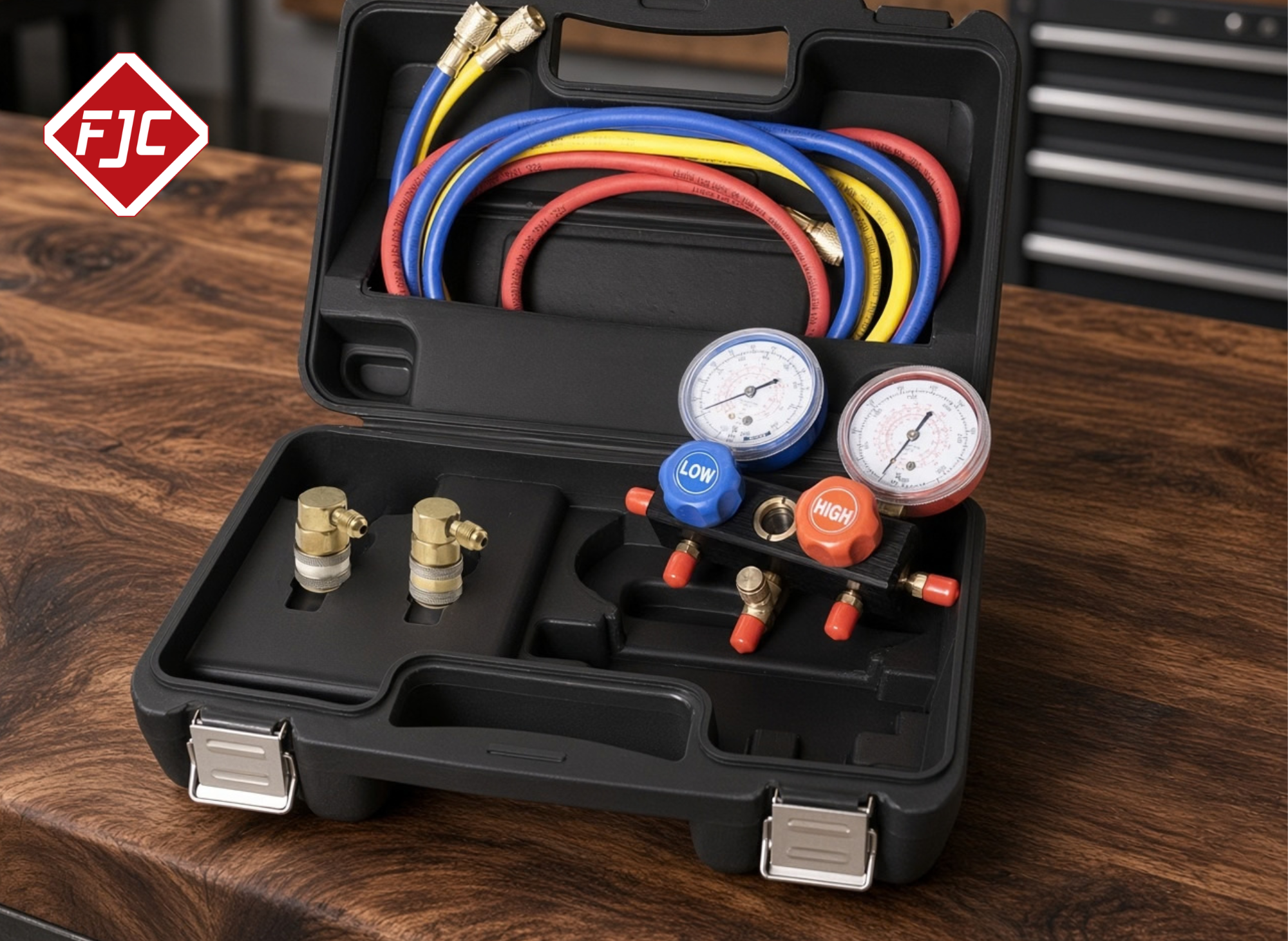
FJC Manifold Gauge Kits 6697
Air Conditioning Service Tool Replacement Parts, Manifold Gauge Kit, Aluminum Manifold, Quick Connect Couplers, R-12/R-134a. Kit
FJC 6697 – R-134a / R-12 / R-22 Dual Gauge Set Aluminum Manifold
- Covers three refrigerants: R-134a, R-12, and R-22. This makes it the go-to set for servicing legacy vehicles and older commercial refrigeration equipment.
- Aluminum manifold with quick couplers for R-134a; R-12 and R-22 connections may require additional adapters found in the FJC catalog.
- Sight glasses on some connected equipment allow technicians to visually inspect refrigerant flow, and having gauges calibrated to the correct scales is critical; incorrect pressure scales lead to dangerous misdiagnoses in refrigeration systems.
- As R-12 and R-22 are increasingly restricted, this set fills a niche role. If you rarely encounter these refrigerants, your money is better spent on a forward-looking R-1234yf or dual set.
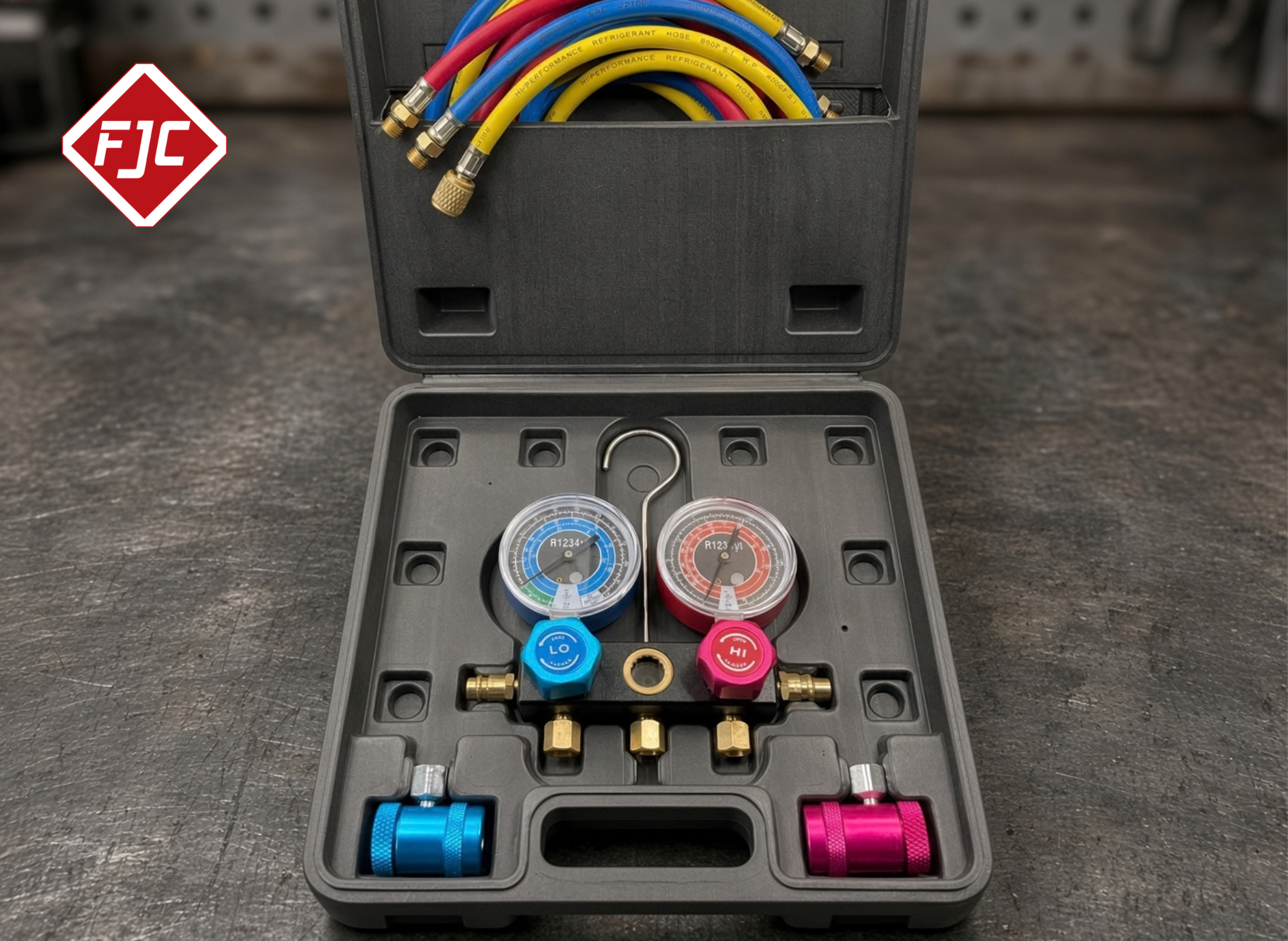
FJC Manifold Gauge Kits 6850
Air Conditioning Service Tool Replacement Parts, Manifold Gauge Kit, Aluminum Manifold, Manual Couplers, R-1234yf. Kit
FJC 6850 – R-1234yf Aluminum Manifold Gauge Set
- Think of the 6850 as the budget counterpart to the 6851. Same R-1234yf focus, same 72-inch hoses, same anti-flutter gauges, but with manual couplers instead of quick couplers.
- Includes a blow-molded carrying case for protection.
- A solid entry point if you are servicing R-1234yf systems on a tighter budget and do not mind the extra few seconds it takes to thread manual fittings.
- Good for technicians building out their R-1234yf toolkit who plan to add quick couplers later as a separate purchase.
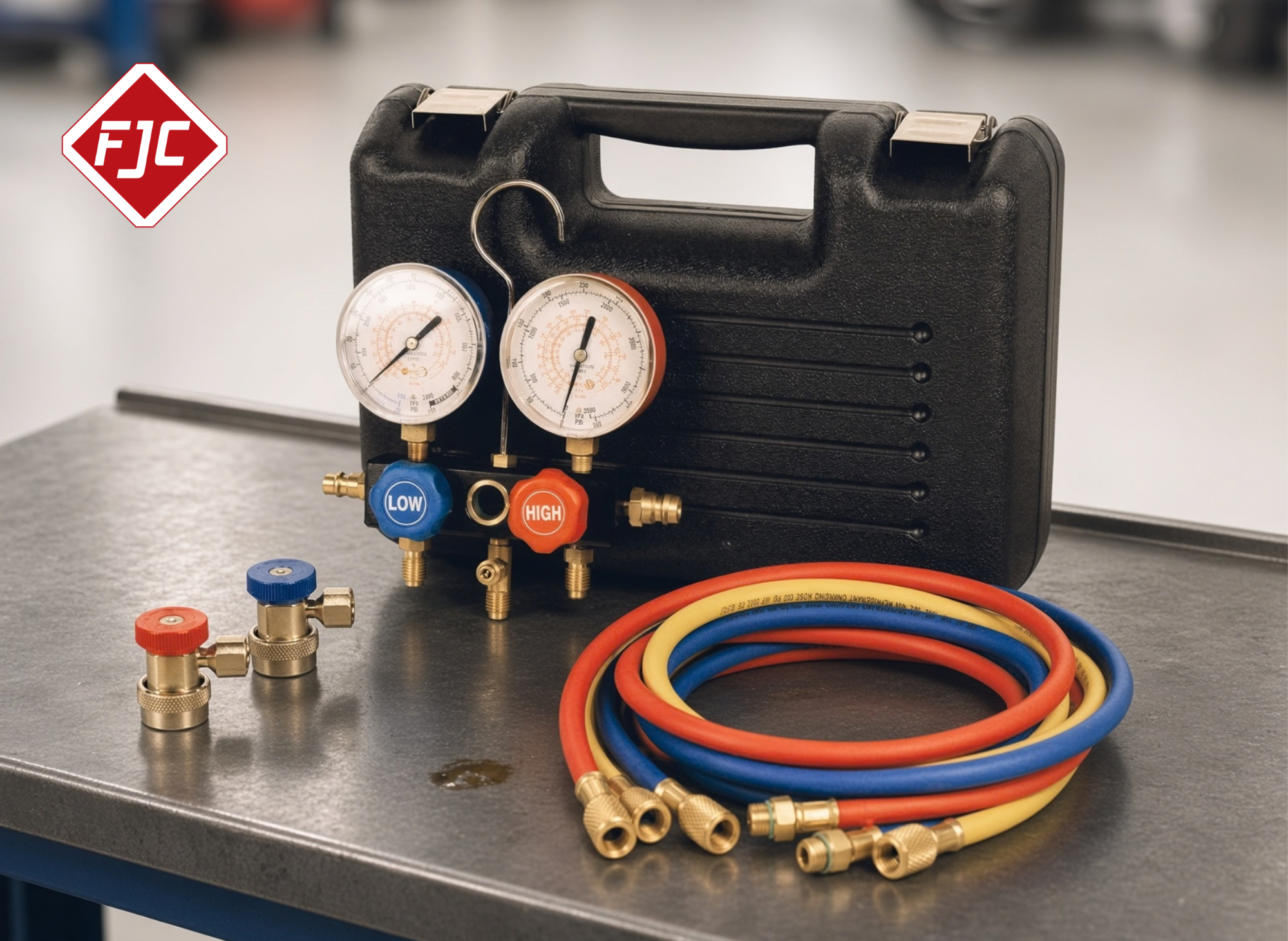
FJC Inc. Air Conditioning Service Tools 6799
R-134a heavy-duty gauge set with 10' red and blue hoses, 8' yellow hose, and 80mm gauges - manual couplers - all in a plastic case
FJC 6799 – HD R-134a Aluminum Manifold Gauge Set
- The heavy-duty option in FJC's R-134a lineup. Hoses are dramatically longer: 10 feet on both the red and blue sides, 8 feet on the yellow service hose.
- Extra-large 80 mm gauge dials (approximately 3-1/8 inches) improve readability from across a shop bay, helpful when you are under the hood and the manifold is sitting on a cart several feet away.
- Manual couplers for R-134a and a blow-molded case round out the package.
- Best for large service bays, fleet shops, or mobile technicians who need reach. The added hose length does mean more weight and slack to manage, so this set is overkill for occasional DIY use.
How to Choose
- Match your refrigerant. If you primarily service R-1234yf vehicles, the 6851 or 6850 will cover you. For mixed fleets, choose the 6855. For legacy R-12/R-22 work, the 6697 fills the gap.
- Consider hose length and gauge size. Standard 72-inch hoses work for most automotive scenarios. If you need extra reach, the 6799 delivers.
- Balance budget vs. frequency of use. Quick couplers save time on high-volume days but cost more. Manual couplers keep the price down and are perfectly fine for occasional servicing. These FJC manifold gauge sets can be found at retailers like Amazon and Walmart, and many are shipped directly from third-party sellers. Always check delivery estimates and account for any return policies before committing.

How to Use and Maintain Your FJC Manifold Gauge Set
Accurate pressure readings are essential for preventing system contamination. Every time you connect a manifold gauge set to a vehicle or refrigeration unit, you are relying on that accuracy to make decisions about charging levels, leak detection, and compressor health. Taking a few minutes to inspect, set up correctly, and maintain your gauges pays for itself in reliable readings and longer tool life.
Pre-Use Inspection
- Check all three hoses for cracks, kinks, or signs of wear, especially near the fittings. A compromised hose cannot hold pressure and may introduce contaminants.
- Verify that gauge needles sit at zero with no pressure applied. If they do not, use the recalibration adjustment screw (included on most FJC models) to bring the needle back to zero before connecting.
- Inspect fittings and couplers for debris, damaged threads, or worn O-rings. Couplers must securely attach to high- and low-side service ports without leaking.
Setup and Connection
- Connect the blue hose to the low-side service port, the red hose to the high-side service port, and the yellow center hose to your refrigerant source, vacuum pump, or recovery machine. Hoses are typically color-coded: blue for low side and red for high side, so there is little room for error if you follow the colors.
- Confirm that both manifold valves are closed (turned fully clockwise) before opening any service port valves on the vehicle.
- Once connected, open the service port valves and read the static pressures on both gauges before starting the engine or compressor.
Basic Manifold Gauge Operations
- Reading system pressure. The pressure readings help determine if the refrigeration cycle is operating normally. Compare your readings against the manufacturer's specification chart for the specific refrigerant and ambient temperature.
- Static and running tests. A static test (engine off, system equalized) gives a baseline. A running test (engine on, A/C at max) reveals how the compressor, expansion valve, and condenser are performing.
- Evacuation. Evacuation removes non-condensable air from the refrigeration system before charging. Connect the yellow center hose to a vacuum pump, open both manifold valves, and pull the system to the recommended vacuum level (typically 500 microns or below).
- Charging. After evacuation, connect the yellow hose to the refrigerant source and charge to the vehicle manufacturer's specified weight. Monitor both gauges continuously during charging.
- Technicians diagnose issues like compressor problems or refrigerant leaks using gauge readings. Abnormal high-side or low-side pressures point to specific faults in the system.
Best Practices
- Always verify refrigerant compatibility before connecting your manifold gauge set. Using the wrong set on the wrong refrigerant risks cross-contamination and equipment damage.
- Wear safety glasses and gloves. Refrigerant under pressure can cause frostbite on contact with skin.
- Use proper torque when tightening fittings. Over-tightening damages manifold gauge threads; under-tightening causes leaks.
- Gauges with anti-flutter features stabilize needle readings during pressure fluctuations, but you should still wait for readings to settle before recording values.
- Calibration features ensure long-term accuracy of gauge readings. Even so, periodically compare your gauges against a known-good reference or have them professionally calibrated.
Gauge Set Maintenance and Longevity
- Store the manifold gauge set in its case after every use. This protects gauge lenses, prevents calibration drift from impact, and keeps hoses organized.
- Cap hose ends when not in use to prevent dust, moisture, and oil contamination from entering the system.
- Clean the manifold body and gauge faces with a soft cloth after each job. Avoid solvents that could damage lens coatings.
- Replace worn hoses or O-rings promptly. A hose that cannot hold its rated working pressure is a safety hazard, not just an inconvenience.
- Well-maintained FJC manifold gauges can deliver reliable service for many years of automotive A/C work. Treat them like precision instruments, because that is exactly what they are.
Key Takeaways
- FJC offers manifold gauge sets for every major refrigerant and use case, from the dual-refrigerant 6855 to the heavy-duty 6799.
- Matching the gauge set to your primary refrigerant is the single most important decision. The wrong scales or fittings waste time and create real safety risks.
- Quick couplers speed up high-volume work; manual couplers save money for lower-frequency use.
- Longer hoses and larger gauge dials improve shop-bay ergonomics but add weight.
- Regular inspection, proper storage, and periodic calibration keep any FJC manifold gauge set performing at its best.
Whether you are stocking a professional shop or building a home garage toolkit, investing in the right FJC manifold gauge set saves you time, protects the systems you service, and pays for itself over hundreds of jobs. Review the comparison chart, match the set to your workload, and put your money toward the features that matter most for the vehicles on your lift.
Thank you for reading!
Your friend,
Todd
This site contains affiliate links, and we may earn a commission at no extra cost to you. All recommended products are thoroughly vetted.
FJC 🔧 #ManifoldGauges ❄️ #AutoAC 🚗 #HVACTools 🛠️ #R134a 💨 #R1234yf 🌡️ #MechanicLife 🔩 #ShopTools ⚙️ #ACRepair 💪 #CarTech 🔥
 Todd Bandel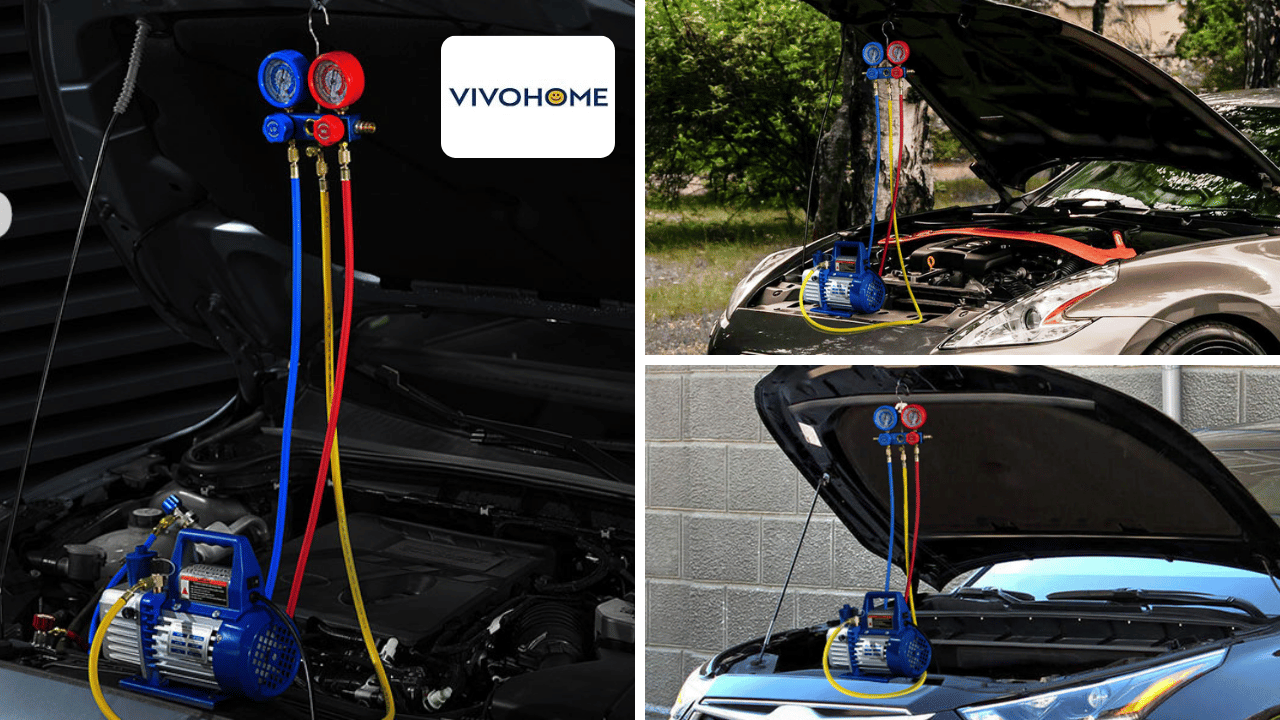
 Todd Bandel
 Todd Bandel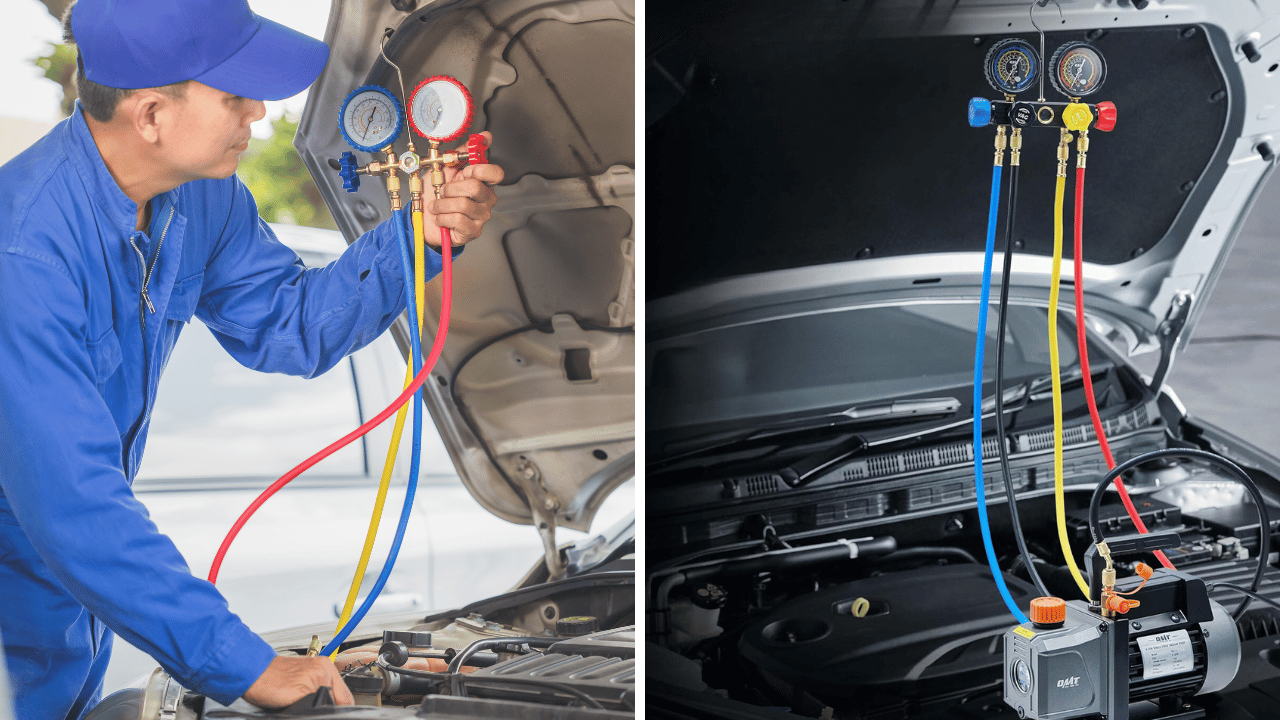
 Todd Bandel
 Todd Bandel
 Todd Bandel