67-69 First Gen Camaro: Chevrolet's Bold Engineering Triumph
1967–1969 Camaro blends bold design, V8 power, racing roots, and timeless style, making it a lasting Chevrolet icon for collectors.

Welcome to Mechanicaddicts. As an Amazon Associate, we earn from qualifying purchases (at no cost to you) from links found within these pages if you choose to buy something.
The first-generation Camaro (1967-1969) was Chevrolet's direct response to the Ford Mustang. Built on the new F-body platform, the first-gen Camaro offered bold styling, powerful engines, and trim levels for every buyer, from daily driver to race-ready Z/28. Today, these models remain among the most collectible American muscle cars.
When Chevrolet introduced the Camaro in September 1966 as a 1967 model, the company wasn't just building a car; it was answering a challenge. The Ford Mustang had reshaped the market, and Chevy needed a worthy rival. What followed was a three-year run that produced some of the most beloved muscle cars in history.
This post explores the complete story of the first-generation Camaro, from its conception and design through its racing heritage, cultural impact, and enduring appeal. Whether you're a prospective Camaro buyer, a restoration enthusiast, or simply a fan of classic Chevrolet styling, you'll find a detailed look at why the 1967, 1968, and 1969 models still captivate collectors today.
By the end, you'll understand what made each model year unique, which engines and components defined the era, and what to look for when bringing one of these legends back to life.
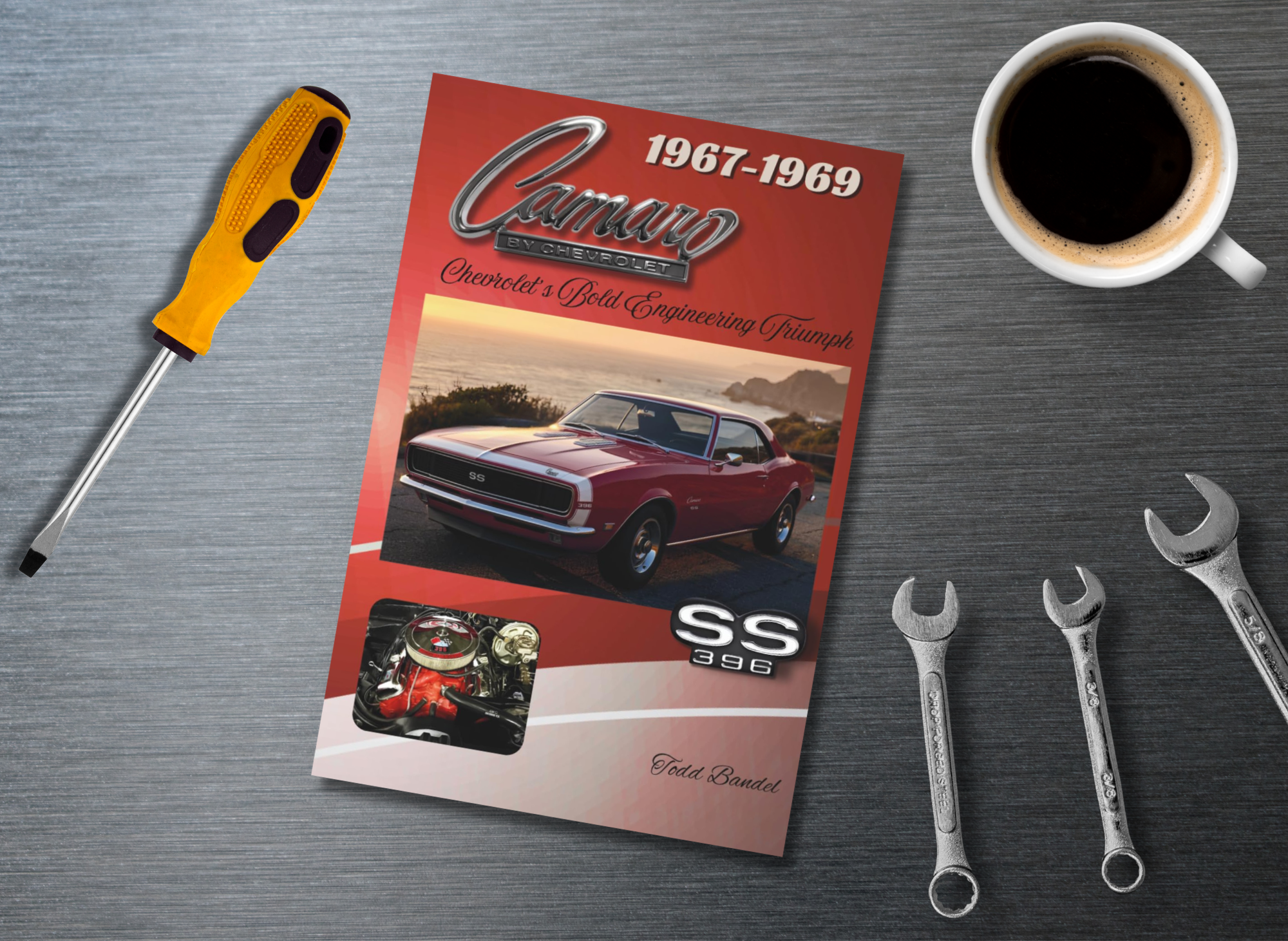
1967-1969 Camaro: Chevrolet’s Bold Engineering Triumph
Originally conceived under the secretive Panther moniker, the first-generation Camaro was a rapid, revolutionary response that utilized innovative vehicle architecture and striking styling.
How Did the First-Generation Camaro Models Come to Be?
The story of the first-gen Camaro begins with competition. Ford launched the Mustang in 1964, and within two years, it had sold over a million units. General Motors couldn't ignore that kind of success. Chevrolet responded by developing a new vehicle on a fresh platform, the F-body, which it would later share with the Pontiac Firebird.
The name "Camaro" itself sparked curiosity. When asked what it meant, Chevrolet executives joked it was "a small, vicious animal that eats Mustangs." In reality, the name was chosen to sound sporty and distinctive.
The design team gave the Camaro a long hood, short rear deck, and aggressive grille. This styling borrowed cues from the Corvette while staying affordable for everyday buyers. The body was offered as both a coupe and a convertible, giving customers flexibility in how they wanted to enjoy the car.
From the start, Chevrolet planned for choice. The Camaro could be ordered as a mild six-cylinder daily driver or built up into a serious performance machine. This flexibility would become a defining trait across all three model years.
What Made the 1967 Chevrolet Camaro Set the Standard?
The inaugural 1967 model arrived with a clear mission: beat the Mustang at its own game. Chevrolet offered the car with an enormous range of options, allowing buyers to configure nearly every aspect of their vehicle.
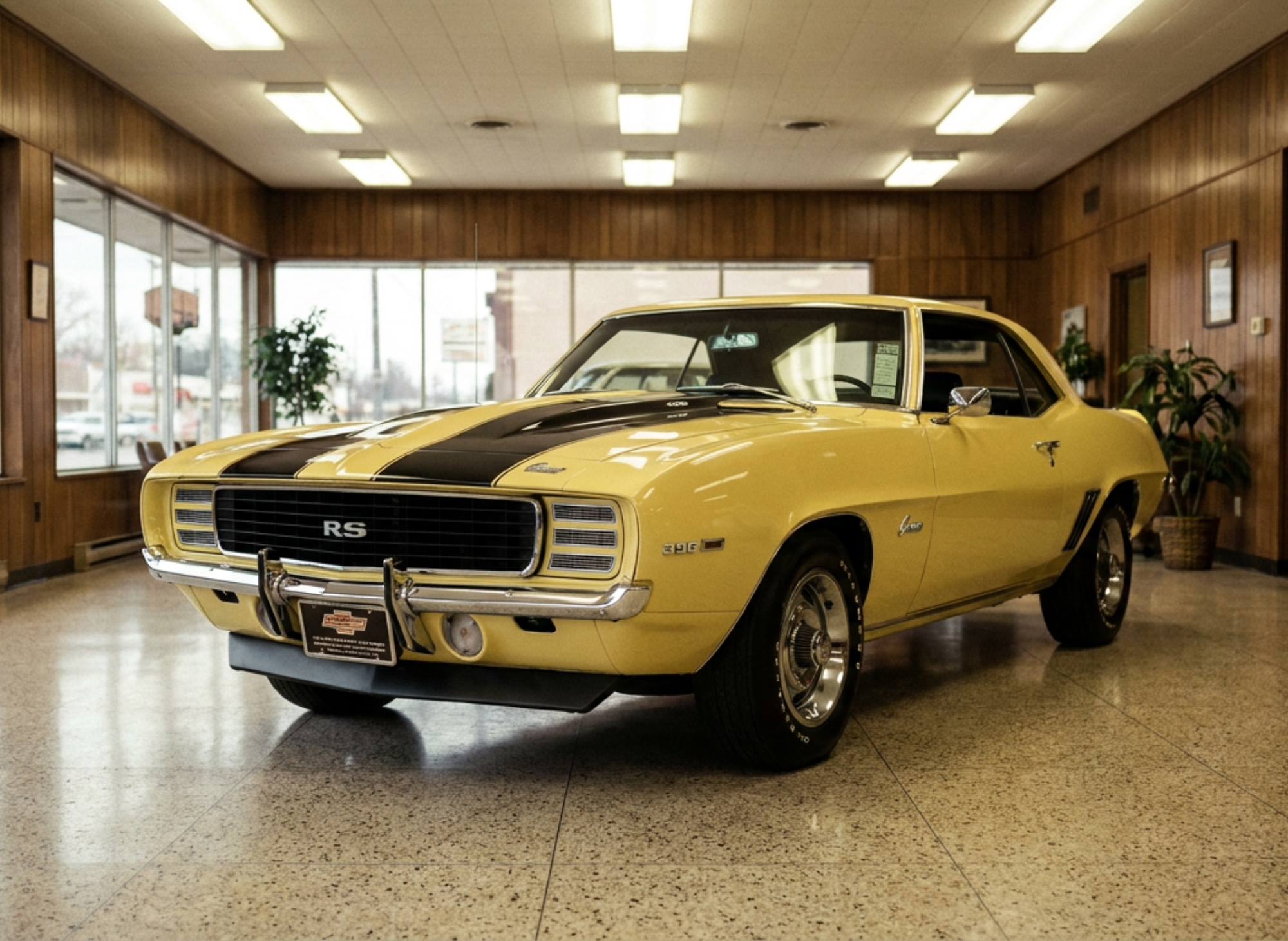
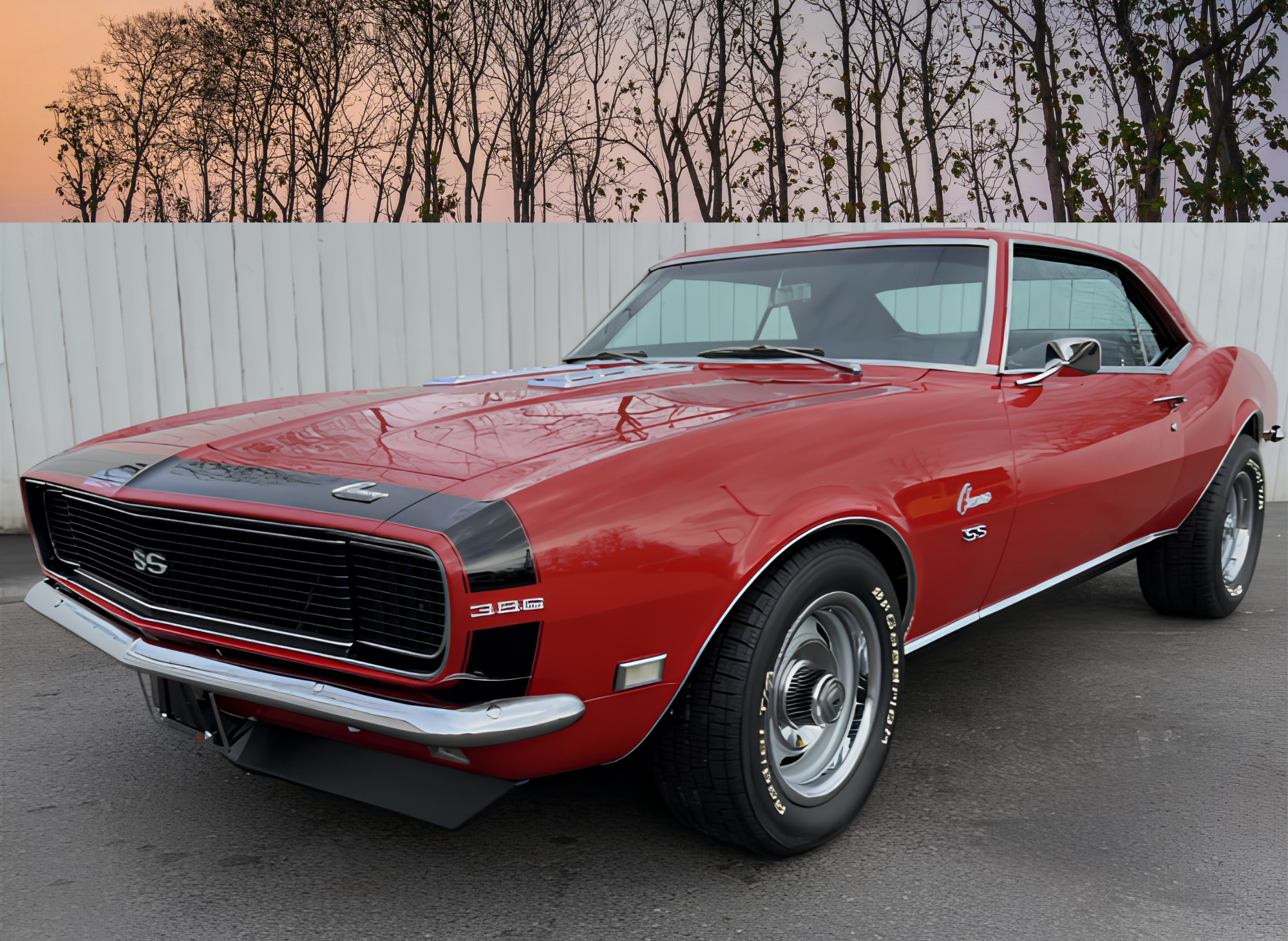
Engine choices ranged from a modest 230-cubic-inch inline-six to powerful V8S. The SS (Super Sport) package added a 350- or 396-cubic-inch engine, a special hood, and bold striping. The RS (Rally Sport) trim brought hidden headlights behind a unique grille, giving the front end a clean, upscale look.
Inside, the 1967 Camaro featured a simple but functional cabin. Buyers could choose from several interior colors, add a center console, and select bucket seats. The wing windows on the doors, small triangular panes ahead of the main windows, were a period-correct detail that many owners still appreciate today.
Disc brakes were available as an option, a meaningful upgrade over the standard drum setup. The fuel tank, suspension components, and rear axle could all be tailored to match the buyer's intended use. Production for the 1967 model year was strong, and the car quickly earned a loyal following.
The most exciting addition came late in the year: the Z/28. Built for racing, this package paired a high-revving 302-cubic-inch engine with an upgraded suspension and disc brakes. It was the first time the Z28 badge appeared, and it would go on to become legendary.
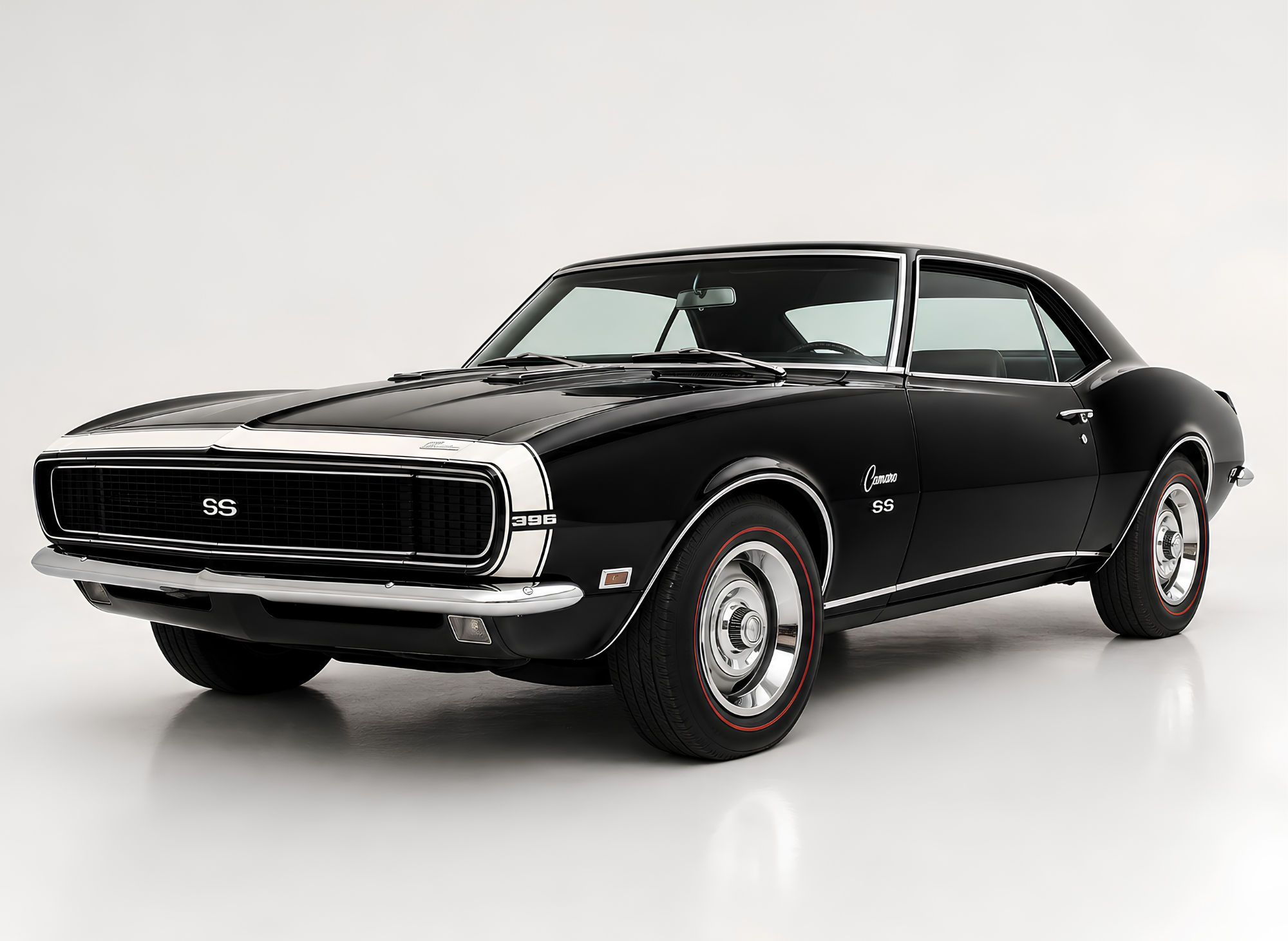
How Did the 1968 Camaro Improve on the Original?
The refined 1968 model brought subtle but meaningful changes. The most visible update was the removal of the wing windows, which gave the doors a cleaner profile. Chevrolet also added side marker lights to comply with new federal safety rules. 1968 cars also used square side mirrors instead of the earlier round design, a mid-year visual detail enthusiasts often note.
Under the body, the 1968 Camaro received improved suspension geometry with multi-leaf rear springs replacing the single-leaf setup. This change improved handling and reduced wheel hop during hard acceleration, a common complaint with the 1967 model.
Engine options continued to expand. The Z/28 returned with its 302 engine, and the SS models offered more power than ever. Buyers could still choose between the coupe and convertible body styles, and the trim levels remained generous. The RS package continued to offer hidden headlights, though the mechanism was revised for reliability.
Interior updates were modest. The console design was refined, and new interior colors were introduced. Astro Ventilation, a flow-through system, was added, partly to justify removing the wing windows.
Sales remained healthy throughout 1968, with 235,147 Camaros built. The car had found its identity, and Chevrolet was confident enough to make only incremental changes. For many enthusiasts, 1968 represents the sweet spot of the first generation: more refined than the 1967, but free of the more dramatic restyling that came next.
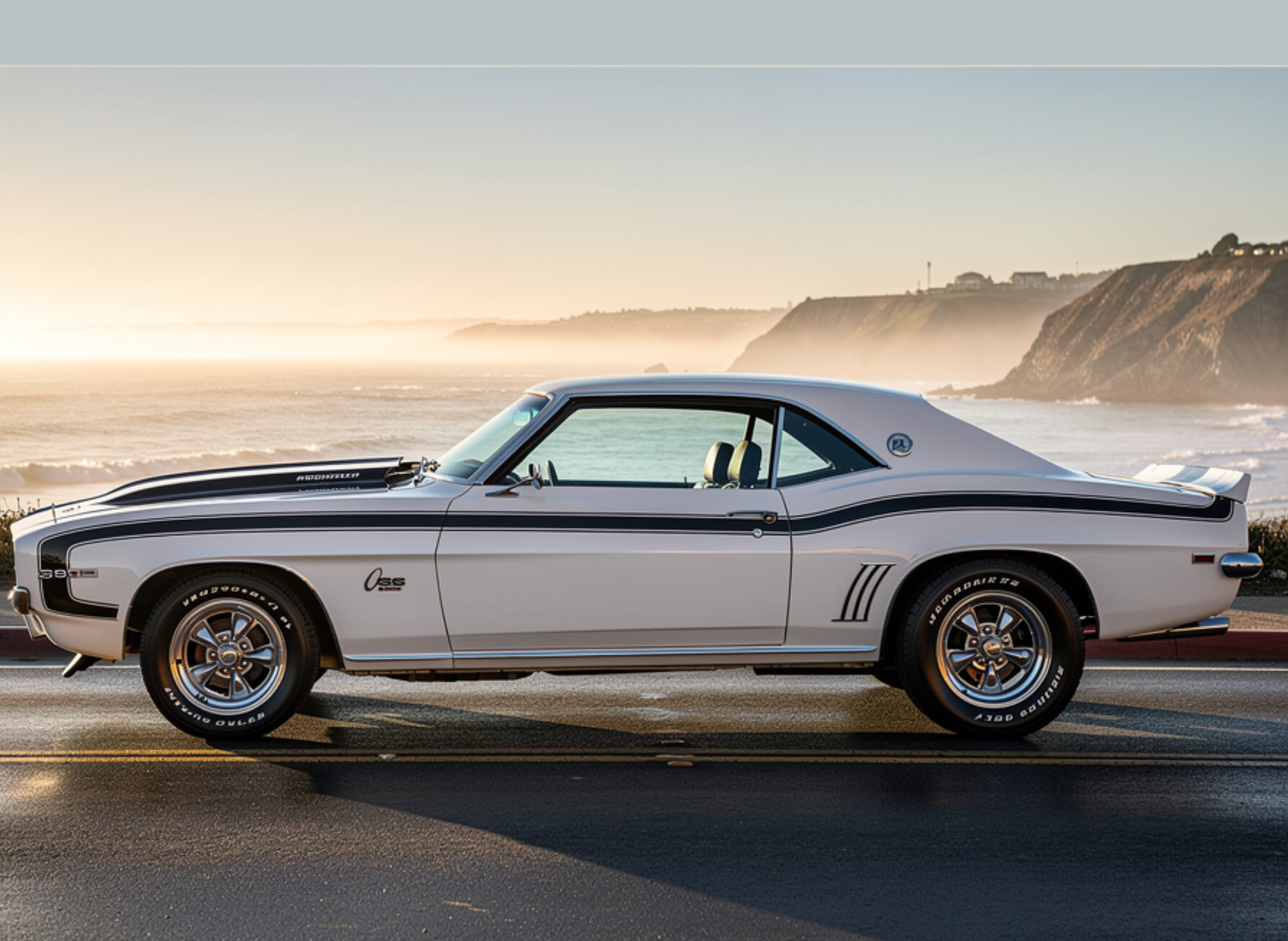
Why Is the 1969 Camaro Considered the Peak of the First Generation?
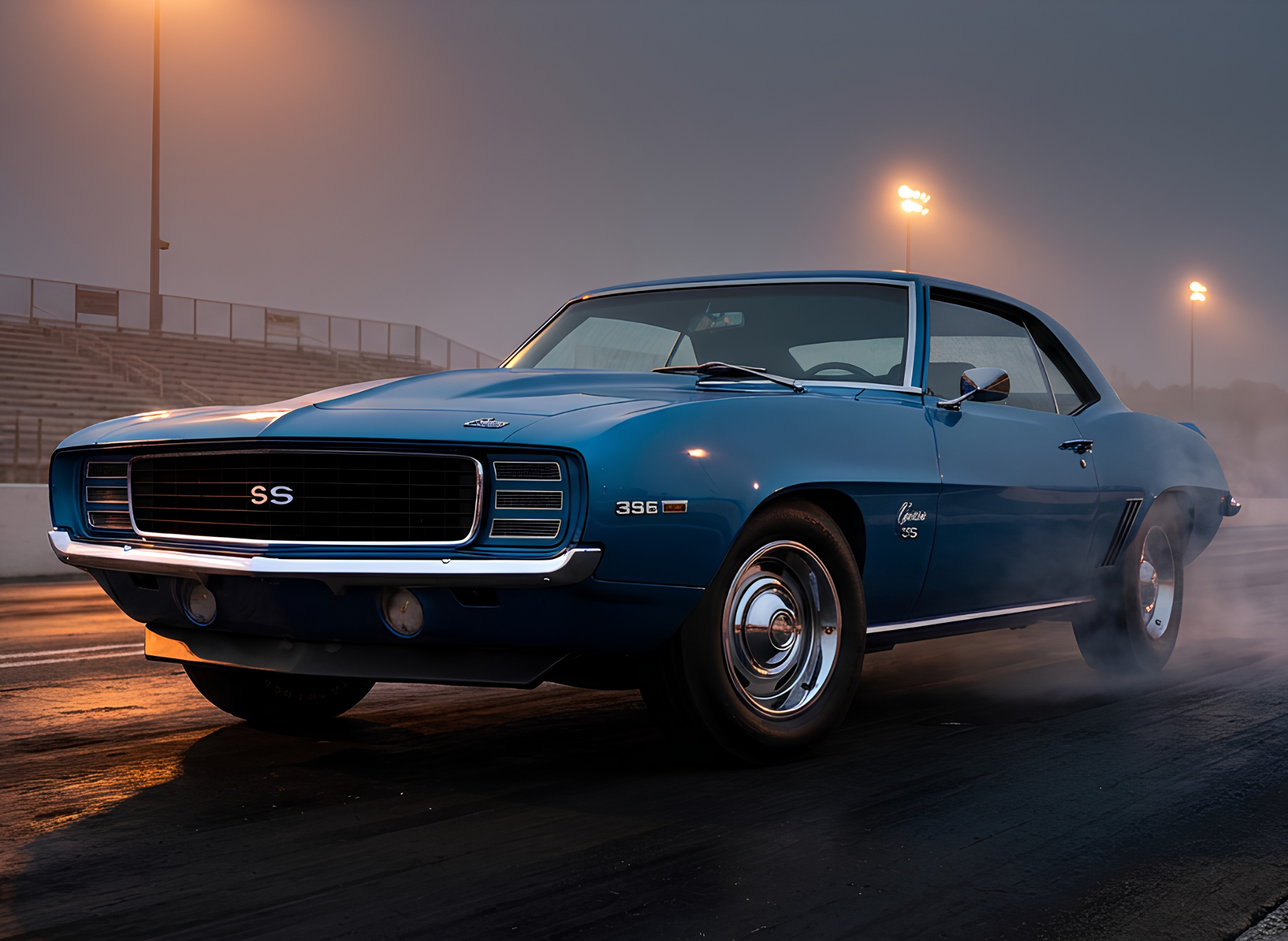
The iconic 1969 model is, for many, the high point of the entire first-gen run. Chevrolet gave the car a more aggressive, sculpted body with reshaped fenders and a wider grille. The styling was so well-received that it has influenced Camaro design for decades.
Engine offerings peaked in 1969. Alongside the familiar small-block and big-block V8 engines, Chevrolet introduced the rare COPO Camaros. These special-order cars, built through the Central Office Production Order system, came with a 427 cubic-inch engine that made them dominant on the drag strip. The ZL1 version used an all-aluminum 427 for serious weight savings.
The Z/28 remained the road-course champion with its 302 engine, four-wheel disc brakes available as an option, and tuned suspension. The SS and RS packages could be combined, giving buyers both performance and upscale styling in one vehicle.
The 1969 model also saw the famous Pace Car edition, built to commemorate the Camaro's role at the Indianapolis 500. These convertibles featured white paint, orange striping, and distinctive interiors.
Because of an extended production run, Chevrolet stretched 1969 sales into late 1969 while preparing the second generation; most Camaros from this era are 1969 models. This makes them slightly more available to buyers today, though the rarest variants command extraordinary prices.
What Engineering Innovations Defined the First-Gen Camaro?
The first-generation Camaro was more than good looks. Several engineering choices made it a genuine triumph for Chevrolet.
- The F-body platform: This unibody structure with a bolt-on front subframe gave the car a strong foundation. The design allowed Chevrolet to offer a wide range of engines and components without redesigning the entire vehicle.
- Engine flexibility: From the economical inline-six to the monstrous 427 V8, the Camaro's engine bay accepted an enormous variety of powerplants. This made it easy for the selling dealer to build a car for any customer.
- Disc brakes: Front disc brakes, available across all three years, gave the Camaro stopping power that matched its speed. The Z/28 could be ordered with four-wheel discs by 1969.
- Weight savings: Performance variants like the ZL1 used aluminum components to cut weight, improving acceleration and handling.
- Suspension refinement: The shift to multi-leaf rear springs in 1968 corrected early handling issues and made the car more composed under power.
Each VIN told a story about how the car was built, and decoding it remains an essential step for any buyer verifying a vehicle's authenticity. Resources like the GM Heritage Center website help owners confirm original specifications and production details.
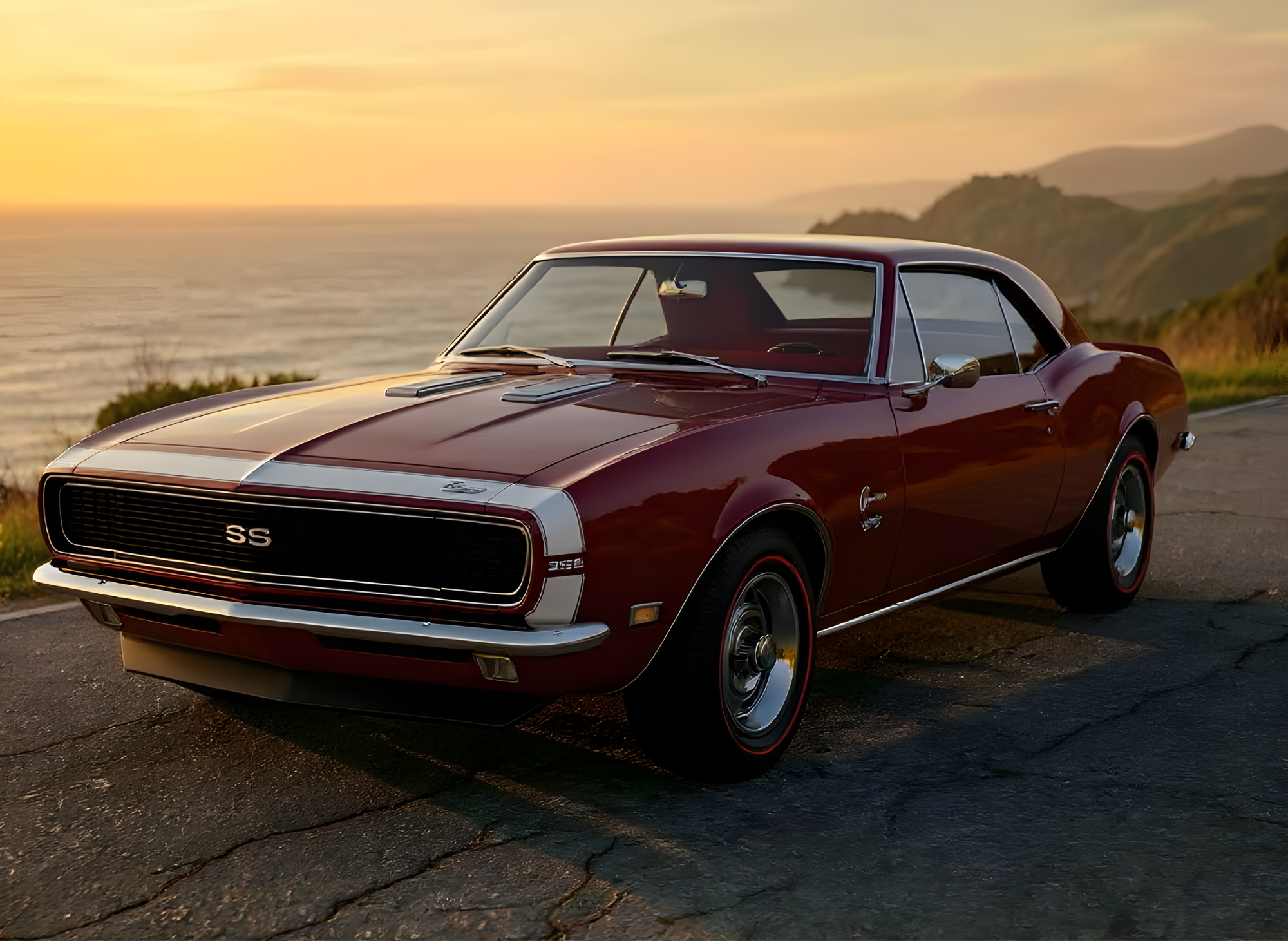
How Did the Camaro Perform in Racing?
Racing was central to the first-gen Camaro's identity. Chevrolet built the Z/28 specifically to compete in the Trans-Am series, which required cars with engines under 305 cubic inches, hence the 302 engine.
On the road courses, the Z28 battled the Mustang and other pony cars throughout the late 1960s. Roger Penske and driver Mark Donohue campaigned Camaros to great success, winning the Trans-Am championship and cementing the car's competitive reputation.
On the drag strip, the COPO and ZL1 Camaros with their 427 engines became feared competitors. These cars were built in tiny numbers, often ordered through a knowledgeable dealer who understood the special-order system. Today, a genuine ZL1 is among the most valuable Camaros ever produced.
This racing heritage wasn't just marketing. The lessons learned on the track, better brakes, stronger suspension, and more efficient engines, fed directly back into the production cars that buyers could purchase.
What Was the Cultural Impact of the First-Generation Camaro?
The first-gen Camaro became more than just a car. It captured the spirit of an era when American muscle ruled the roads. The rivalry between the Camaro and the Mustang divided enthusiasts into loyal camps, a debate that continues among Chevy and Ford fans today.
The Camaro appeared in films, music, and advertising throughout the late 1960s and beyond. Its long hood and muscular stance made it an instant symbol of freedom and power. For young buyers in California and across the country, owning a Camaro meant joining a movement.
The Van Nuys assembly plant in California, along with the Norwood, Ohio facility, produced these cars in large numbers. Yet despite high production, well-preserved examples have become increasingly rare and desirable.
The Camaro's influence extended to Chevrolet's broader lineup. Lessons learned with the F-body informed the company's approach to its trucks, the Corvette, and later vehicles. The car proved that Chevy could build an emotional, exciting product that connected with customers on a personal level.
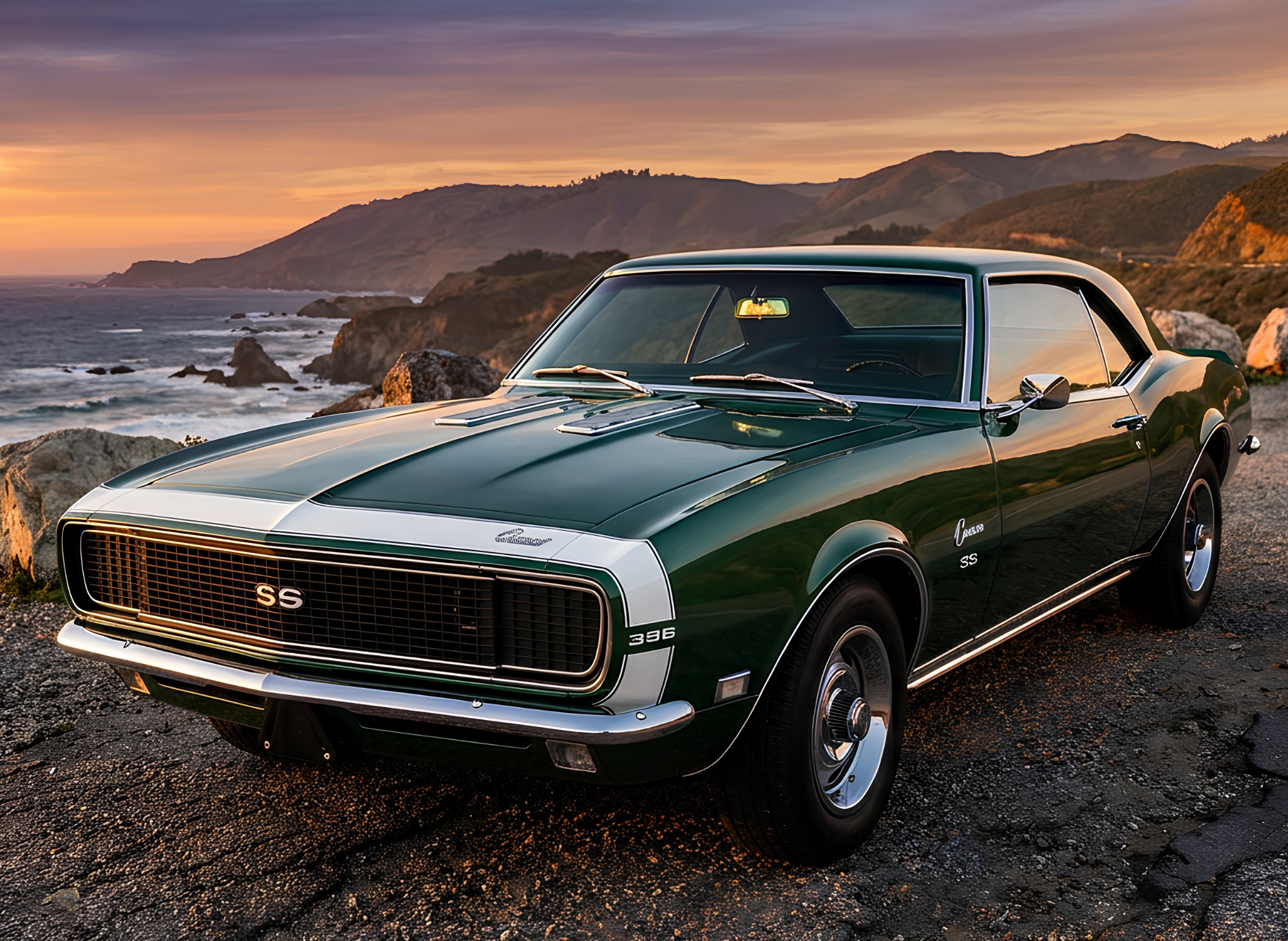
How Do You Restore a First-Generation Camaro?
Restoring a first-gen Camaro is a rewarding but demanding project. Bringing one of these legends back to life requires patience, research, and attention to detail.
Start with the body. Rust is the biggest enemy of these cars, especially in the trunk floor, lower doors, and around the rear window. Inspect the roof, fenders, and frame rails carefully before any purchase, and replace worn sheet metal where corrosion is too severe to save the original panels. A car with a solid body will save an enormous cost down the road.
Next, verify the drivetrain. Match the engine and transmission (trans) to the VIN to confirm the car is what the seller claims it is. Numbers-matching cars command a major premium, so this step protects your investment. If you're restoring one to drive, have a modern wiring harness installed for better safety and reliability.
Source the correct components. Reproduction parts are widely available for most Camaros, from grille assemblies and wheels to interior trim and the fuel tank. For rare variants, original parts can be expensive and hard to find. Many owners turn to specialist suppliers and online communities to locate the right pieces.
Pay attention to detail. The correct interior colors, console design, and even the presence or absence of wing windows all affect a car's authenticity and value. A 1967 with its wing windows intact, or a 1968 with proper Astro Ventilation, will be more prized than a car with incorrect details.
Finally, decide how you'll use the car. A full concours restoration suits a show car, while a slightly modified build for street driving often centers on a 350–450 hp small-block V8. Both approaches are valid; just plan your budget and goals before you begin.
Why Does the First-Gen Camaro Still Captivate Enthusiasts?
The enduring appeal of the first-generation Camaro comes down to a rare combination of styling, performance, and history. Few cars from the era offer such a perfect blend of beauty and capability.
The styling has aged remarkably well. The 1969 model in particular is considered one of the best-looking American cars ever produced. Its proportions feel right whether parked at a show or driving down the road.
The variety also helps. With so many engines, trim levels, and options, no two first-gen Camaros are exactly alike. A buyer can find a mild six-cylinder coupe for cruising or hunt down a fire-breathing Z/28 for the track.
Then there's the community. Camaro owners form a passionate group, sharing knowledge, parts, and stories. This sense of belonging adds value that goes beyond the car itself.
For buyers entering the market today, the first-gen Camaro offers strong investment potential alongside genuine driving enjoyment. Values have climbed steadily, and the best examples continue to appreciate.
Frequently Asked Questions
How Much Does a First-Generation Camaro Cost?
Prices vary widely based on model year, engine, and condition. A driver-quality six-cylinder coupe might start in the low five figures, while a restored SS or Z/28 can reach well into six figures. Rare COPO and ZL1 examples with the 427 engine have sold for over a million dollars.
Which Year of the First-Gen Camaro Is Best?
It depends on your priorities. Choose the 1969 if styling and collectibility matter most, since it features the most aggressive body and the widest range of high-performance engines. Choose the 1968 if you want refined handling at a slightly lower price. The 1967 appeals to buyers who value the original design and details like wing windows.
How Do I Verify a Camaro’s Authenticity Before Buying?
Decode the VIN and match it to the engine, transmission, and trim. Compare the car's specifications against records from the GM Heritage Center website or a marque expert. A numbers-matching car is worth far more than one with replaced major components, so this verification protects your purchase.
What Are the Most Common Problems When Restoring a First-Gen Camaro?
Rust is the biggest concern, particularly in the trunk floor, lower doors, frame rails, and around each seat mount. Sourcing correct parts for rare trim levels and engines can also be challenging and costly. Always inspect the body thoroughly before buying, and compare the car's specifications against the relevant GM Heritage Center page or records from a marque expert, since structural repairs are costly.
Is a First-Generation Camaro a Good Daily Driver?
A first-gen Camaro can serve as a daily driver, especially a well-sorted small-block coupe with disc brakes and an upgraded suspension. However, most collectors reserve these cars for weekend use to protect their value and condition, and on any Chevrolet Camaro, worn or incorrect seat upholstery and interior components are also worth checking during restoration or purchase. If you want reliability and originality, keep the mileage low and the car well-maintained.
Did Chevrolet Explore an Optional Different Body Design for the First-Gen Camaro?
Yes, Chevrolet (and GM design teams) explored several alternative body designs and concepts for the first-generation Camaro (1967–1969), though only the coupe (hardtop) and convertible were ultimately produced.
A Timeless Masterpiece
The 1967-1969 Camaro stands as one of Chevrolet's boldest engineering triumphs. Born from competition with the Mustang, the first-generation Camaro grew into an icon that defined an era of American performance. Each model year brought its own character: the trailblazing 1967, the refined 1968, and the legendary 1969.
If you're considering joining the ranks of Camaro buyers, start by researching the specific model and engine that matches your goals. Verify any vehicle's VIN, inspect the body carefully, and lean on the knowledge of the Camaro community and resources like the GM Heritage Center.
Whether you want a weekend show car or a capable daily driver to cruise the coast in June, the first-gen Camaro delivers an experience that few classic cars can match. It's a piece of history you can actually drive, and that's what keeps these machines captivating decades after the last one rolled off the line.
Thank you for reading!
Your friend,
Todd
#Camaro 🏁 #ClassicCamaro 🚘 #FirstGenCamaro ⚡ #MuscleCar 💪 #ChevyCamaro 🔧 #CamaroSS 🏎️ #ClassicCars 🛞 #AmericanMuscle 🇺🇸 #VintageChevy 🕰️ #CamaroLove ❤️
Amazon Prime offers a wide range of products designed to cater to diverse customer needs, all with the added benefit of fast, reliable delivery. From household essentials and groceries to electronics, clothing, and entertainment, Prime members get access to exclusive deals and discounts across various categories.
Additionally, Prime membership includes access to services like Prime Video for streaming movies and TV shows, Amazon Music for ad-free music, and Prime Reading for eBooks and magazines. This comprehensive suite of benefits makes Amazon Prime a convenient and value-packed option for millions of customers worldwide.
- Prime for you, adult
- Free 30-day trial of Prime
- All of Prime, half the price.
- Prime Video
- Wedding Registry
- Kindle Unlimited
- Amazon Music
 Todd Bandel
 Todd Bandel
 Todd Bandel
 Todd Bandel
 Todd Bandel
 Todd Bandel
 Todd Bandel
 Todd Bandel
 Todd Bandel
 Todd Bandel
 Todd Bandel